View methods side by side.
Choose up to four methods. Add them using the search and share the comparison by copying its link.
| Criterion | 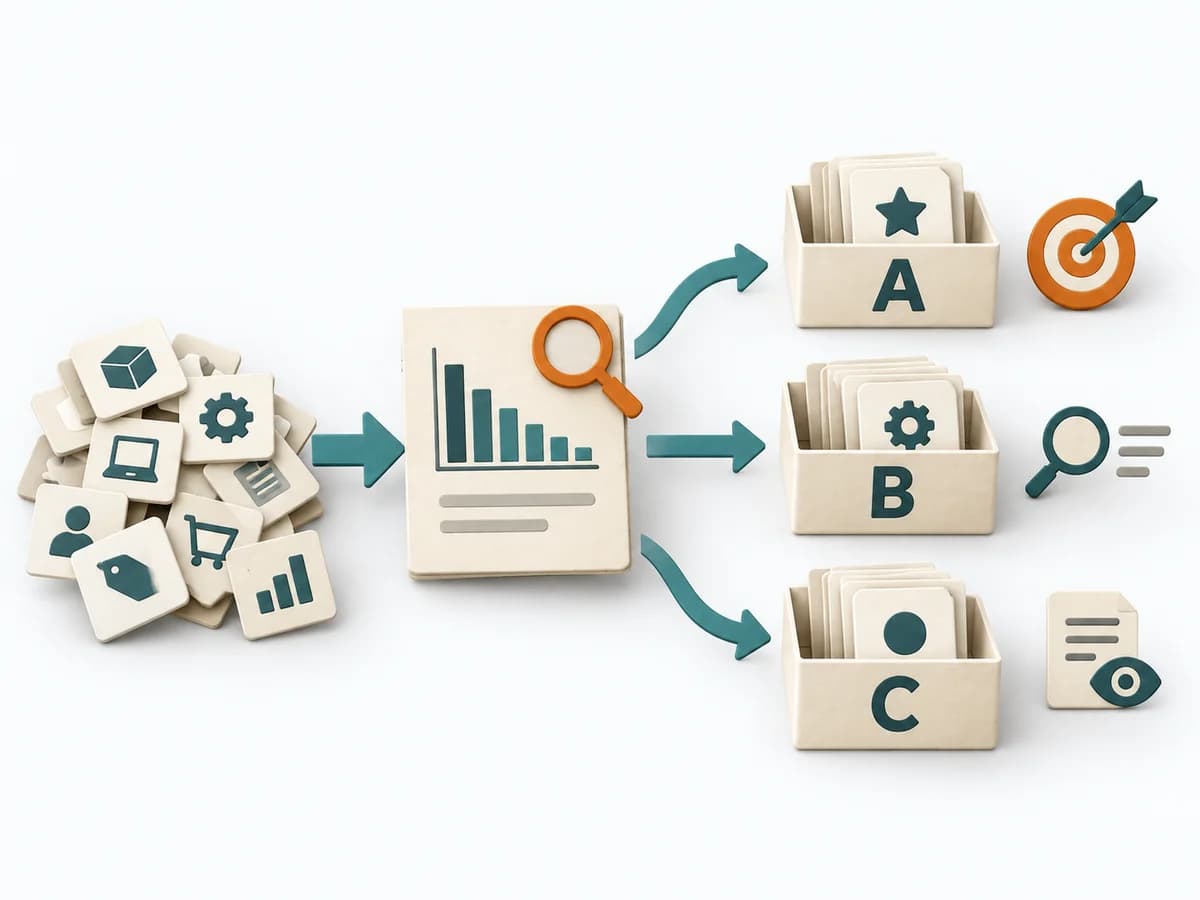 Operations ABC Analysis | 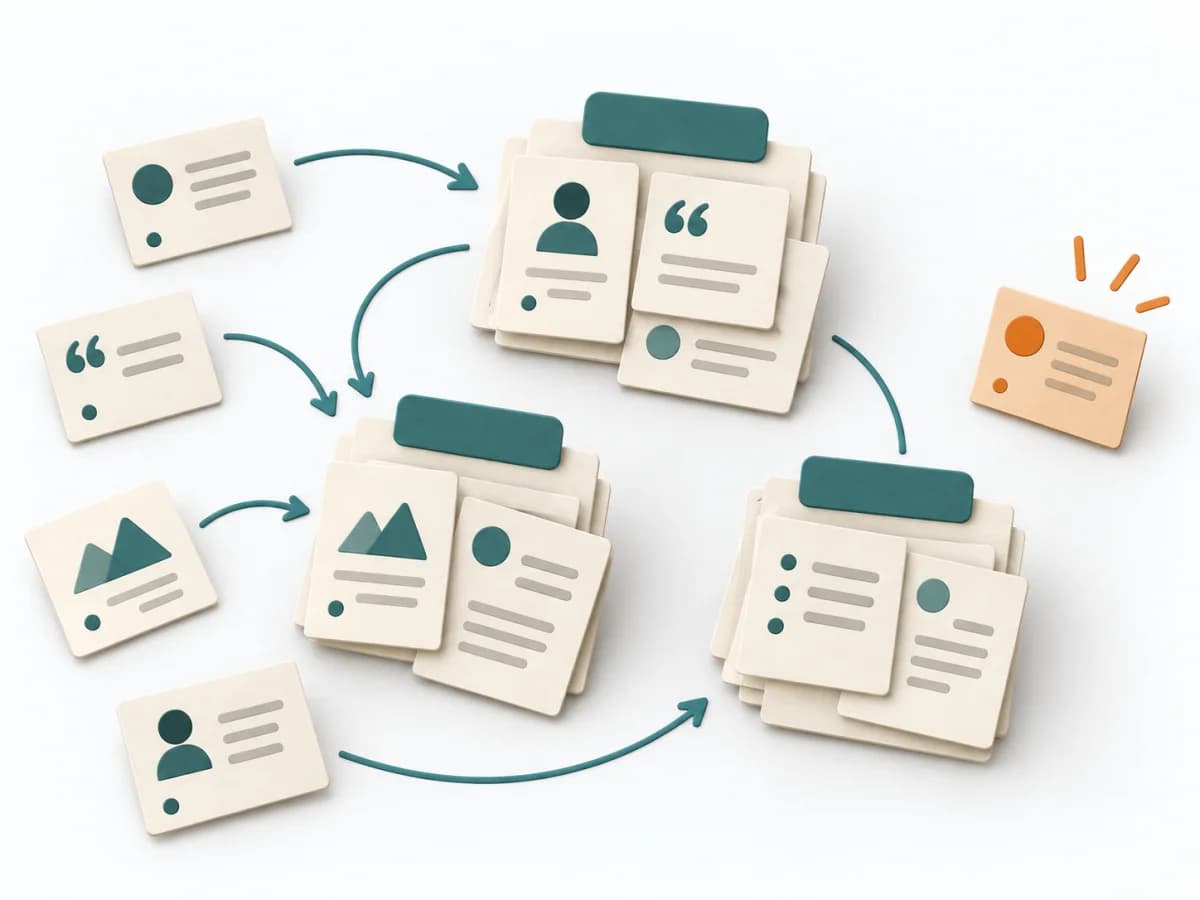 UX Research Affinity Diagramming |  Operations 5 Whys | 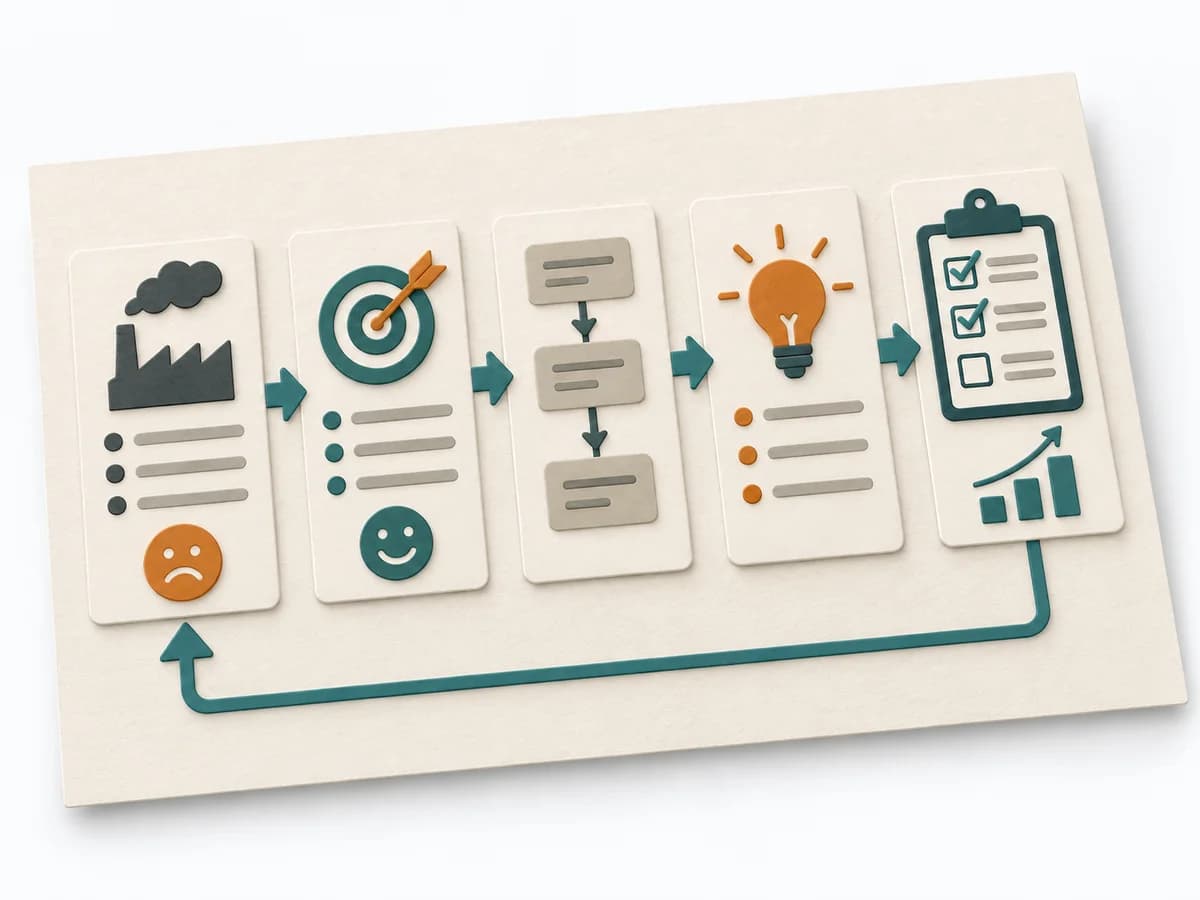 Operations A3 Problem Solving |
|---|---|---|---|---|
Purposedifferent | With many similar objects of differing economic significance, the method prioritizes effort by effect. It separates what needs regular steering from what rarely needs attention. | When research notes, feedback, or observations sit unconnected side by side, affinity diagramming sorts the raw material into solid themes. Many individual points turn into patterns that make decisions and opportunities clearer. | For a single, hard-to-explain deviation, the method exposes the causal chain behind the visible symptom. It keeps the cause open until a controllable condition emerges instead of a mere description. | For a complex deviation with several people involved, the method bundles problem, analysis, and decision onto one page. It creates a shared working space where causes, countermeasures, and follow-up fit together. |
Complexitydifferent | Low | Low | Low | Medium |
Timedifferent | 30-60 min | 45–90 min | 15-30 min | 45-90 min |
Participantsdifferent | 1-5 | 3-10 | 2-6 | 2-5 |
Formatdifferent | Async | Workshop | Workshop | Workshop + async |
Outputdifferent | ABC Classification, Focus Rules, Control List | Theme clusters, Insight statements, Opportunity areas | Root cause notes, Countermeasures | A3 Report, Action Plan, Root Cause Analysis |
Tagsno overlap | PrioritizationOperationsPortfolio | SynthesisQualitativeRoot cause | Root causeIncidentLeanProblem solving | LeanProblem solvingCoachingOperations |