View methods side by side.
Choose up to four methods. Add them using the search and share the comparison by copying its link.
| Criterion | 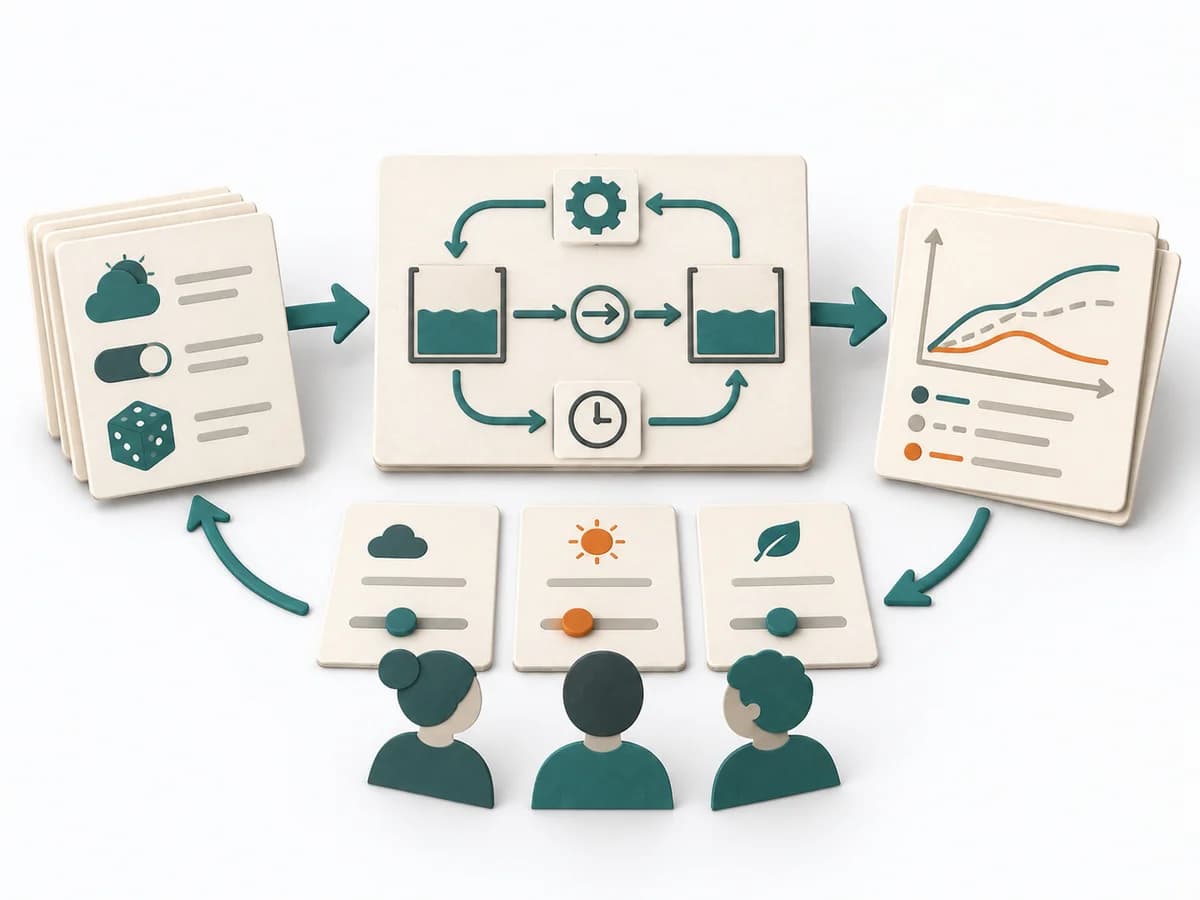 Systems Thinking System Dynamics Simulation |  Operations ALPEN Method |  Operations Pomodoro Technique | 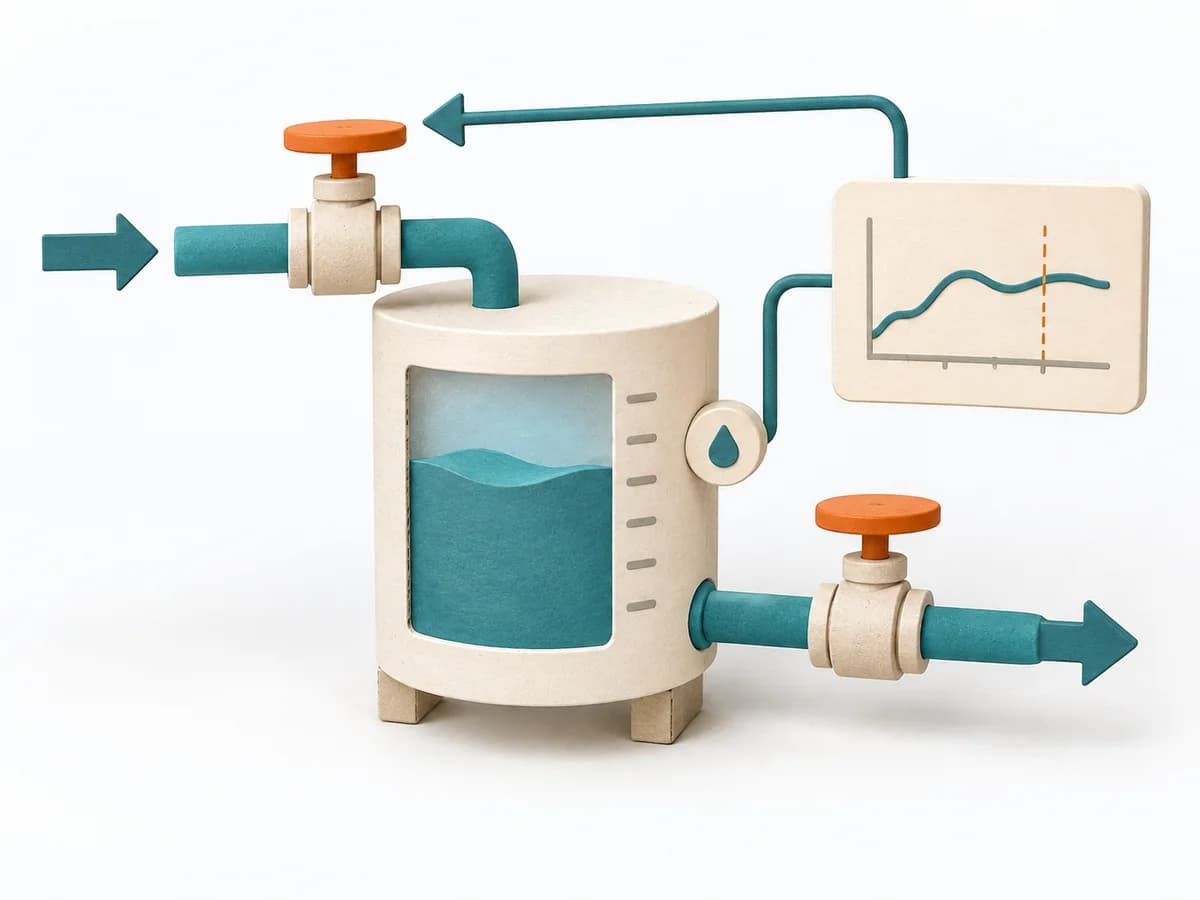 Systems Thinking Stock and Flow Diagram |
|---|---|---|---|---|
Purposedifferent | System Dynamics Simulation makes assumptions about time, delay, and feedback testable through experiments. It draws relationships, patterns, and feedback loops. The result is captured as a simulation model and scenario reports. | With an overloaded day full of too many tasks, a realistic picture of the day emerges. The method connects estimating, deciding, and buffer thinking so planning fits available energy and time. | For easily distracted solo work, the method sets clear time boundaries for concentrated work. It protects attention when large tasks would otherwise fall apart into small avoidance moves. | A Stock and Flow Diagram shows how stocks, inflows, and outflows shape a system over time. It is especially suited when growth, delays, or capacity limits determine the dynamics. |
Complexitydifferent | High | Low | Low | High |
Timedifferent | Mehrere Tage bis Wochen | 10-20 min daily | 25 min Zyklen | 2-6 h |
Participantsdifferent | 1-5 Modellierende, Stakeholder asynchron | 1 | 1 | 1-6 |
Formatdifferent | Async | Async | Async | Workshop + async |
Outputdifferent | Simulation Model, Scenario Reports | Daily Plan, Time Estimates, Review Notes | Focus Sessions, Task Progress, Interruption Notes | Stock and Flow Model, Dynamics Notes, Simulation Hypotheses |
Tagsno overlap | Systems thinkingDynamicsSimulationAnalysis | PlanningTime managementProductivityOperations | FocusTime managementProductivityExecution | DynamicsSimulationFeedbackSystems thinking |