View methods side by side.
Choose up to four methods. Add them using the search and share the comparison by copying its link.
| Criterion | 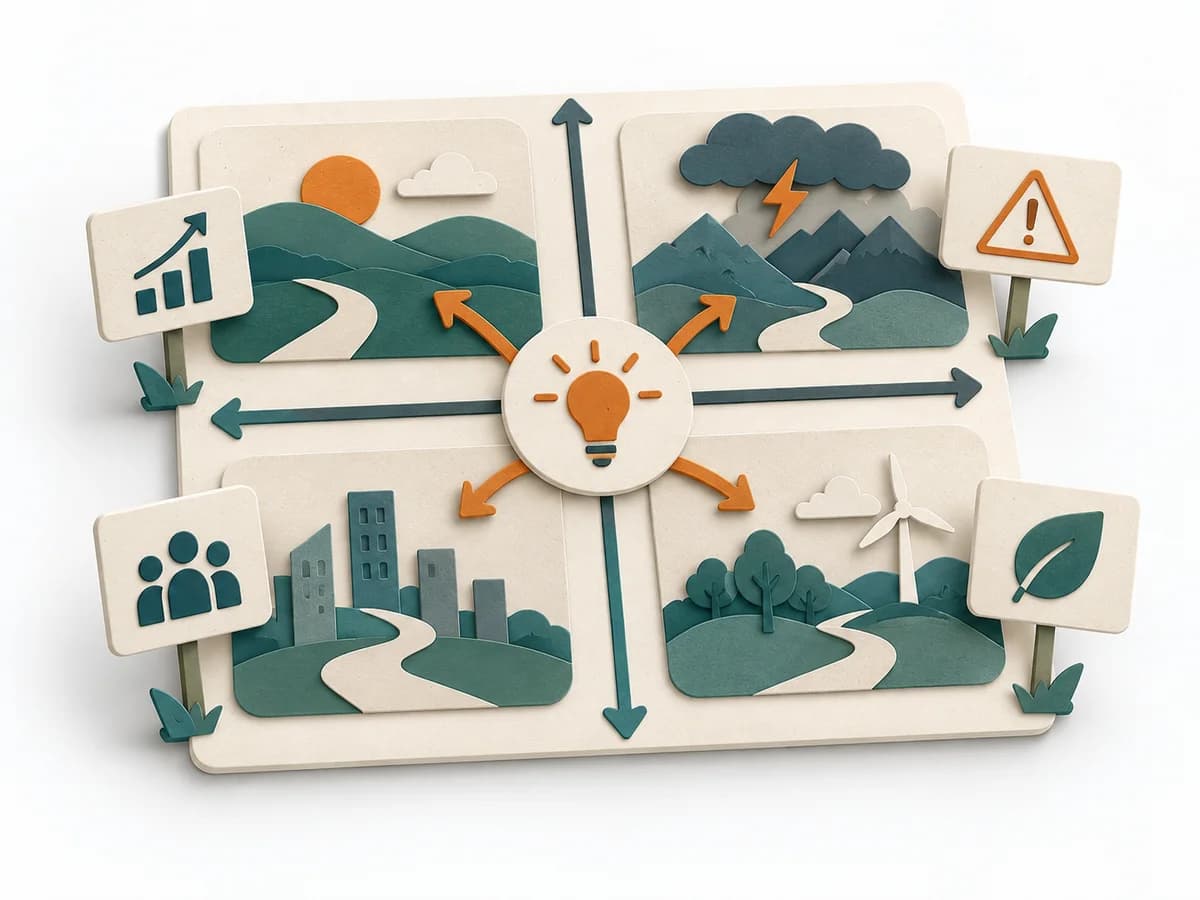 Business Strategy Scenario Planning | 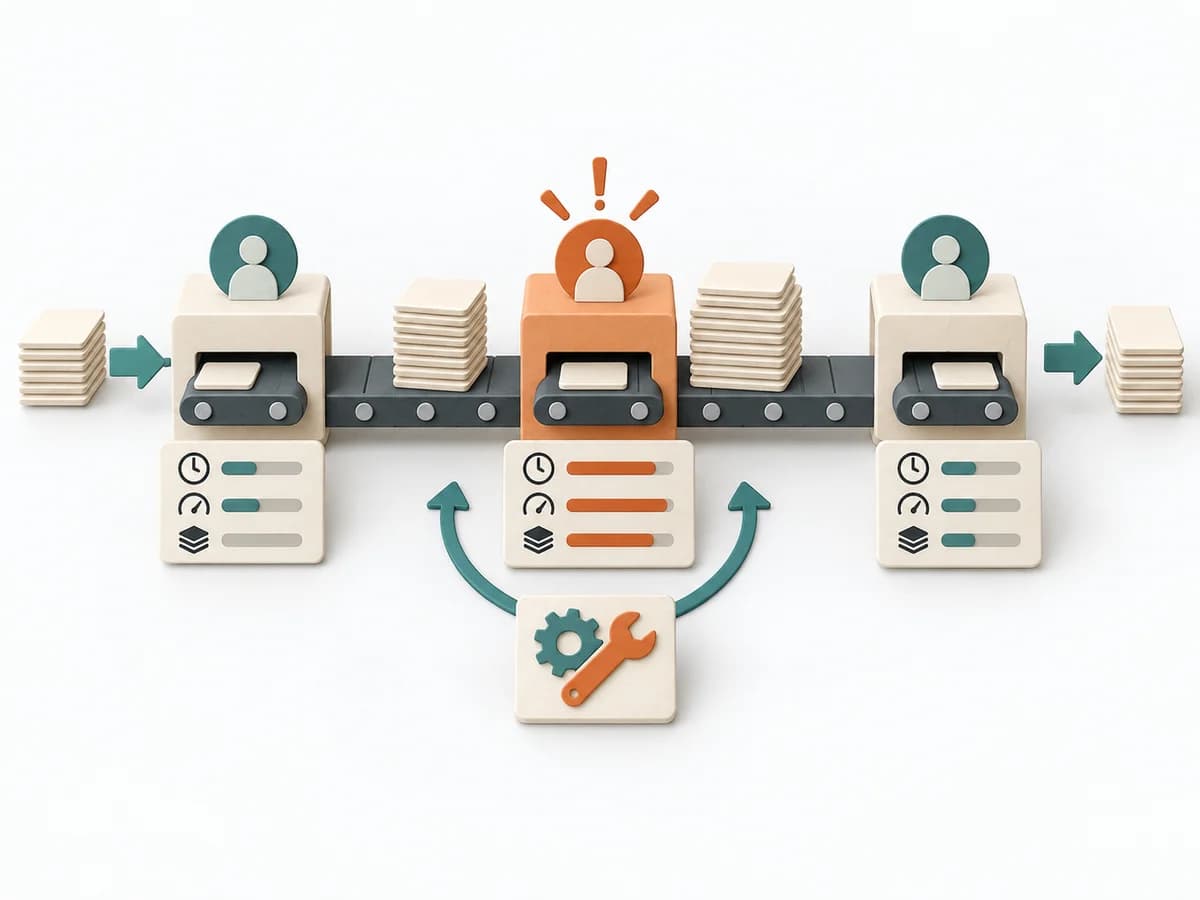 Operations Bottleneck Analysis |  Facilitation Alignment Mapping | 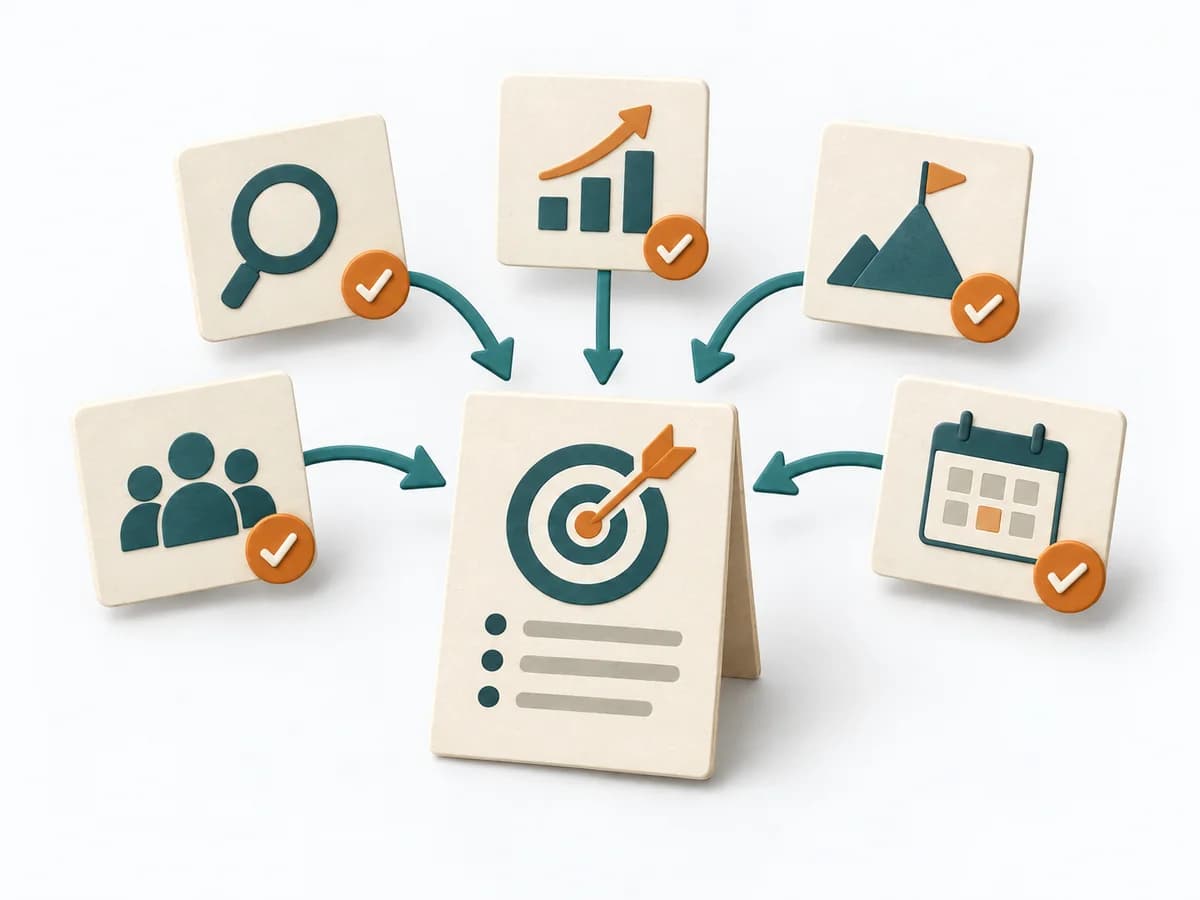 Product Strategy SMART Goals |
|---|---|---|---|---|
Purposedifferent | Scenario Planning opens the view to several plausible futures instead of a single forecast. The method protects strategies from depending on too narrow an expected path. | For a flow that backs up at one point, the method looks for the capacity limit with the greatest leverage. It explains why extra effort elsewhere barely improves throughput. | When several people work toward one goal but hold different mental maps, Alignment Mapping makes the discrepancies visible. It arranges goals, assumptions, and priorities so shared direction becomes verifiable. | When goals are formulated too generally, it brings measurability, direction, and timing into shape. It prevents intentions from staying without clear verification. |
Complexitydifferent | High | Medium | Medium | Low |
Timedifferent | 0.5-2 Tage | 1-3 h | 1-2 h | 15-30 min |
Participantsdifferent | 4-12 | 3-8 | 4-12 | 1-8 |
Formatdifferent | Workshop | Workshop + async | Workshop | Workshop + async |
Outputdifferent | Scenario Set, Strategic Implications, Robust Options | Bottleneck Map, Flow Metrics, Improvement Options, Follow-up Measures | Alignment Map, Open Issues, Decision Questions | SMART Goal, Measurement Note, Deadline |
Tagsno overlap | StrategyUncertaintyPlanning | FlowMeasurementConstraints | AlignmentStakeholdersStrategyFacilitation | GoalsPlanningMeasurementAlignment |