View methods side by side.
Choose up to four methods. Add them using the search and share the comparison by copying its link.
| Criterion | 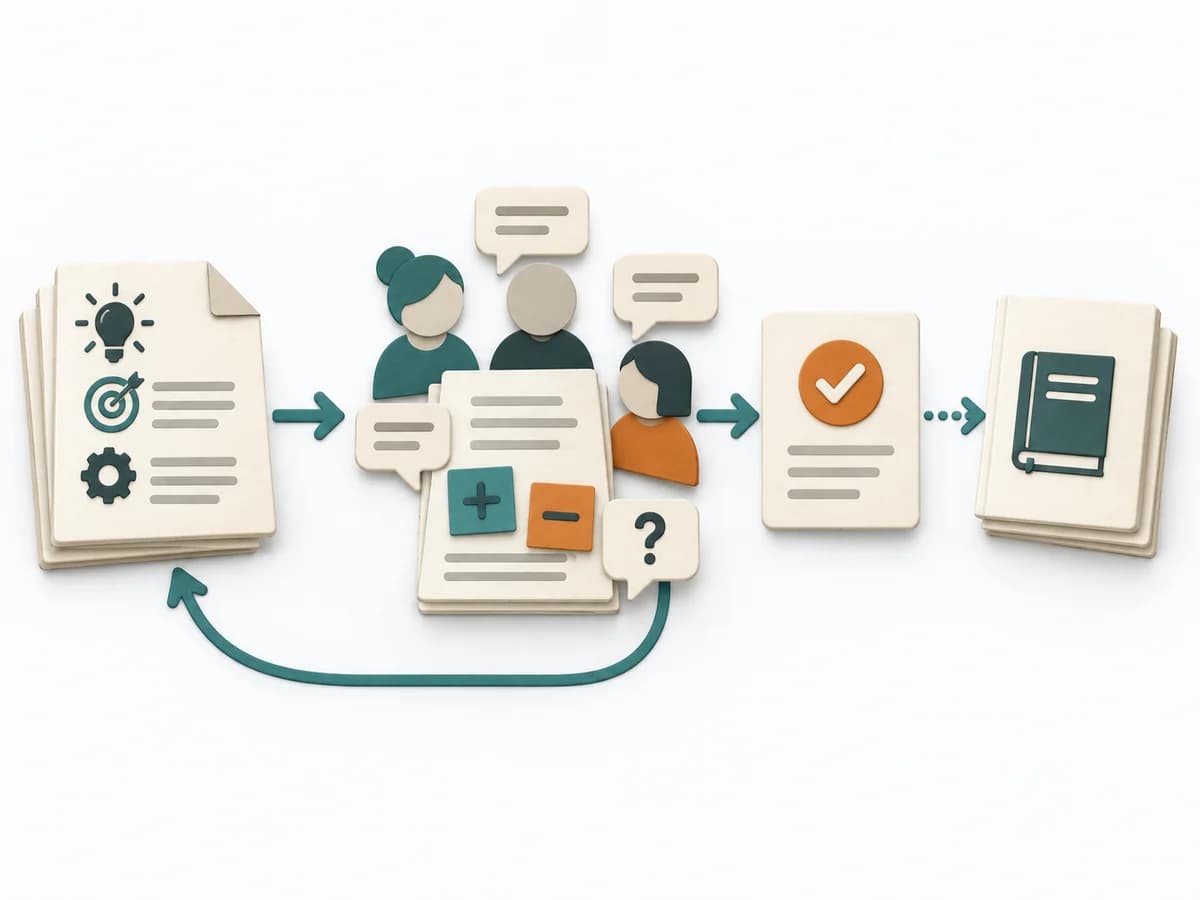 Architecture Request for Comments | 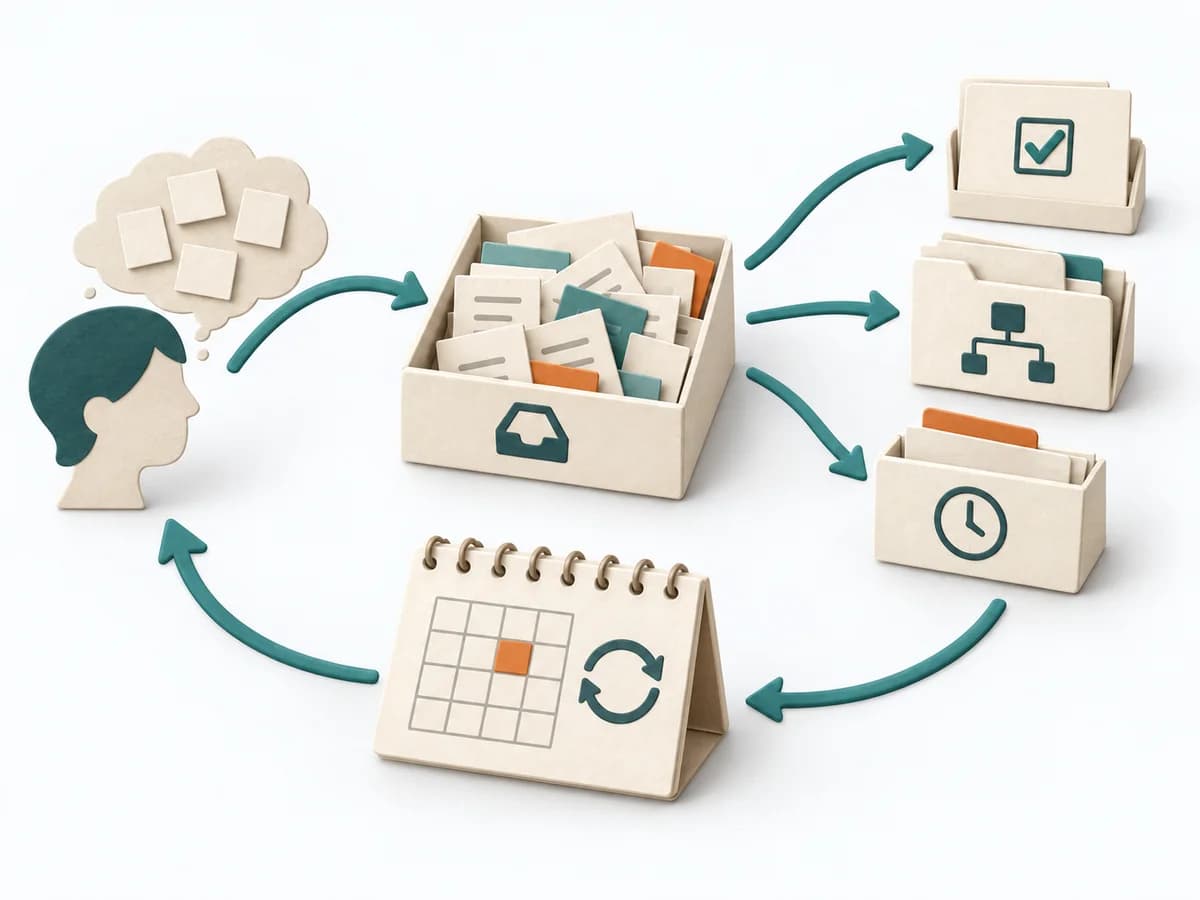 Operations Getting Things Done |  Operations Pomodoro Technique |  Operations Time Blocking |
|---|---|---|---|---|
Purposedifferent | An RFC clarifies architecture context, options, and consequences. It structures technical context, alternatives, tradeoffs, open questions, and review feedback, and captures the result as an RFC document, reviewer comments, and a decision rationale. | With many open commitments and ideas in daily life, a reliable external storage system emerges. The method relieves the mind so priority and context don't have to compete in memory. | For easily distracted solo work, the method sets clear time boundaries for concentrated work. It protects attention when large tasks would otherwise fall apart into small avoidance moves. | With a calendar that grows on request, the method makes available time explicit again. It combines appointments, focus work, and buffer into a more realistic day structure. |
Complexitydifferent | Medium | Medium | Low | Low |
Timedifferent | 1-3 Wochen vom Draft bis zur Entscheidung | 1-2 h Setup, laufend | 25 min Zyklen | 15-30 min Planung, laufend |
Participantsdifferent | 3-20 Reviewer | 1 | 1 | 1 |
Formatsame | Async | Async | Async | Async |
Outputdifferent | RFC document, Reviewer comments, Decision rationale, Follow-up ADR or tickets | Action Lists, Project List, Review Routine | Focus Sessions, Task Progress, Interruption Notes | Blocked Calendar, Capacity View, Focus Plan |
Tagsno overlap | ArchitectureDecisionAsyncGovernance | ProductivityPlanningTasksExecution | FocusTime managementProductivityExecution | PlanningTime managementFocus |