View methods side by side.
Choose up to four methods. Add them using the search and share the comparison by copying its link.
| Criterion | 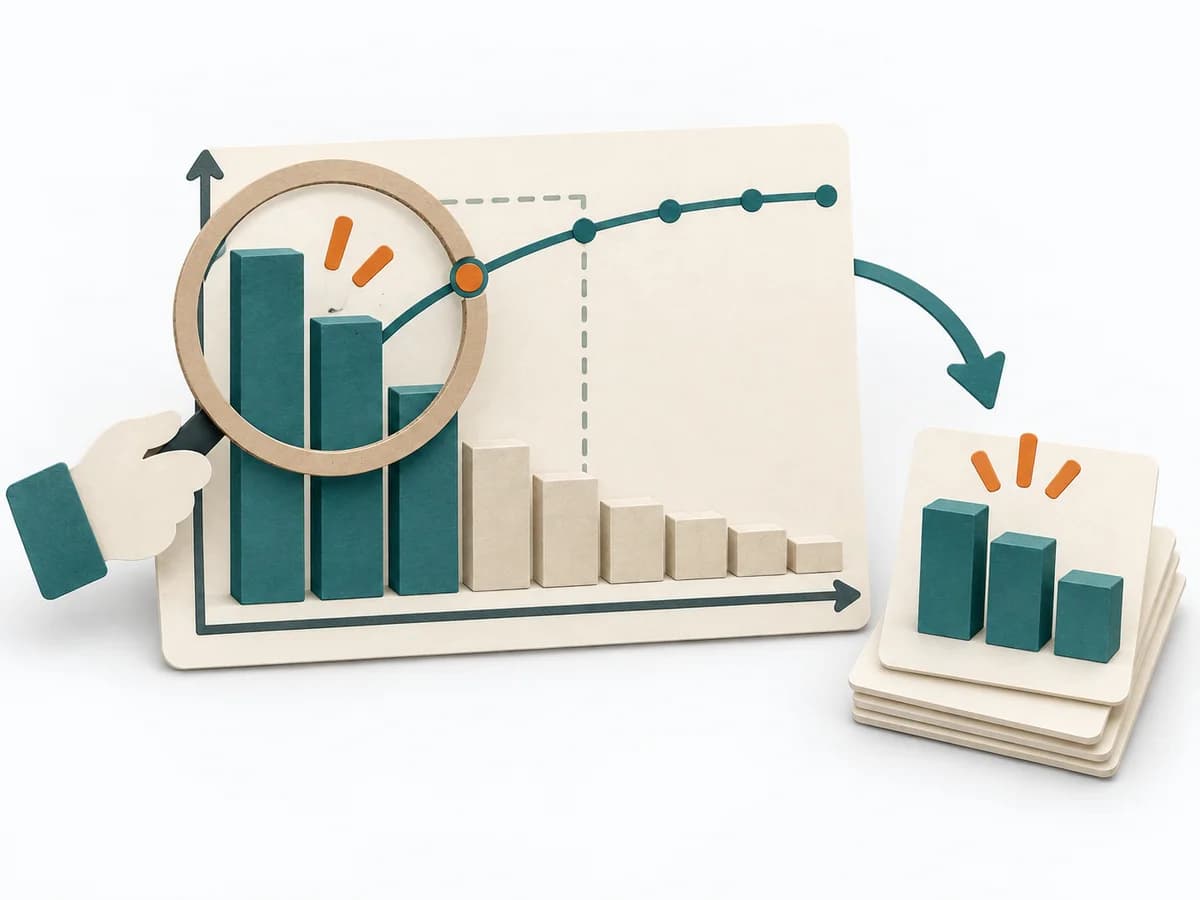 Decision Making Pareto Analysis | 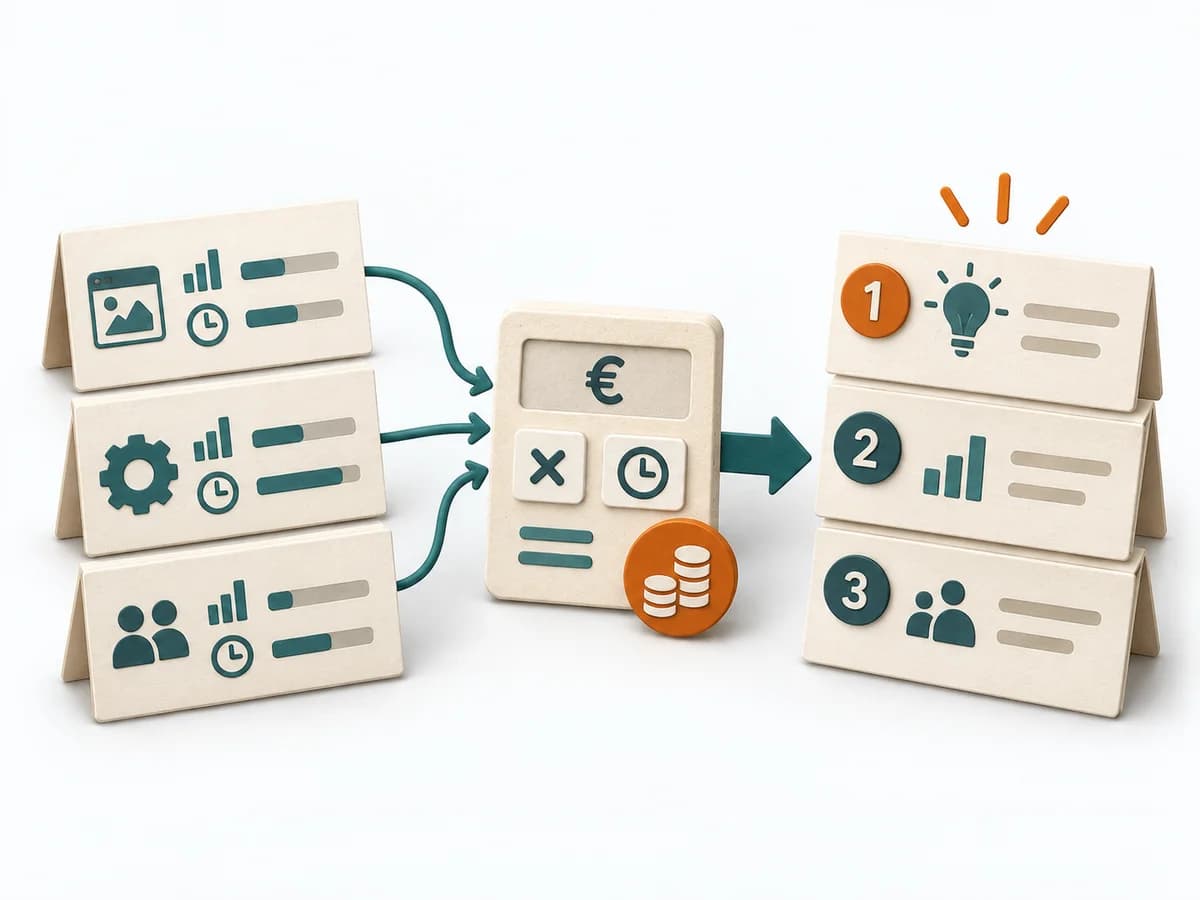 Delivery Cost of Delay |  Operations Eat the Frog | 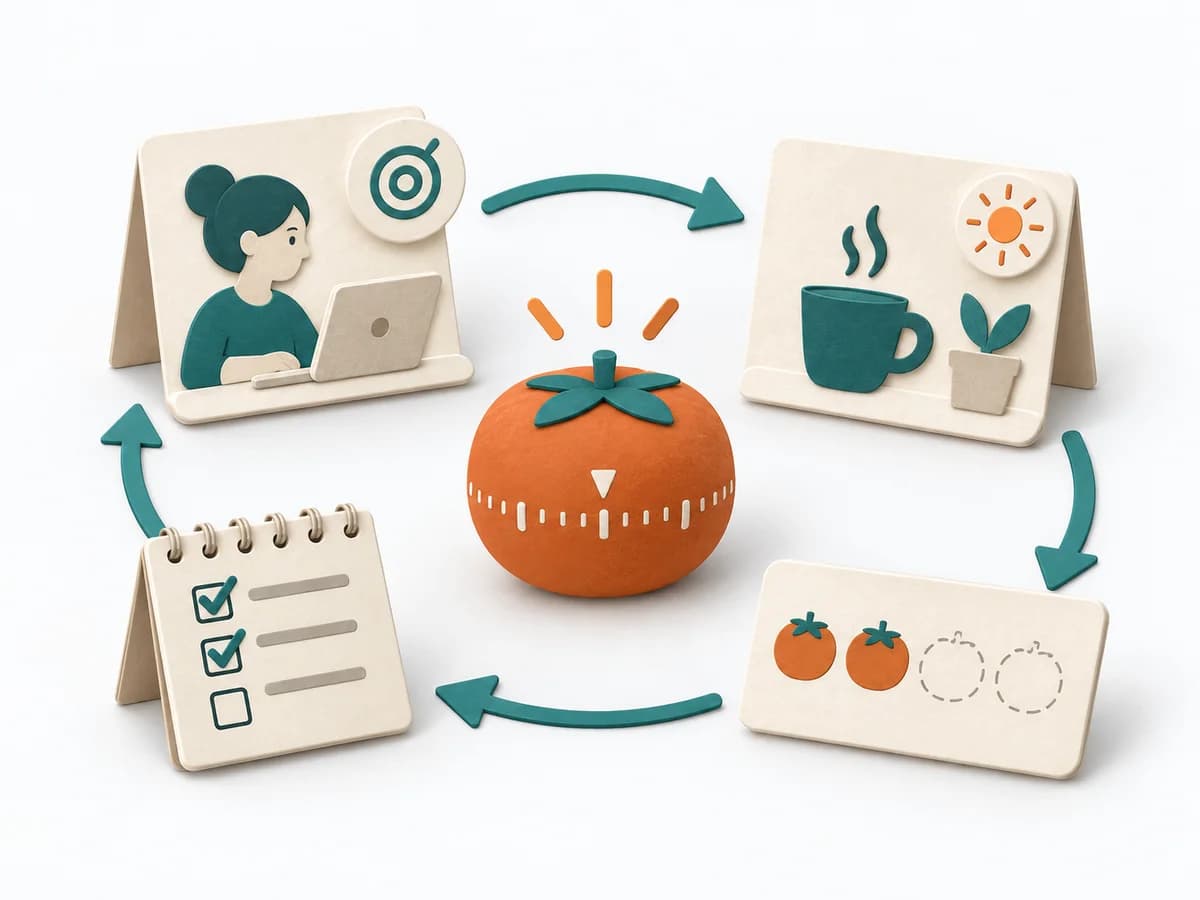 Operations Pomodoro Technique |
|---|---|---|---|---|
Purposedifferent | In many problem situations, effect is distributed unequally across many causes. A Pareto Analysis separates the few drivers with high leverage from the long remainder and focuses attention on what measurably moves the needle. | Helps clarify scope, order, and delivery flow in concrete terms. It makes work, constraints, and sequence manageable. The result is captured as a Cost of Delay table and prioritization sequence. | The method protects energy and attention for the task that creates the largest progress and is often postponed. | For easily distracted solo work, the method sets clear time boundaries for concentrated work. It protects attention when large tasks would otherwise fall apart into small avoidance moves. |
Complexitydifferent | Low | High | Low | Low |
Timedifferent | 30-60 min | 90-180 min | 15-90 min daily | 25 min Zyklen |
Participantsdifferent | 1-6 | 3-8 | 1 | 1 |
Formatdifferent | Workshop + async | Workshop | Async | Async |
Outputdifferent | Pareto Chart, Top Causes, Focus List | CoD Table, Prioritization Sequence | Priority Task, Completion Note, Daily Focus | Focus Sessions, Task Progress, Interruption Notes |
Tagsno overlap | PrioritizationQualityFocusRoot cause | PrioritizationDeliveryEconomicsDecision | PrioritizationProductivityFocusExecution | FocusTime managementProductivityExecution |