View methods side by side.
Choose up to four methods. Add them using the search and share the comparison by copying its link.
| Criterion |  Product Discovery Outcome-Driven Innovation |  Systems Thinking Current Reality Tree | 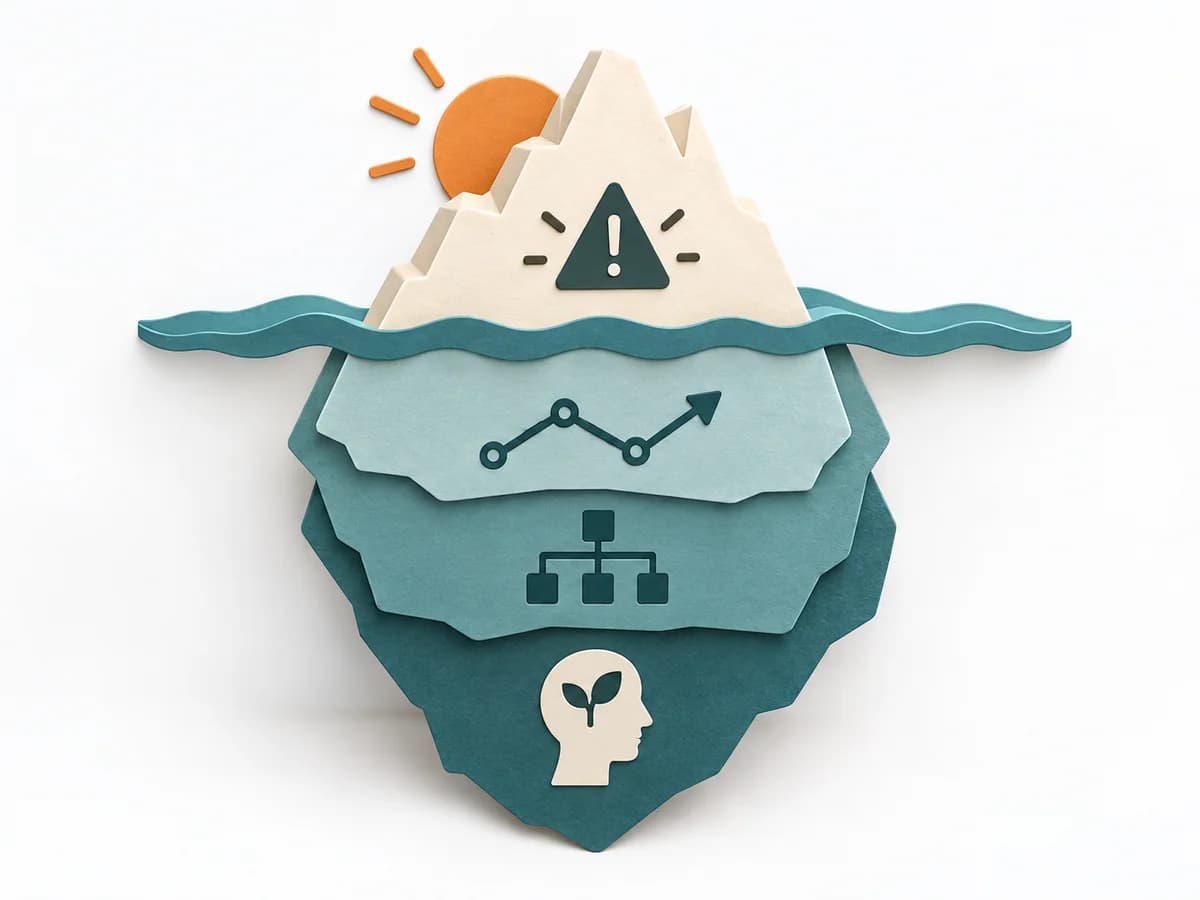 Systems Thinking Iceberg Model | 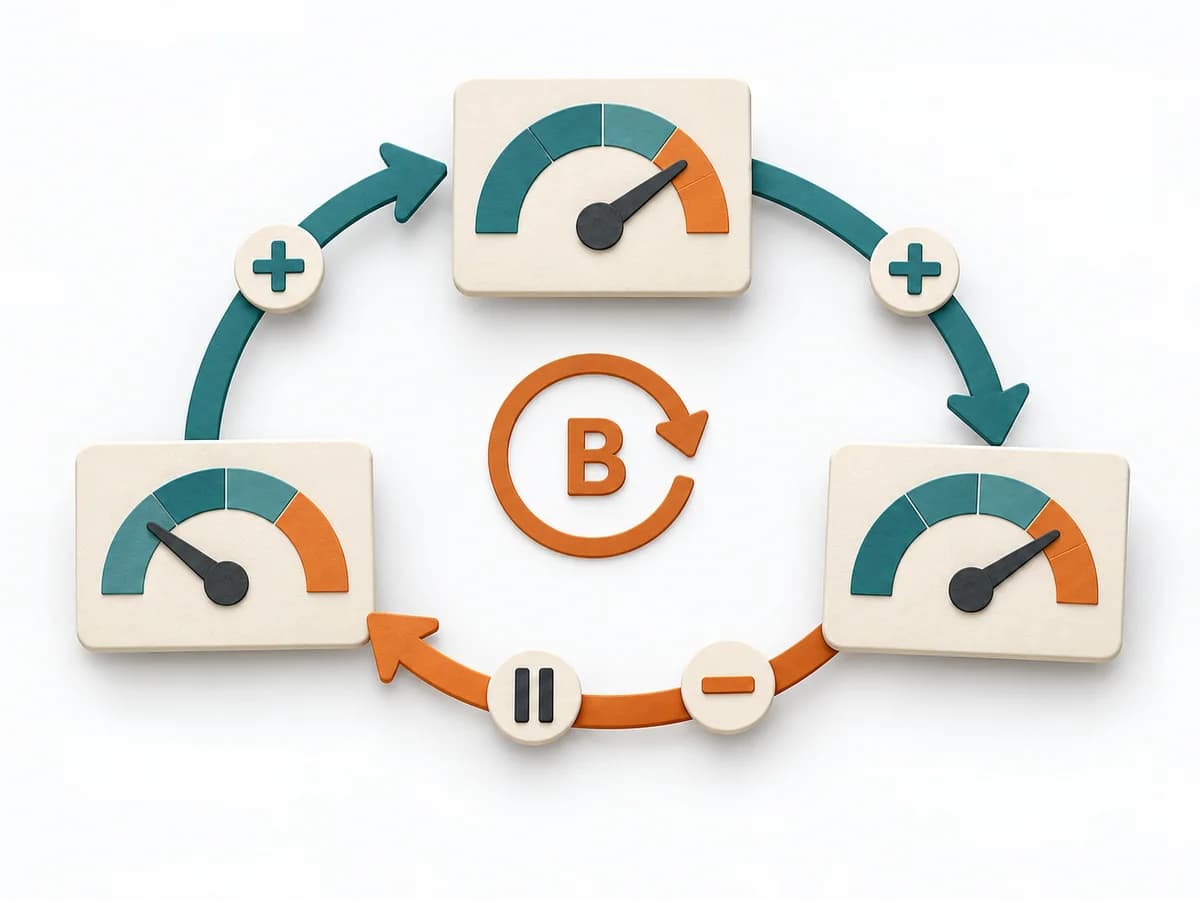 Systems Thinking Causal Loop Diagram |
|---|---|---|---|---|
Purposedifferent | Outcome-Driven Innovation clarifies customer problems, solution opportunities, and evidence. It separates jobs, desired outcomes, importance, satisfaction, and opportunity, and captures results as desired outcome statements, an opportunity landscape, and segments by underserved needs. | A Current Reality Tree condenses many symptoms into a few causal chains. The method makes visible which core problems drive several negative effects at once. | The Iceberg Model separates visible events from patterns, structures, and mental models. This turns a single observation into a deeper understanding of why a problem keeps recurring. | A Causal Loop Diagram makes feedback, reinforcement, and balance in a system legible. It uncovers side effects and self-reinforcement that stay hidden in linear explanations. |
Complexitydifferent | High | High | Low | Medium |
Timedifferent | Mehrere Wochen | 2-6 h | 30-60 min | 1-3 h |
Participantsdifferent | 2-6 researchers plus sample | 3-8 | 2-10 | 2-8 |
Formatdifferent | Workshop + async | Workshop | Workshop + async | Workshop |
Outputdifferent | Desired outcome statements, Opportunity landscape, Segmentation by underserved needs, Innovation hypotheses | Current Reality Tree, Core Problems, Intervention Ideas | Iceberg Worksheet, Pattern Notes, Intervention Ideas | Causal Loop Diagram, Feedback Notes, Leverage Points |
Tagsno overlap | OutcomesInnovationResearchQuantitative | Systems thinkingRoot causeConstraintsCausality | Systems thinkingRoot causePatterns | FeedbackSystems thinkingCausalityDynamics |