View methods side by side.
Choose up to four methods. Add them using the search and share the comparison by copying its link.
| Criterion | 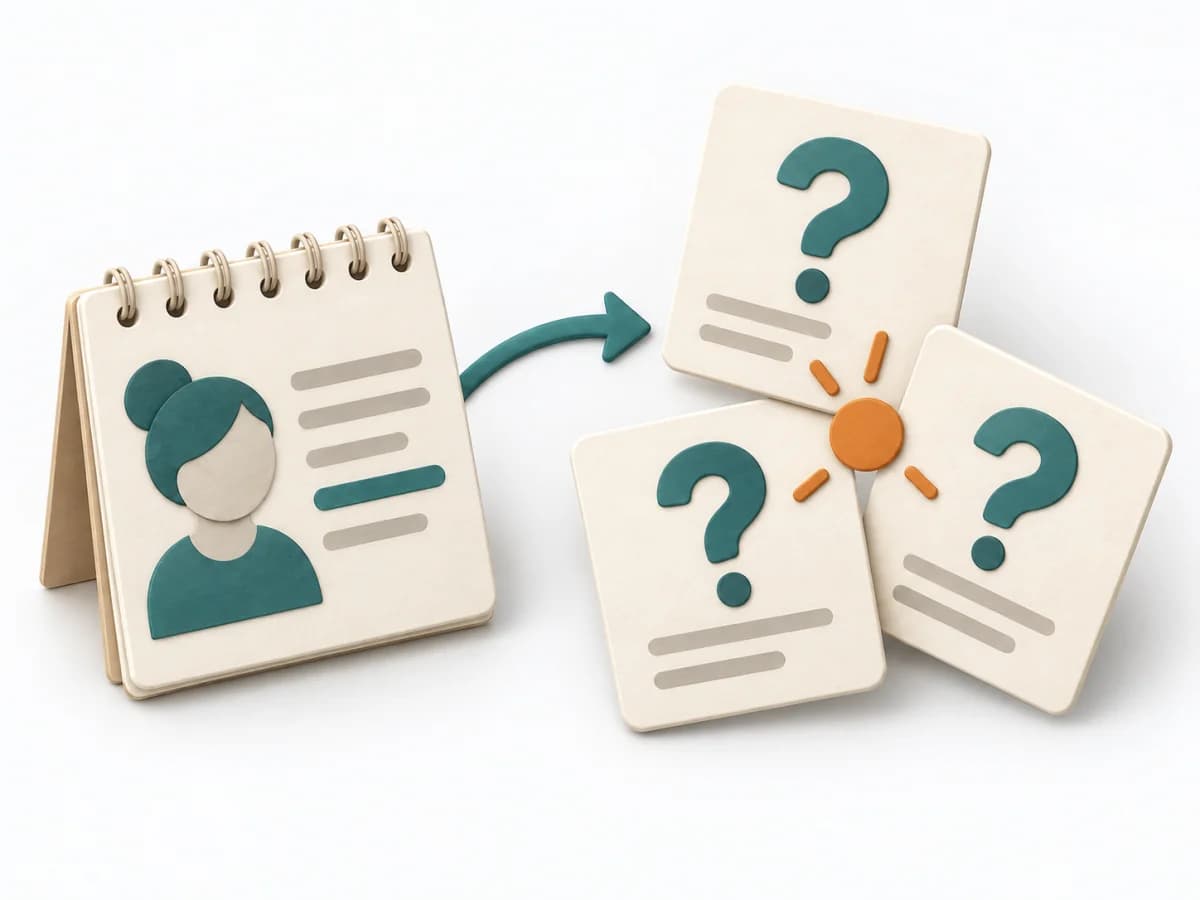 Innovation How Might We |  Systems Thinking Polarity Mapping | 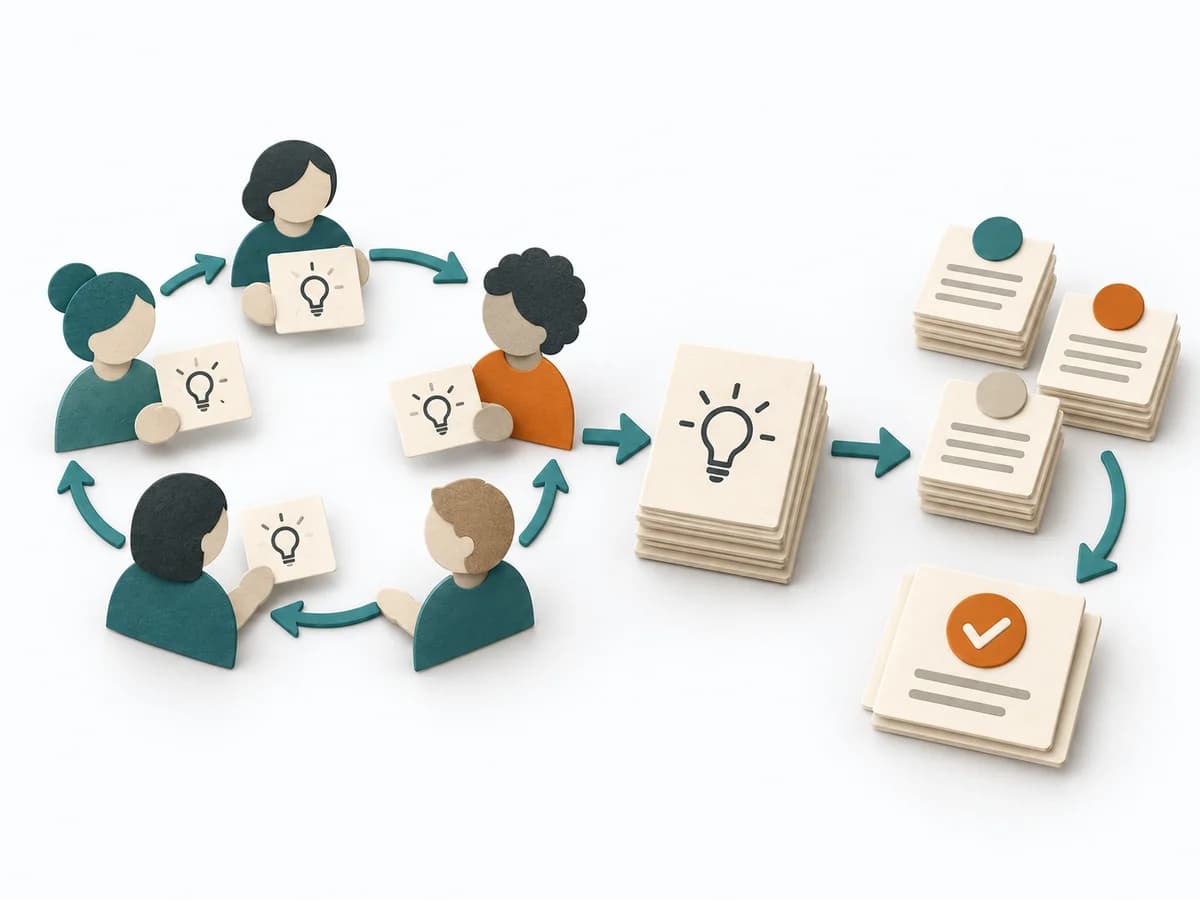 Innovation Round Robin Brainstorming |  Innovation Brainstorming |
|---|---|---|---|---|
Purposedifferent | With a stuck problem carrying many implicit assumptions, the method translates observations into open, workable questions. It sharpens the problem frame without pre-thinking the solution, turning frustration or fuzziness into a search space with clear direction. | Polarity Mapping makes tensions between two opposing poles tangible, such as standardization and adaptation or control and autonomy. The method guards against making apparent either-or decisions prematurely. | With unevenly distributed speaking time, the method brings every person into the contribution one after another. It prevents early voices from setting the direction while still producing a shared idea space. This makes participation plannable and the team's diversity visible. | When a team faces an open question with many obvious directions, the method first creates breadth instead of premature commitment. It separates idea flow from evaluation and makes lines of thought visible, creating a pool for selection and further development. |
Complexitydifferent | Low | Medium | Low | Low |
Timedifferent | 30–45 min | 1-2 h | 20-45 min | 30-60 min |
Participantsdifferent | 1-10 | 3-12 | 4-10 | 4-12 |
Formatdifferent | Workshop + async | Workshop | Workshop | Workshop |
Outputdifferent | HMW Questions, Challenge Framing, Idea Prompts | Polarity Map, Warning Signs, Balance Actions | Idea List, Cluster, Shortlist | Idea pool, Theme clusters, Shortlist |
Tagsno overlap | FramingOpportunityIdeationQuestions | Systems thinkingTradeoffsLeadership | BrainstormingIdeationFacilitationInclusionCreativity | BrainstormingIdeationCreativityWorkshopDivergence |