View methods side by side.
Choose up to four methods. Add them using the search and share the comparison by copying its link.
| Criterion | 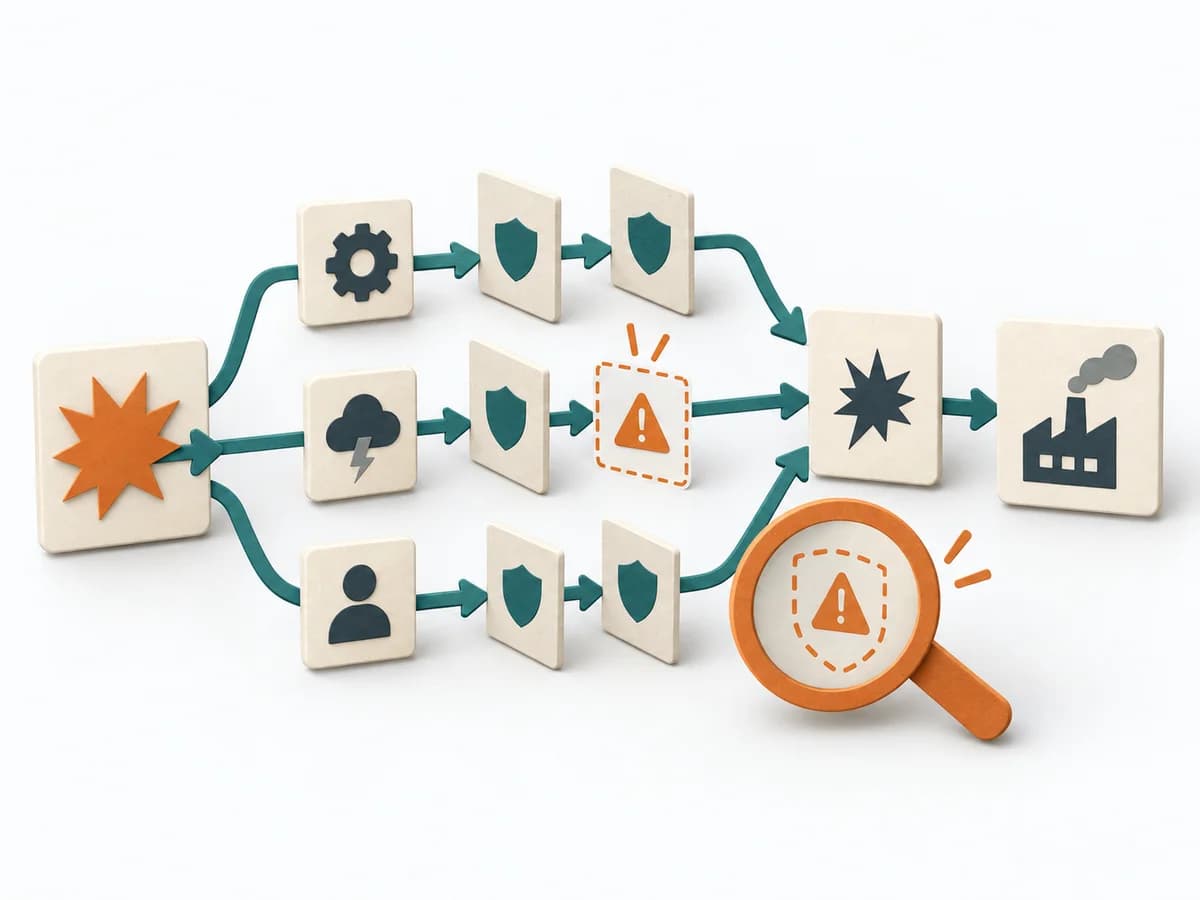 Engineering Failure Scenario Analysis | 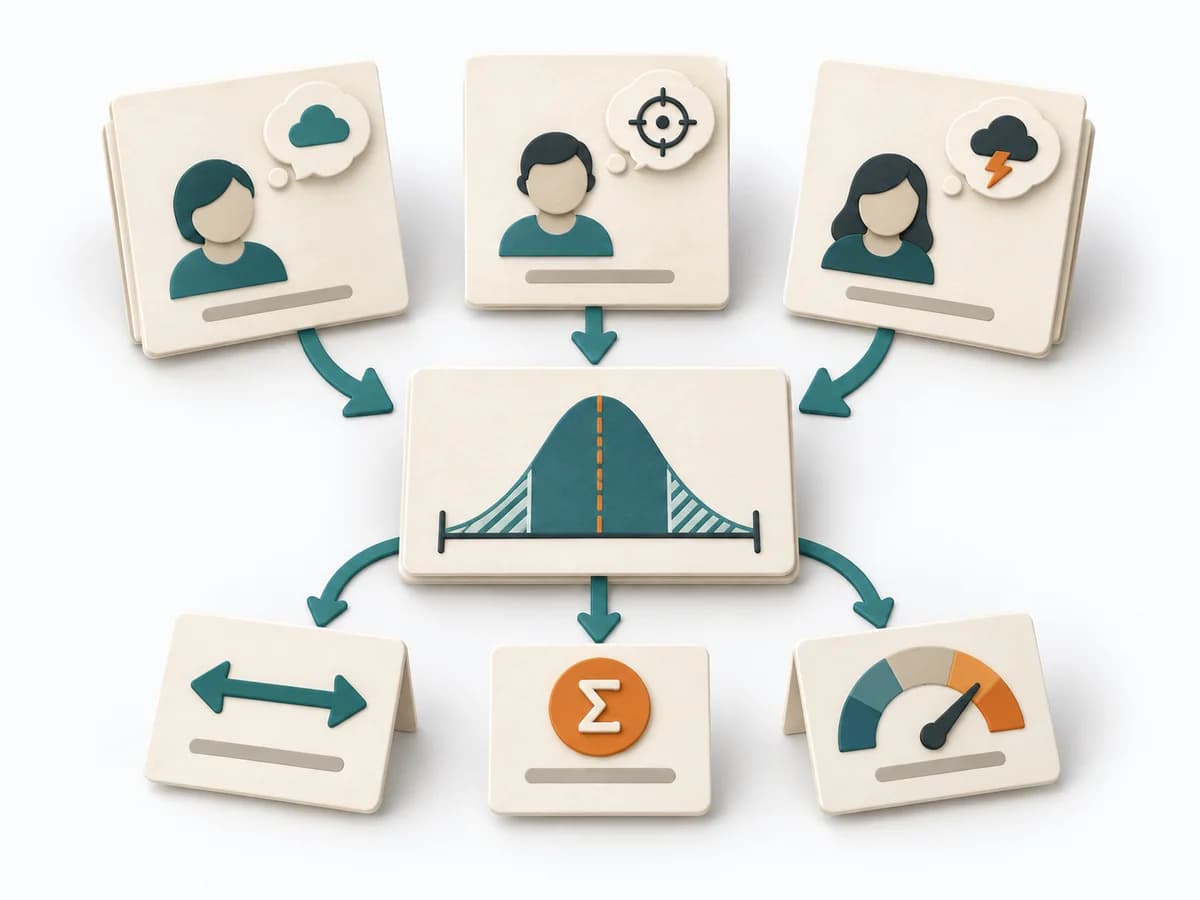 Decision Making Three-Point Estimation | 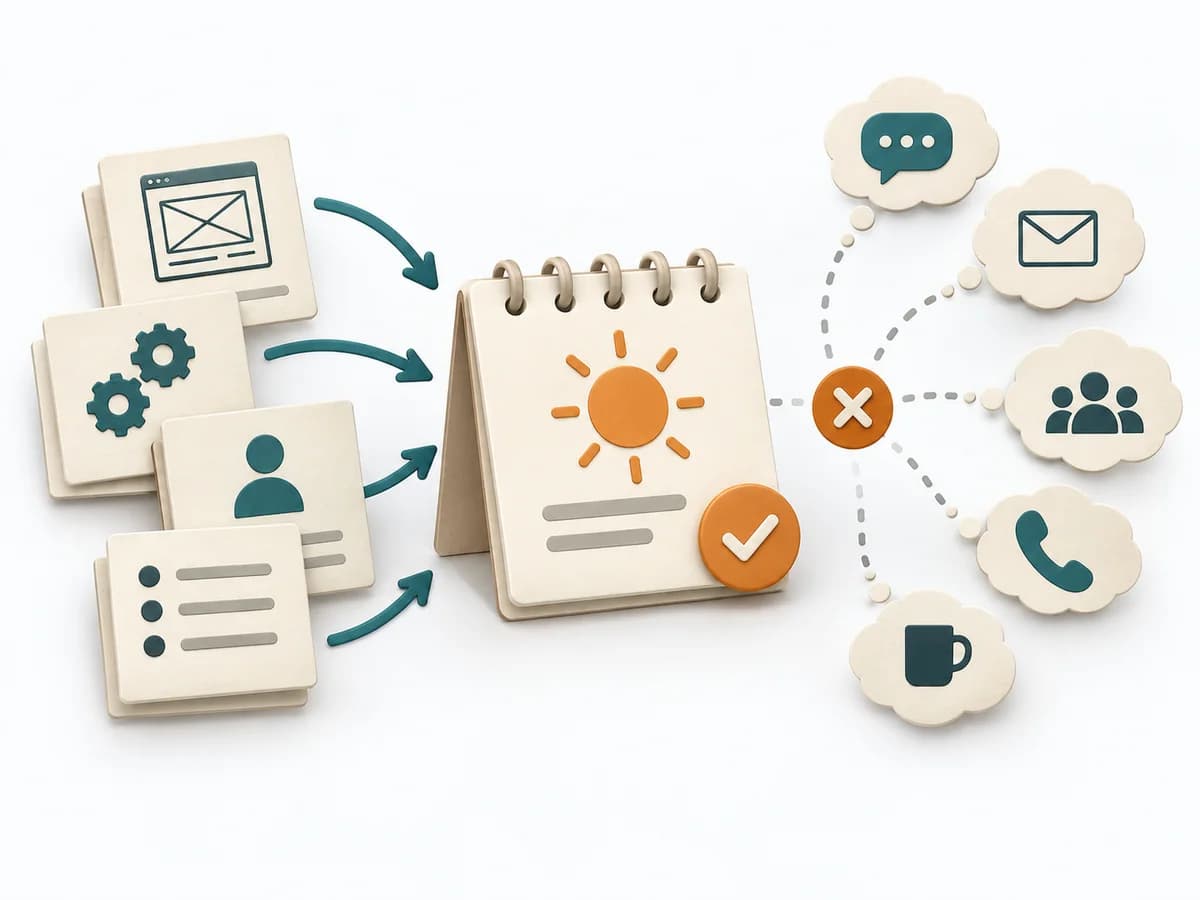 Agile Ideal Days | 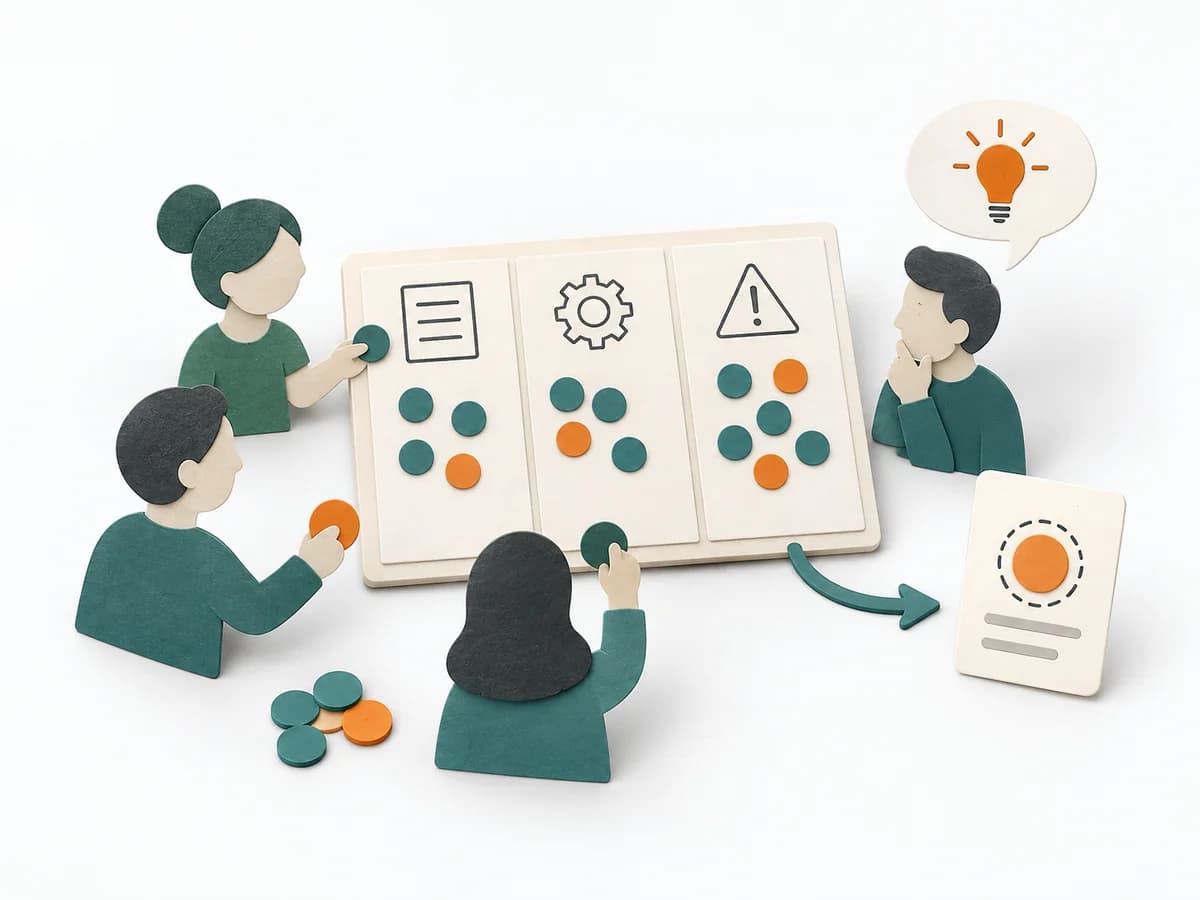 Facilitation Dot Estimation |
|---|---|---|---|---|
Purposedifferent | In critical processes, it is not enough to plan only for the normal case. Failure Scenario Analysis looks at the path into failure and shows which failures, chains, and control gaps cause the most damage. | A single estimate for effort, time, or risk often looks too smooth for the real uncertainty behind it. It separates options, evaluation criteria, and open risks. The result is captured as a Three-Point Estimate, Risk Range, and Assumption Notes. | When effort needs to be thought of as real working time, it offers a simple common denominator for comparison. It sorts work by value, risk, and delivery ability. The result is captured as Ideal Day Estimates, Assumption Notes, and Capacity Caveats. | When size or effort can only be estimated roughly, Dot Estimation condenses the group's experience into a quick range. It turns individual contributions into a visible selection. The result is captured as an Effort Heatmap, Risk Signals, and Discussion Targets. |
Complexitydifferent | Medium | Medium | Low | Low |
Timedifferent | 1-3 h | 10-30 min je Item | 15-60 min | 5-20 min |
Participantsdifferent | 3-8 | 1-8 | 2-9 | 3-20 |
Formatdifferent | Workshop | Workshop + async | Workshop + async | Workshop |
Outputdifferent | Failure Scenarios, Risk Notes, Control Gaps, Test and Response Actions | Three-Point Estimate, Risk Range, Assumption Notes | Ideal Day Estimates, Assumption Notes, Capacity Caveats | Effort Heatmap, Risk Signals, Discussion Targets |
Tagsno overlap | FailureResilienceRisk | EstimationUncertaintyForecasting | EstimationEffortAgile | EstimationEffortRisk |