View methods side by side.
Choose up to four methods. Add them using the search and share the comparison by copying its link.
| Criterion | 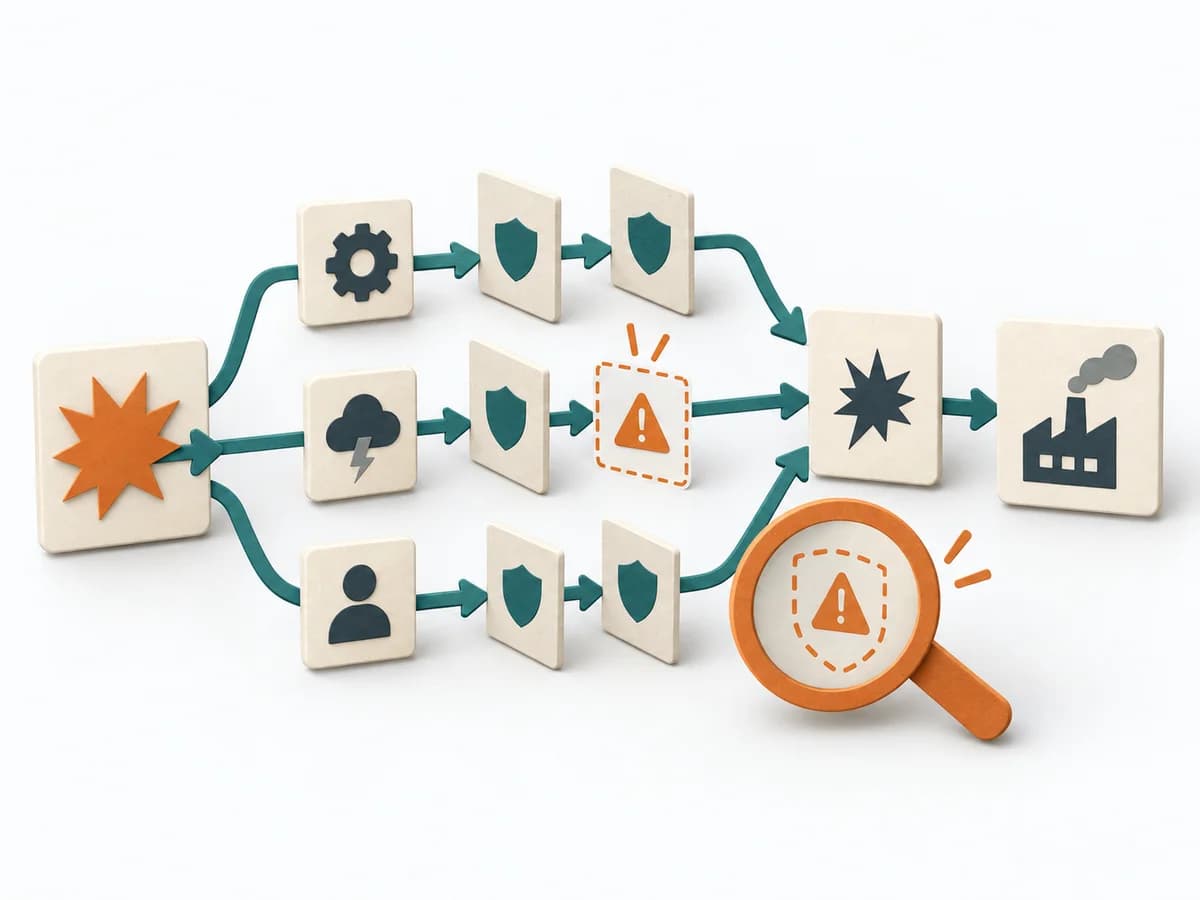 Engineering Failure Scenario Analysis |  Architecture Request for Comments |  Decision Making Constraint Analysis | 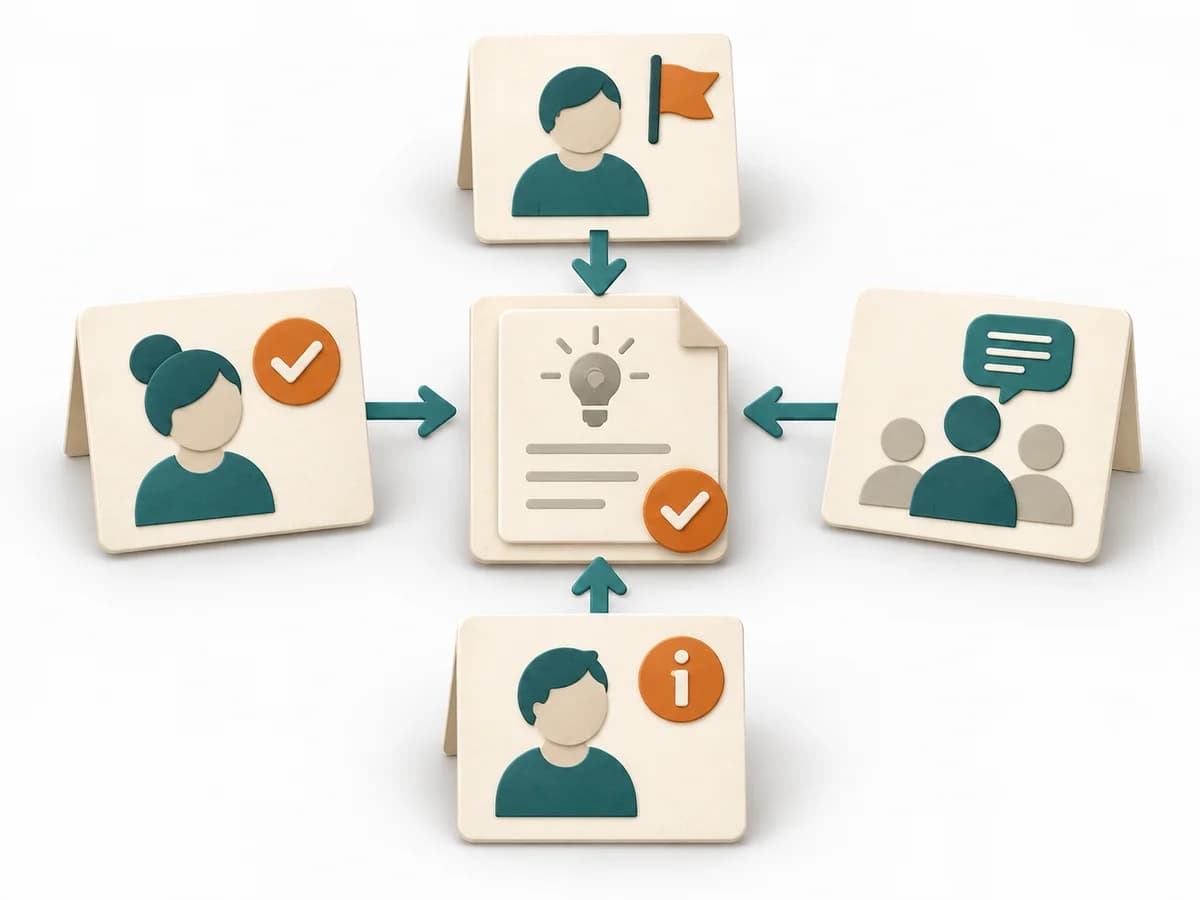 Decision Making DACI |
|---|---|---|---|---|
Purposedifferent | In critical processes, it is not enough to plan only for the normal case. Failure Scenario Analysis looks at the path into failure and shows which failures, chains, and control gaps cause the most damage. | An RFC clarifies architecture context, options, and consequences. It structures technical context, alternatives, tradeoffs, open questions, and review feedback, and captures the result as an RFC document, reviewer comments, and a decision rationale. | When an initiative stalls, the limit often lies not in the idea but in hard or soft boundary conditions. Constraint Analysis separates these limits and shows which of them can actually be shaped. | In cross-functional decisions, responsibilities quickly blur between approval, influence, and execution. DACI arranges these roles so decision pressure, contribution, and information stay cleanly separated. |
Complexitydifferent | Medium | Medium | Low | Low |
Timedifferent | 1-3 h | 1-3 Wochen vom Draft bis zur Entscheidung | 30-90 min | 30-60 min |
Participantsdifferent | 3-8 | 3-20 Reviewer | 2-8 | 2-10 |
Formatdifferent | Workshop | Async | Workshop + async | Workshop + async |
Outputdifferent | Failure Scenarios, Risk Notes, Control Gaps, Test and Response Actions | RFC document, Reviewer comments, Decision rationale, Follow-up ADR or tickets | Constraint List, Hard/Soft Classification, Option Impact Notes, Decision Boundaries | DACI Matrix, Decision Owner, Decision Log |
Tagsno overlap | FailureResilienceRisk | ArchitectureDecisionAsyncGovernance | ConstraintsDecisionPlanningOptions | DecisionRolesGovernanceAlignment |