View methods side by side.
Choose up to four methods. Add them using the search and share the comparison by copying its link.
Selected:Failure Scenario AnalysisRACI MatrixFailure Mode and Effects AnalysisDecision Rights Mapping
| Criterion | 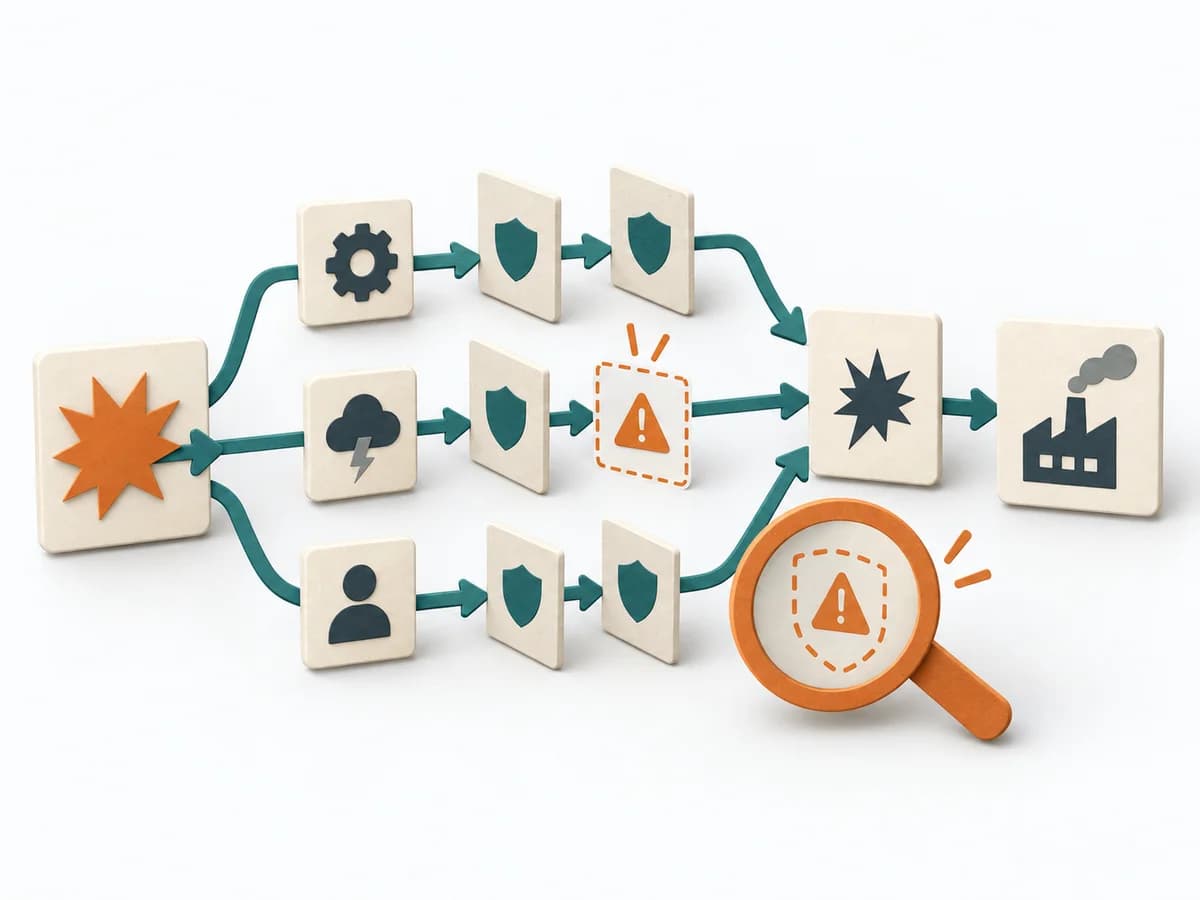 Engineering Failure Scenario Analysis | 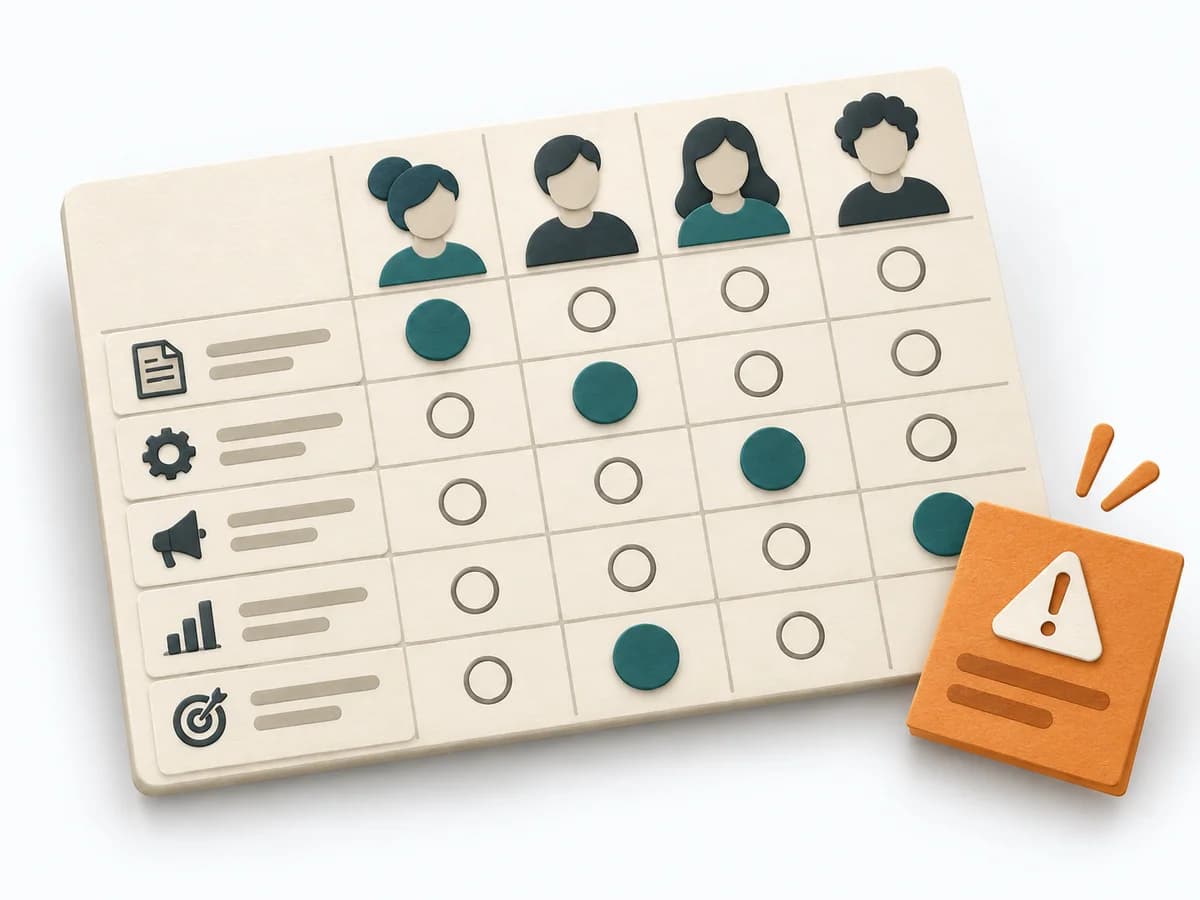 Operations RACI Matrix | 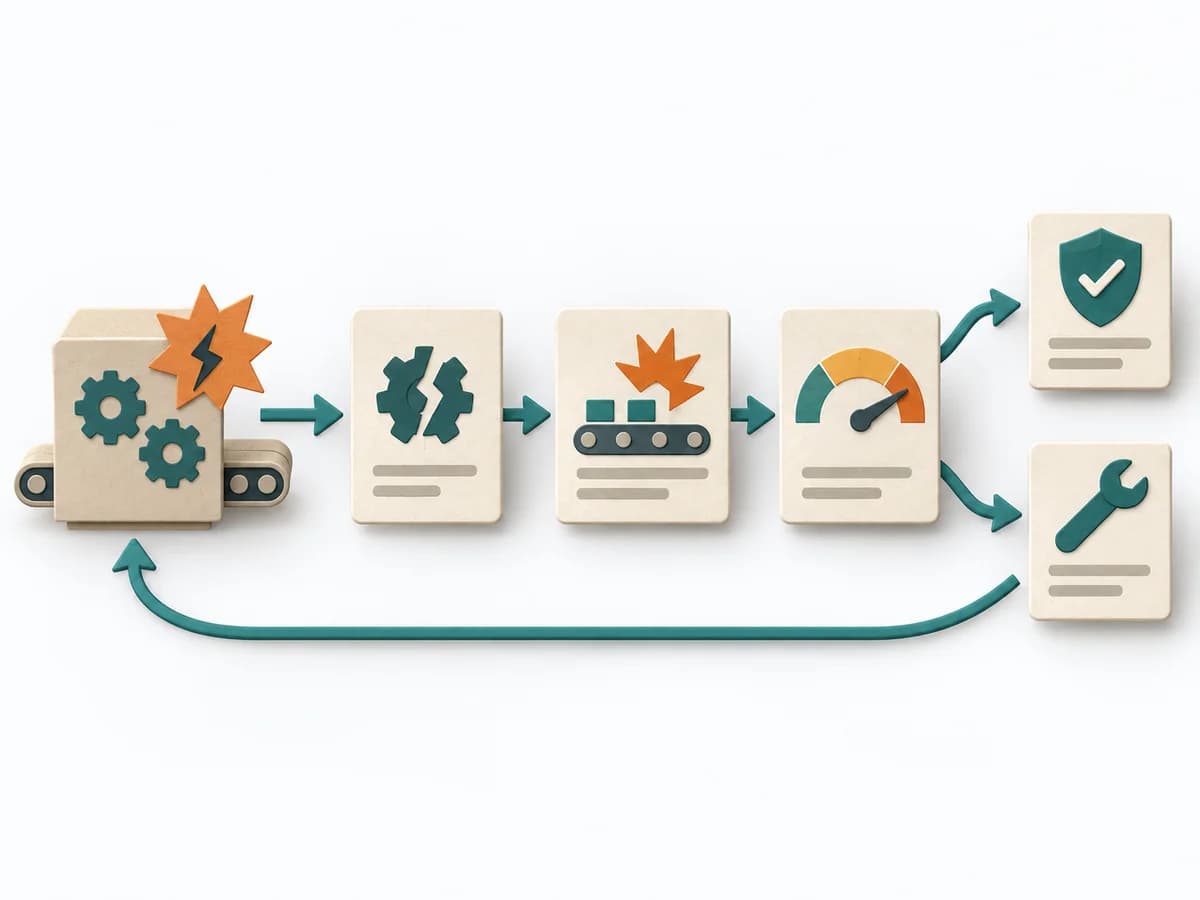 Operations Failure Mode and Effects Analysis | 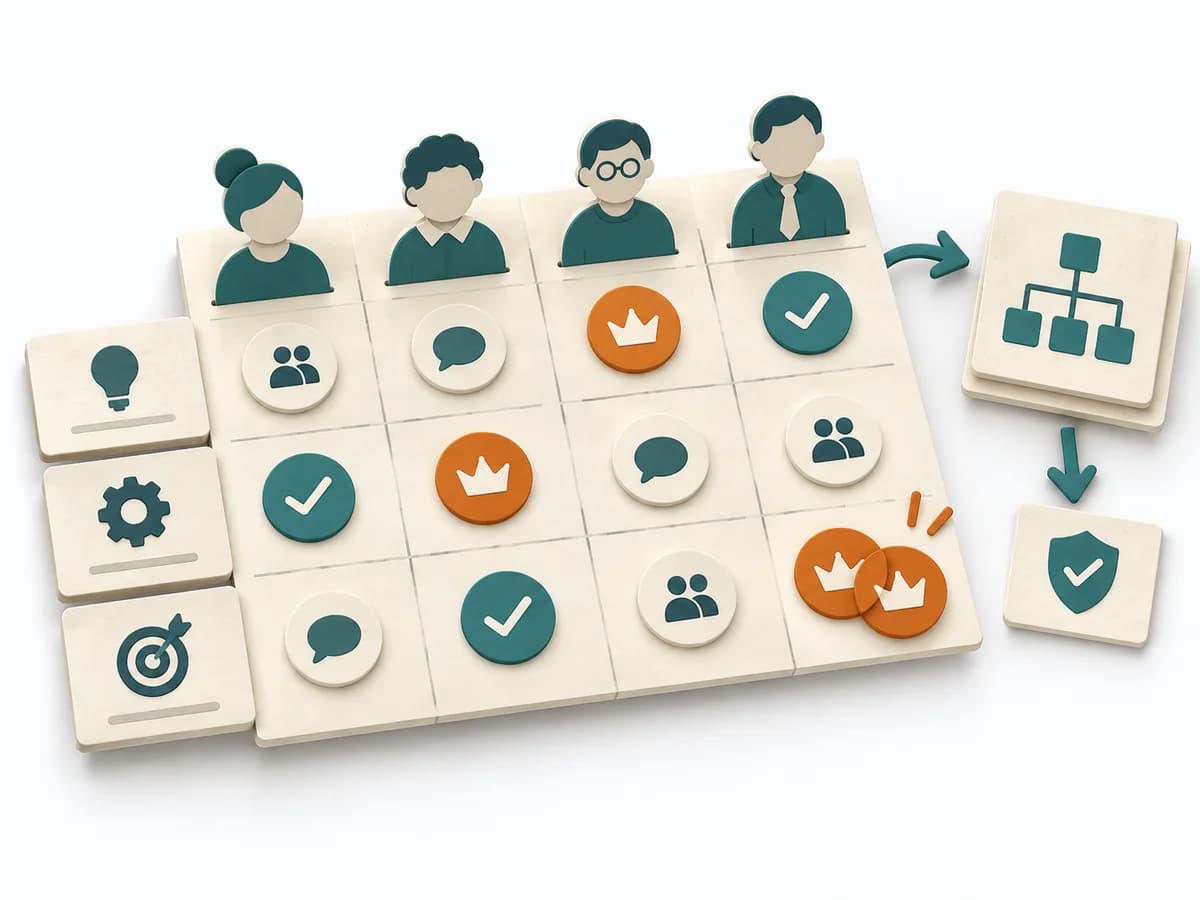 Decision Making Decision Rights Mapping |
|---|---|---|---|---|
Purposedifferent | In critical processes, it is not enough to plan only for the normal case. Failure Scenario Analysis looks at the path into failure and shows which failures, chains, and control gaps cause the most damage. | With unclear responsibilities across several roles or areas, the method creates unambiguous accountability logic. It reduces friction because decision, execution, contribution, and information become separately visible. | For a process, product, or service with noticeable failure risks, the method assesses possible failure modes in advance. It directs attention to combinations of occurrence, effect, and detectability. | In organizations with many stakeholders, it often blurs who actually decides and who is merely consulted. It separates options, evaluation criteria, and open risks. The result is captured as a Decision Rights matrix and an agreement. |
Complexitydifferent | Medium | Low | High | Medium |
Timedifferent | 1-3 h | 45-90 min | 2-6 h | 90-180 min |
Participantsdifferent | 3-8 | 2-8 | 3-10 | 4-12 |
Formatdifferent | Workshop | Workshop + async | Workshop | Workshop |
Outputdifferent | Failure Scenarios, Risk Notes, Control Gaps, Test and Response Actions | RACI Matrix, Responsibility Map, Decision Notes | FMEA Table, Risk Priority, Mitigation Actions | Decision Rights Matrix, Agreement |
Tagsno overlap | FailureResilienceRisk | RolesResponsibilityGovernanceOperations | RiskQualityOperationsRoot cause | DecisionGovernanceAlignmentResponsibility |