View methods side by side.
Choose up to four methods. Add them using the search and share the comparison by copying its link.
| Criterion | 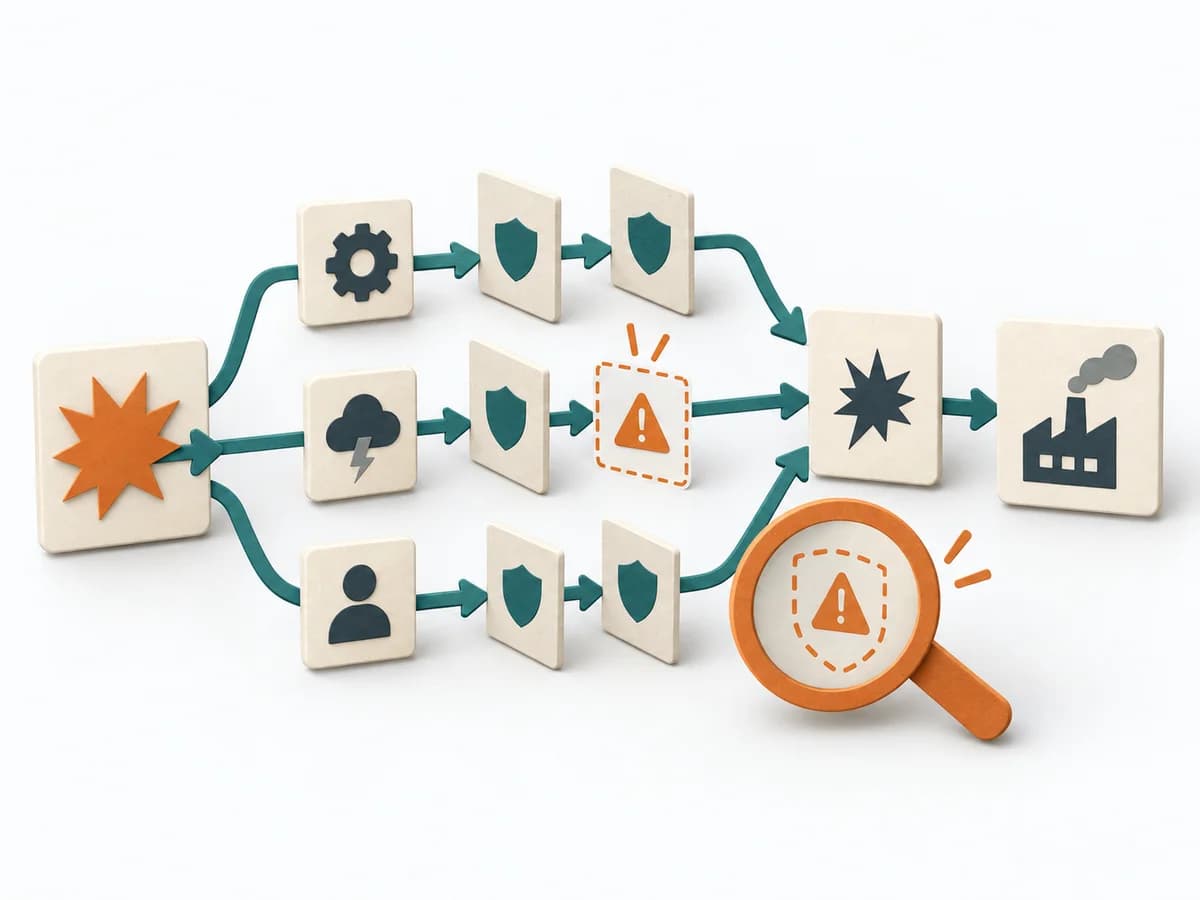 Engineering Failure Scenario Analysis | 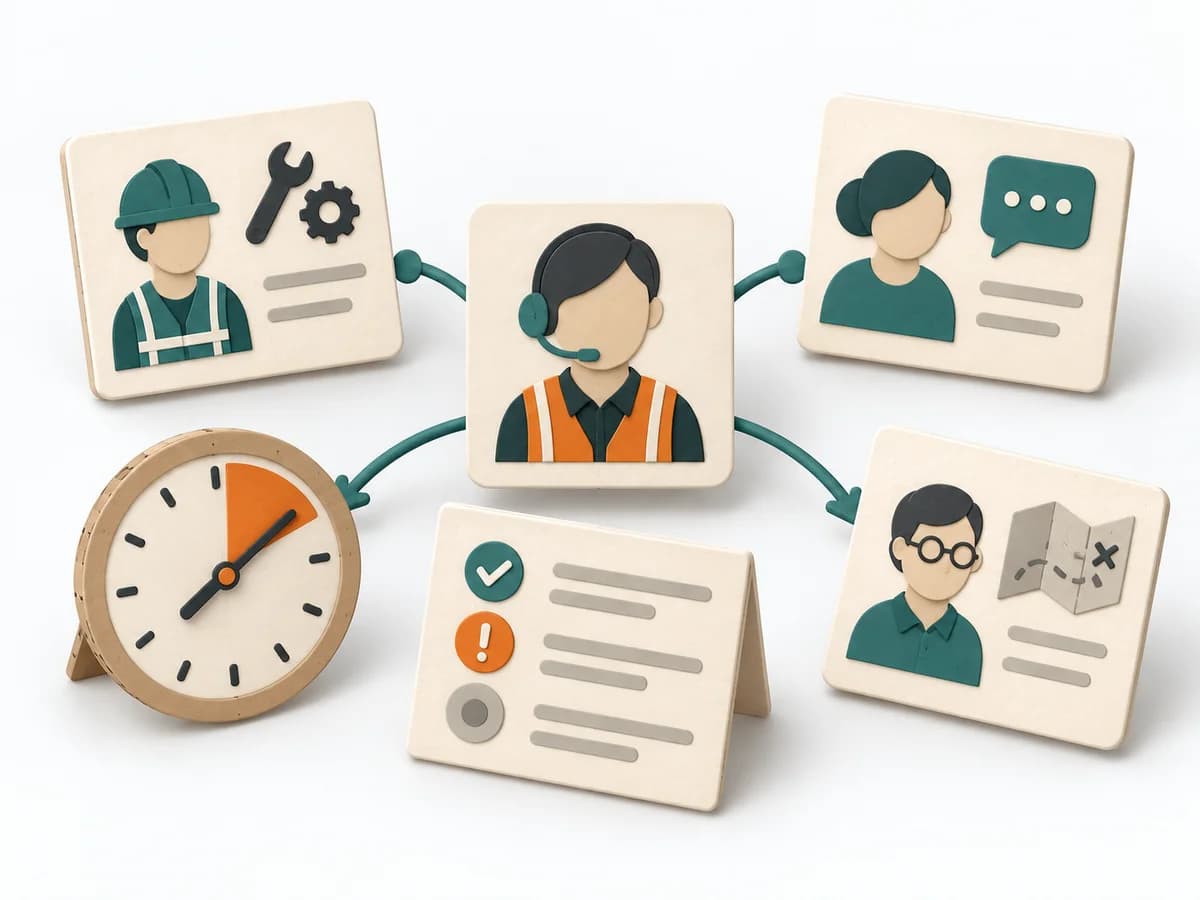 DevOps Incident Command | 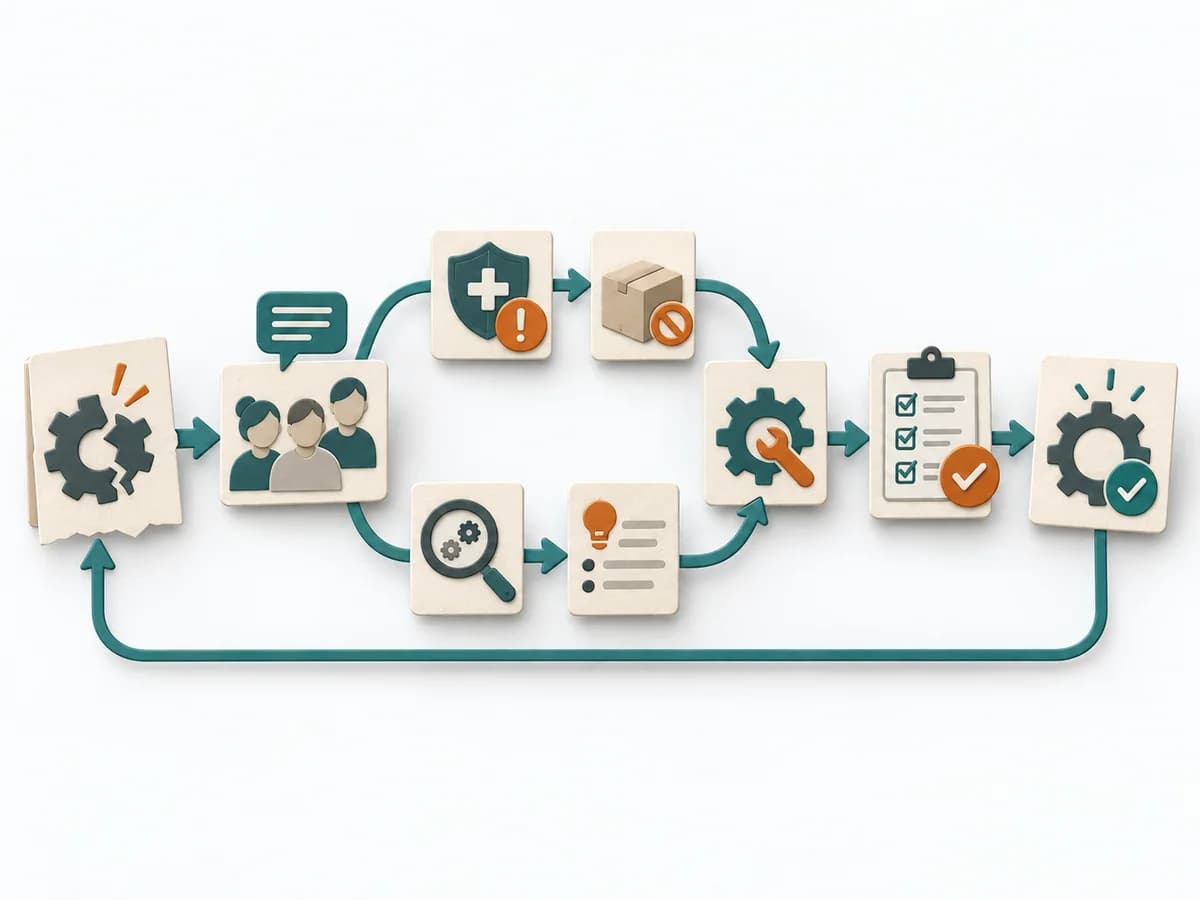 Operations 8D Problem Solving |  Operations 5 Whys |
|---|---|---|---|---|
Purposedifferent | In critical processes, it is not enough to plan only for the normal case. Failure Scenario Analysis looks at the path into failure and shows which failures, chains, and control gaps cause the most damage. | During an acute incident with several people involved, the method creates a clear leadership and communication structure. It reduces chaos when fast coordination and clean situational awareness are both needed at once. | For an acute quality or delivery problem, the method structures immediate protection and root cause work together. It keeps the situation stable while the actual cause is investigated cleanly. | For a single, hard-to-explain deviation, the method exposes the causal chain behind the visible symptom. It keeps the cause open until a controllable condition emerges instead of a mere description. |
Complexitydifferent | Medium | Medium | High | Low |
Timedifferent | 1-3 h | As needed | 1-6 Wochen | 15-30 min |
Participantsdifferent | 3-8 | 4-15 | 4-10 | 2-6 |
Formatdifferent | Workshop | Workshop + async | Workshop + async | Workshop |
Outputdifferent | Failure Scenarios, Risk Notes, Control Gaps, Test and Response Actions | Incident Log, Action Tracker, Stakeholder Updates | 8D Report, Containment Plan, Root Cause Evidence, Corrective Action Plan | Root cause notes, Countermeasures |
Tagsno overlap | FailureResilienceRisk | IncidentOperationsReliability | QualityProblem solvingRoot cause | Root causeIncidentLeanProblem solving |