View methods side by side.
Choose up to four methods. Add them using the search and share the comparison by copying its link.
| Criterion |  UX Research Empathy Mapping | 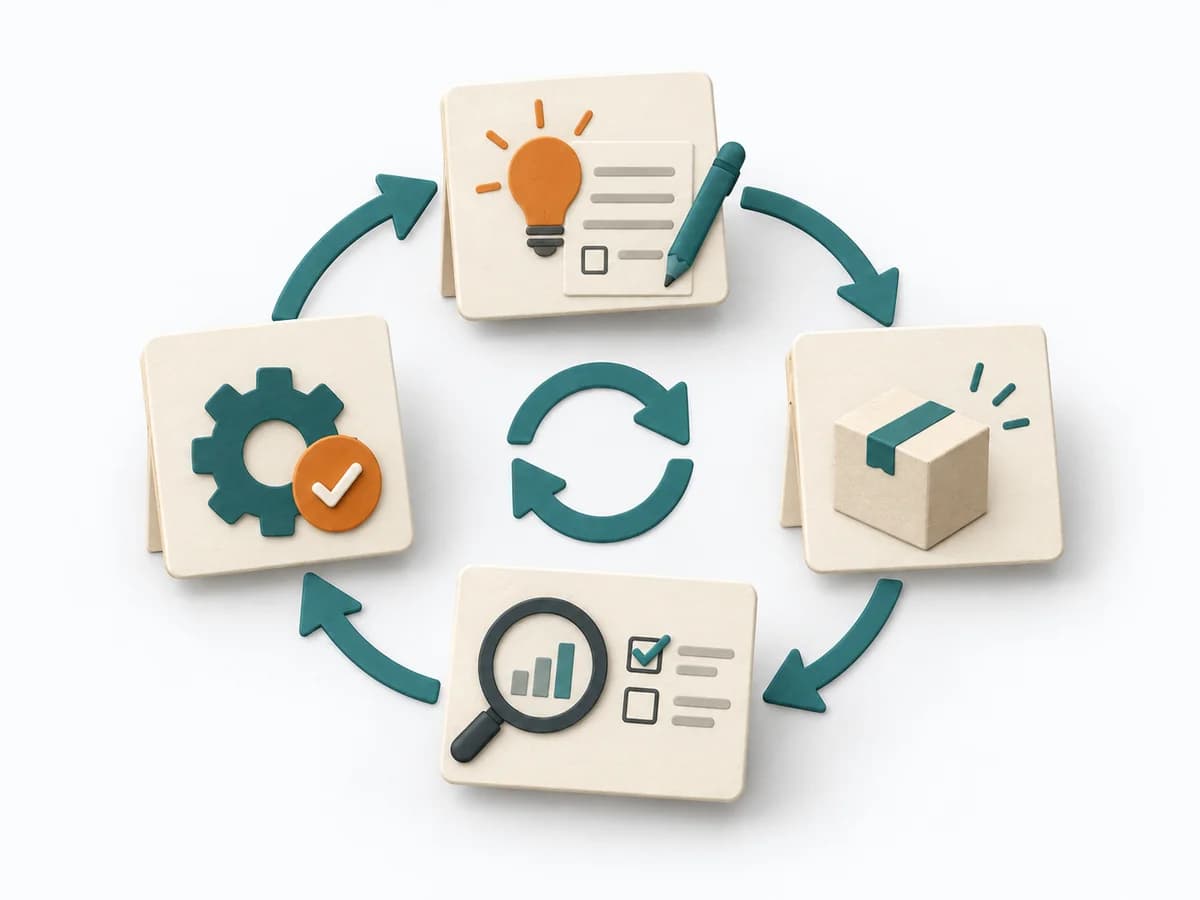 Operations PDCA Cycle | 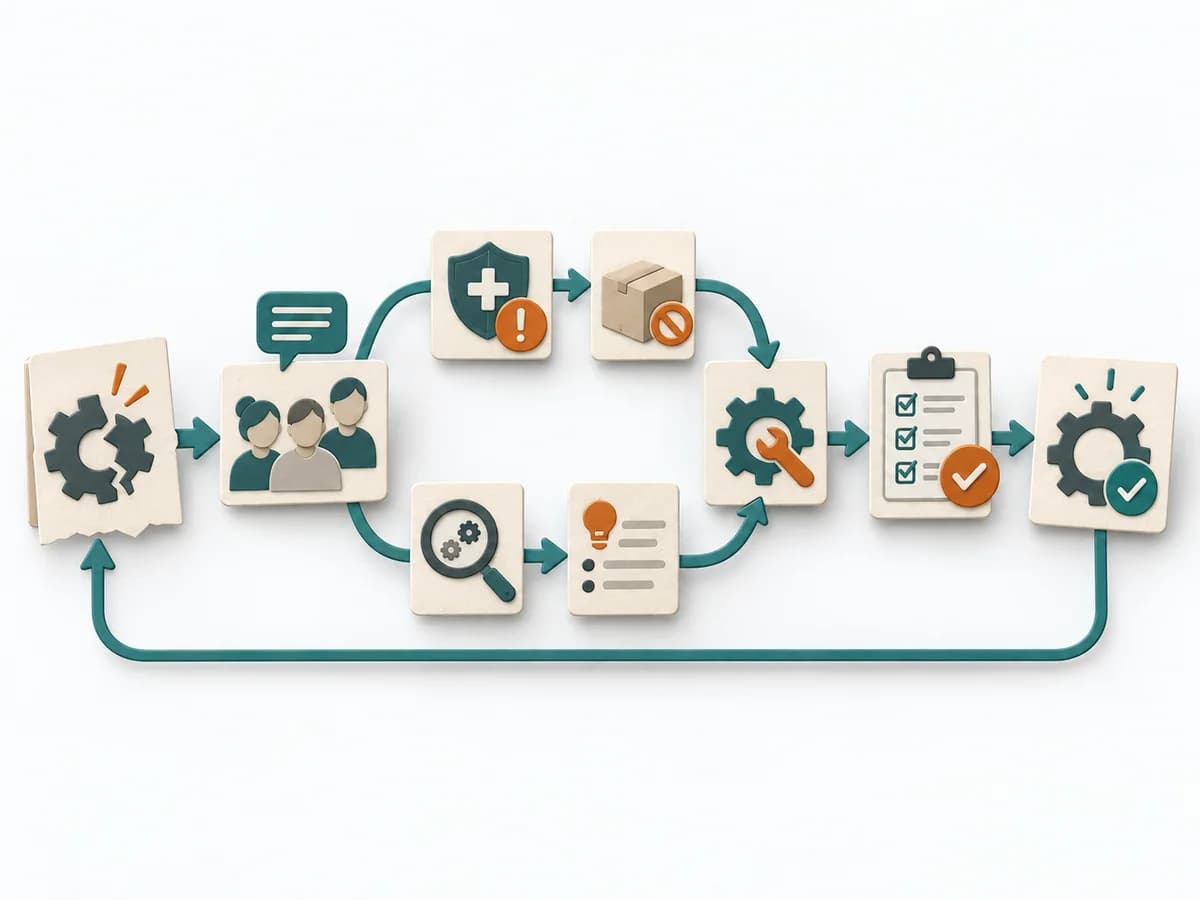 Operations 8D Problem Solving | 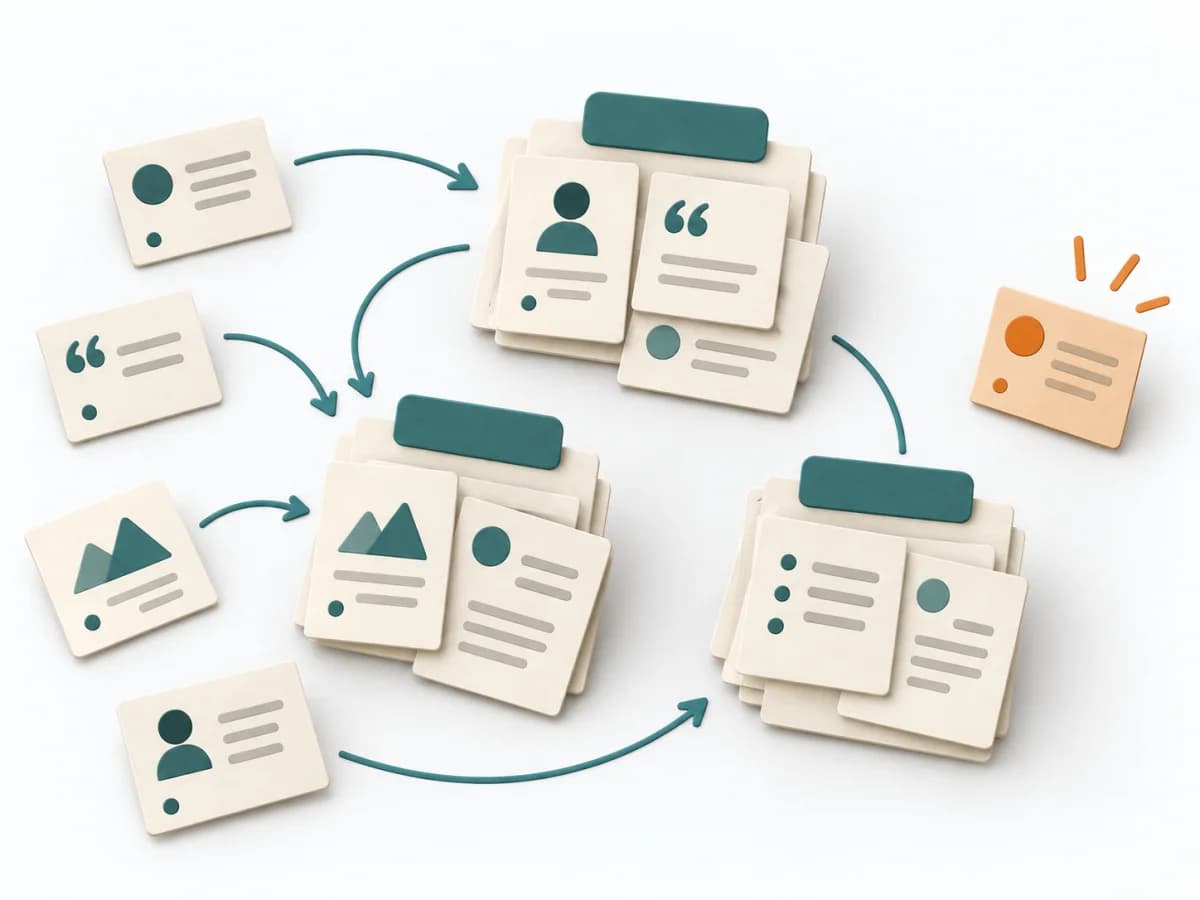 UX Research Affinity Diagramming |
|---|---|---|---|---|
Purposedifferent | When a lot is assumed about a target group but little is seen jointly, empathy mapping makes knowledge and gaps directly comparable. The picture also shows which assumptions hold up and where evidence is missing. | For an improvement that still has to prove itself in everyday work, the method runs it through small learning loops. It connects planning, checking, and standardization into a repeatable learning mode. | For an acute quality or delivery problem, the method structures immediate protection and root cause work together. It keeps the situation stable while the actual cause is investigated cleanly. | When research notes, feedback, or observations sit unconnected side by side, affinity diagramming sorts the raw material into solid themes. Many individual points turn into patterns that make decisions and opportunities clearer. |
Complexitydifferent | Low | Low | High | Low |
Timedifferent | 30–60 min | 1 h bis mehrere Wochen | 1-6 Wochen | 45–90 min |
Participantsdifferent | 4-8 | 1-8 | 4-10 | 3-10 |
Formatdifferent | Workshop | Workshop + async | Workshop + async | Workshop |
Outputdifferent | Empathy Map, Assumptions List, Research Gaps | PDCA Log, Experiment Plan, Learning Outcome, Standard Change | 8D Report, Containment Plan, Root Cause Evidence, Corrective Action Plan | Theme clusters, Insight statements, Opportunity areas |
Tagsno overlap | SynthesisQualitativeWorkshop | Continuous improvementLeanExperiments | QualityProblem solvingRoot cause | SynthesisQualitativeRoot cause |