View methods side by side.
Choose up to four methods. Add them using the search and share the comparison by copying its link.
| Criterion | 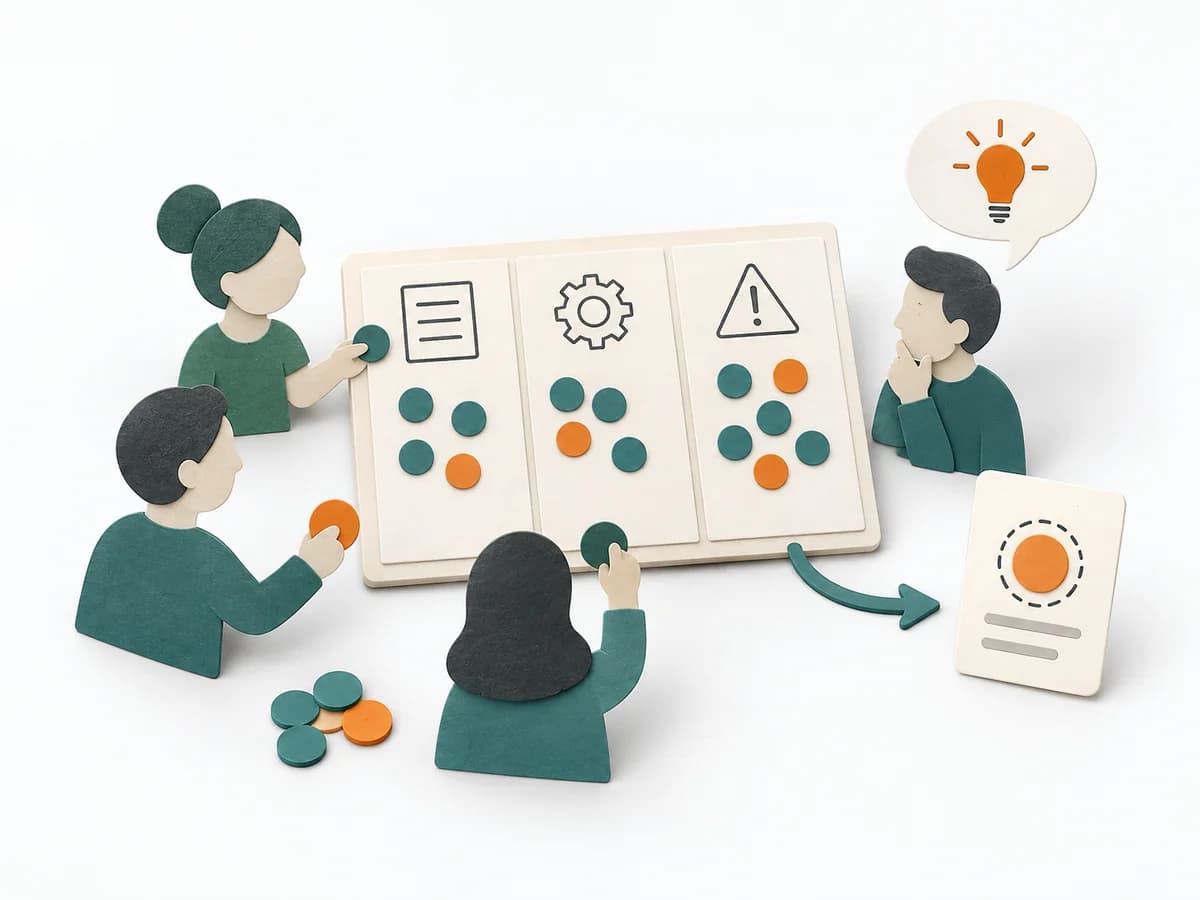 Facilitation Dot Estimation | 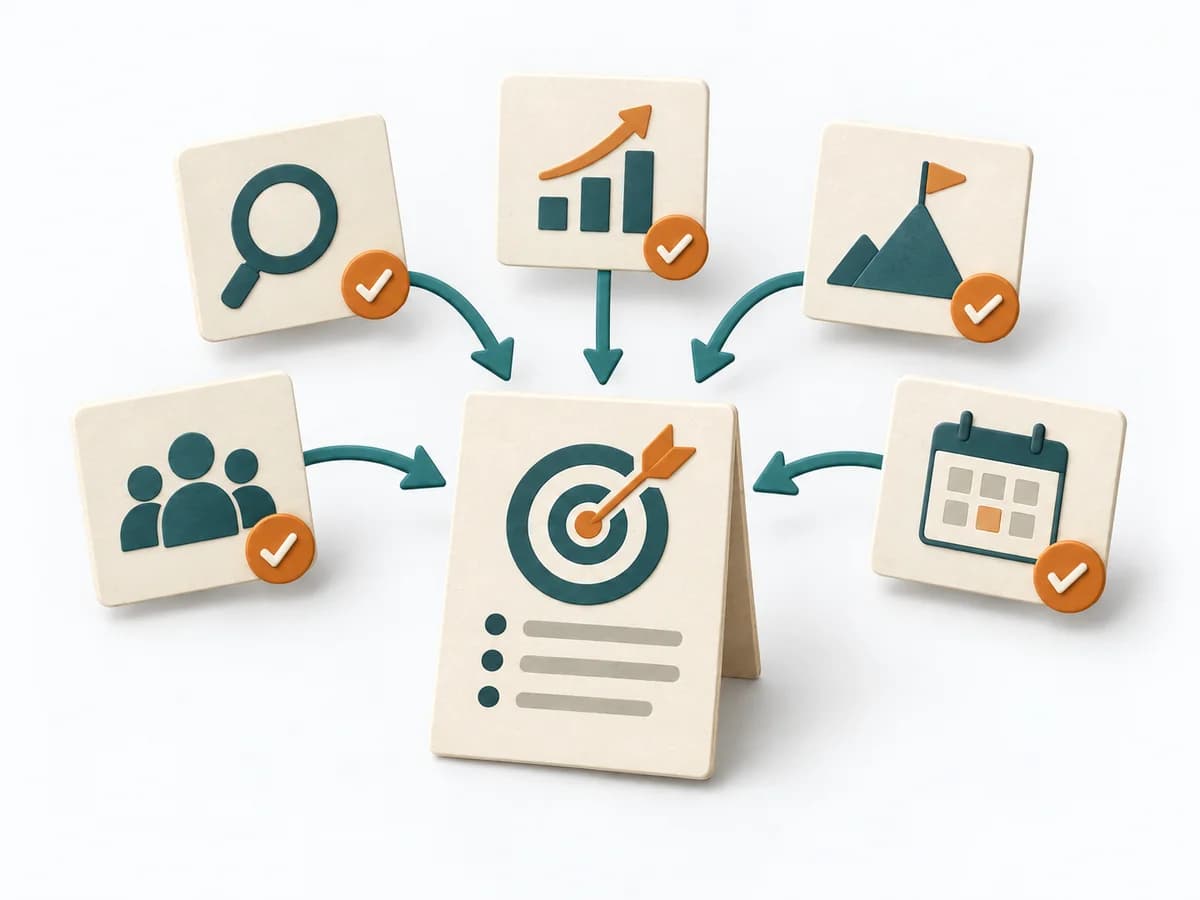 Product Strategy SMART Goals | 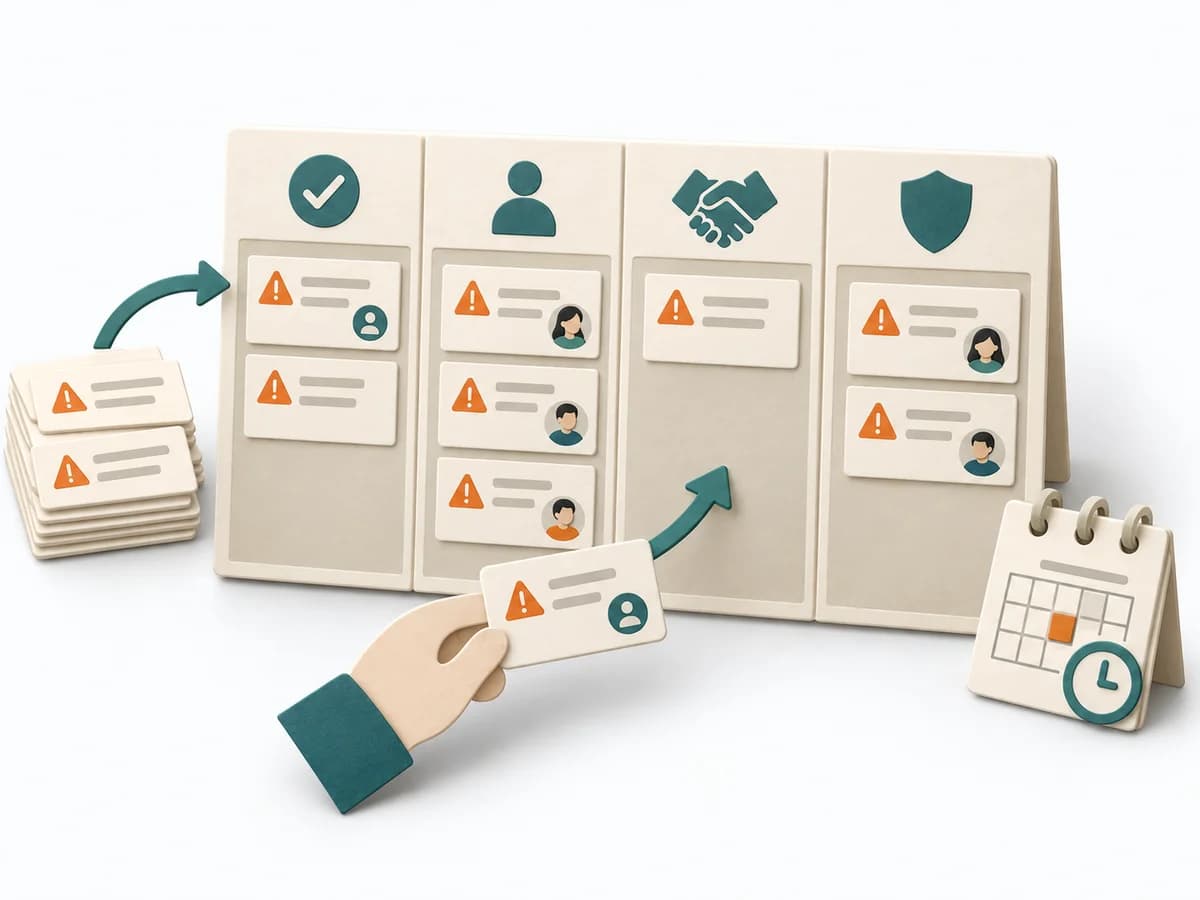 Agile ROAM Board |  Agile Story Points |
|---|---|---|---|---|
Purposedifferent | When size or effort can only be estimated roughly, Dot Estimation condenses the group's experience into a quick range. It turns individual contributions into a visible selection. The result is captured as an Effort Heatmap, Risk Signals, and Discussion Targets. | When goals are formulated too generally, it brings measurability, direction, and timing into shape. It prevents intentions from staying without clear verification. | When work needs to move between different states or columns, it makes that movement and its handoffs legible. It sorts work by value, risk, and delivery ability. The result is captured as a ROAM Board and an Owner List. | When teams want to rate complexity rather than hours, it creates a shared, relative scale. It sorts work by value, risk, and delivery ability. The result is captured as Point Estimates, Reference Stories, and Velocity Data. |
Complexitydifferent | Low | Low | Low | Medium |
Timedifferent | 5-20 min | 15-30 min | 20-40 min initial, dann laufend | laufend, 1-5 min je Item |
Participantsdifferent | 3-20 | 1-8 | 3-15 | 3-9 |
Formatdifferent | Workshop | Workshop + async | Workshop + async | Workshop + async |
Outputdifferent | Effort Heatmap, Risk Signals, Discussion Targets | SMART Goal, Measurement Note, Deadline | ROAM Board, Owner List | Point Estimates, Reference Stories, Velocity Data |
Tagsno overlap | EstimationEffortRisk | GoalsPlanningMeasurementAlignment | RiskAgileTrackingAlignment | EstimationAgileMeasurement |