View methods side by side.
Choose up to four methods. Add them using the search and share the comparison by copying its link.
| Criterion | 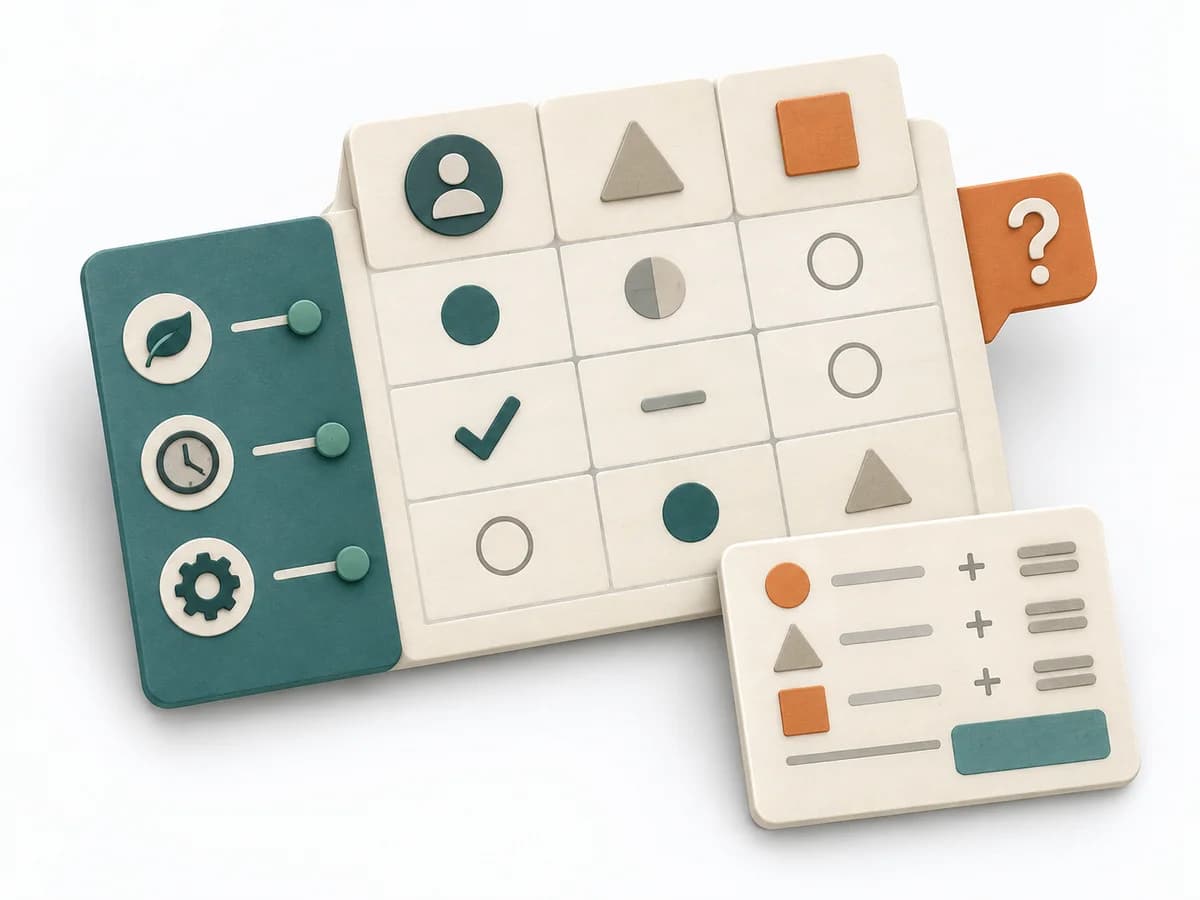 Decision Making Decision Matrix | 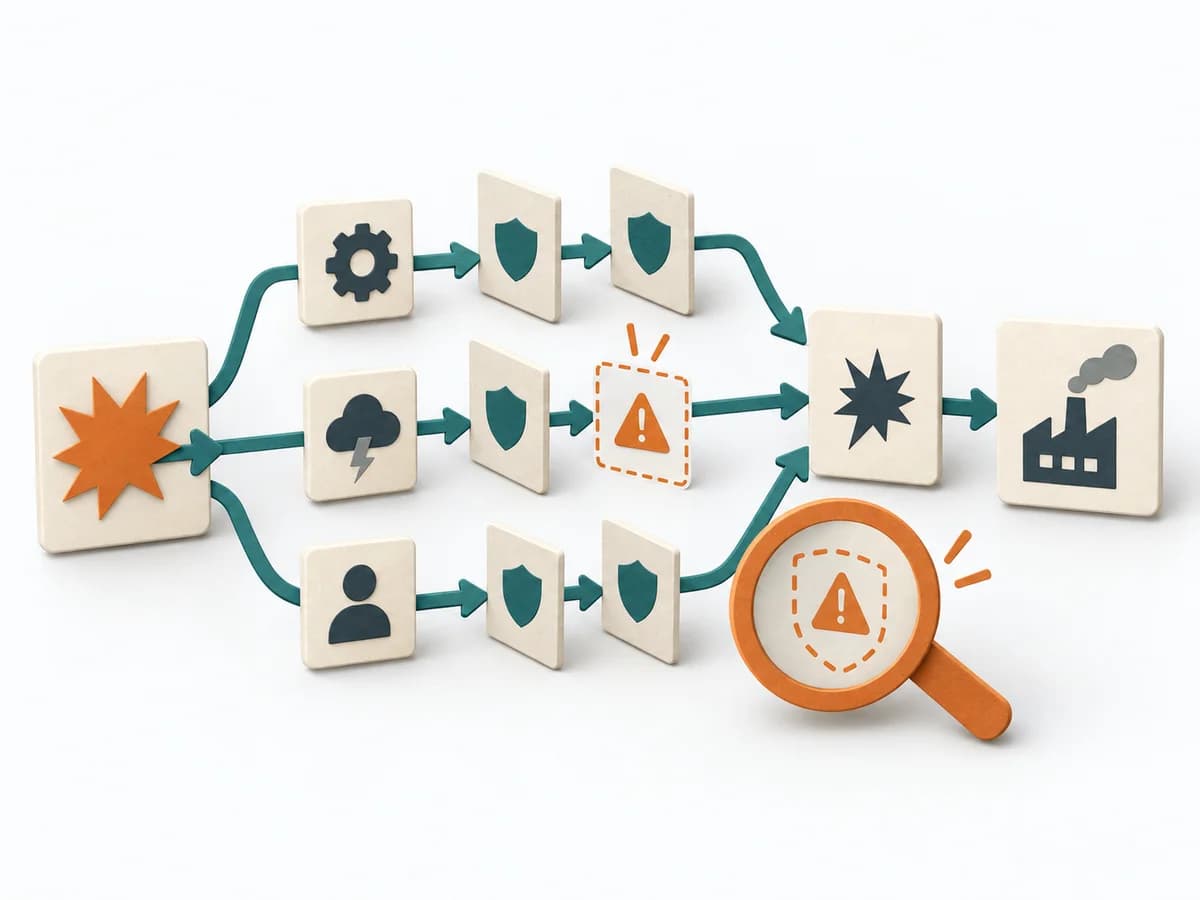 Engineering Failure Scenario Analysis |  Product Strategy DIBB | 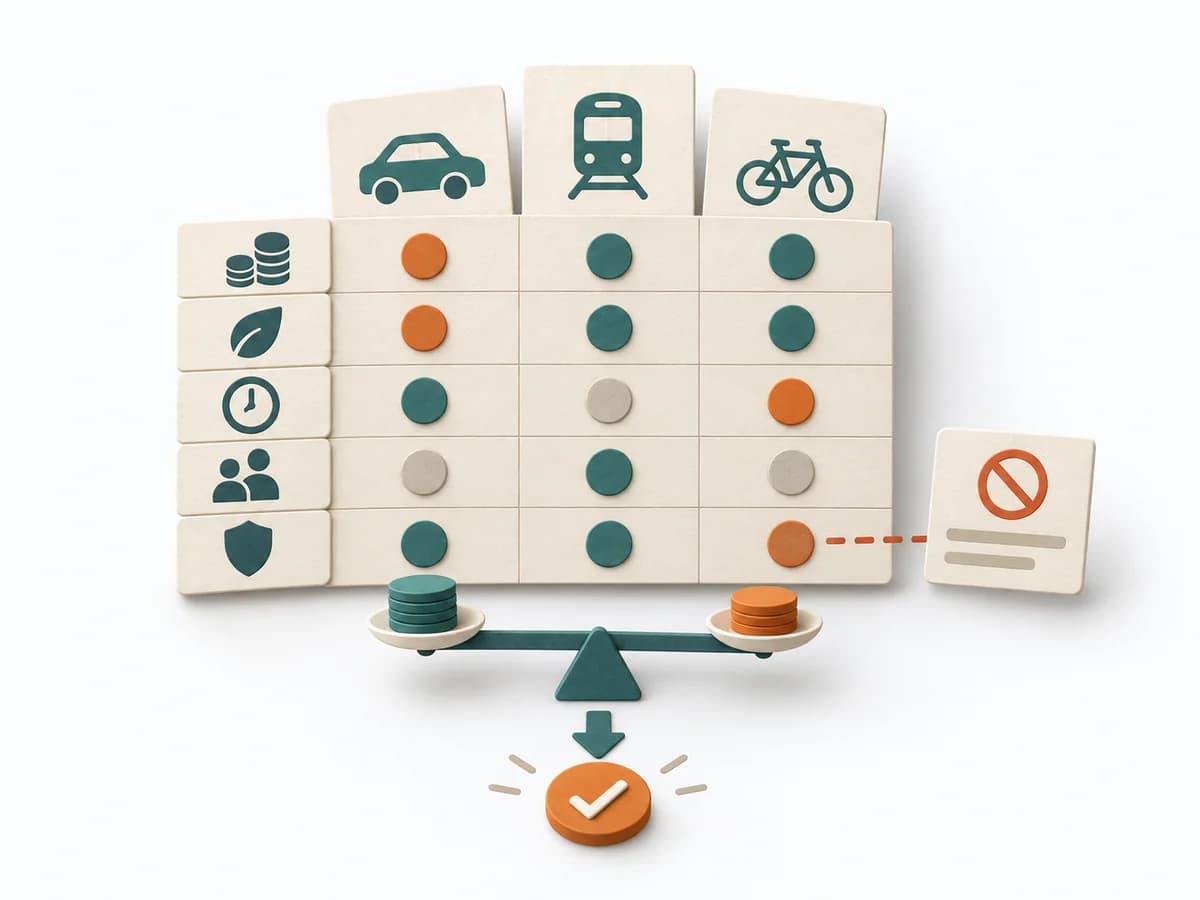 Decision Making Trade-off Analysis |
|---|---|---|---|---|
Purposedifferent | When several options collide with several criteria, comparison quickly becomes subjective. A Decision Matrix makes the trade-off visible and brings weighting, criteria, and options into a shared logic. | In critical processes, it is not enough to plan only for the normal case. Failure Scenario Analysis looks at the path into failure and shows which failures, chains, and control gaps cause the most damage. | DIBB helps clarify target groups, value, goals, and priorities by making the logic behind a decision explicit. It captures results as a DIBB document, belief list, bet list, and learning report. | With limited resources, quality, speed, cost, and risk almost always compete with each other. Trade-off Analysis makes these tensions explicit and prevents decisions from producing hidden side effects. |
Complexitydifferent | Medium | Medium | Low | Medium |
Timedifferent | 45-90 min | 1-3 h | 1-2 h | 45-120 min |
Participantsdifferent | 2-8 | 3-8 | 2-8 | 2-8 |
Formatdifferent | Workshop + async | Workshop | Workshop + async | Workshop + async |
Outputdifferent | Decision Matrix, Scoring Rationale, Selected Option | Failure Scenarios, Risk Notes, Control Gaps, Test and Response Actions | DIBB document, Belief list, Bet list, Learning report | Trade-off Matrix, Criteria List, Decision Rationale, Accepted Downsides |
Tagsno overlap | DecisionCriteriaScoringTradeoffs | FailureResilienceRisk | StrategyDecisionAssumptionsHypothesis | TradeoffsDecisionCriteriaOptions |