View methods side by side.
Choose up to four methods. Add them using the search and share the comparison by copying its link.
| Criterion |  Domain Modeling Context Map | 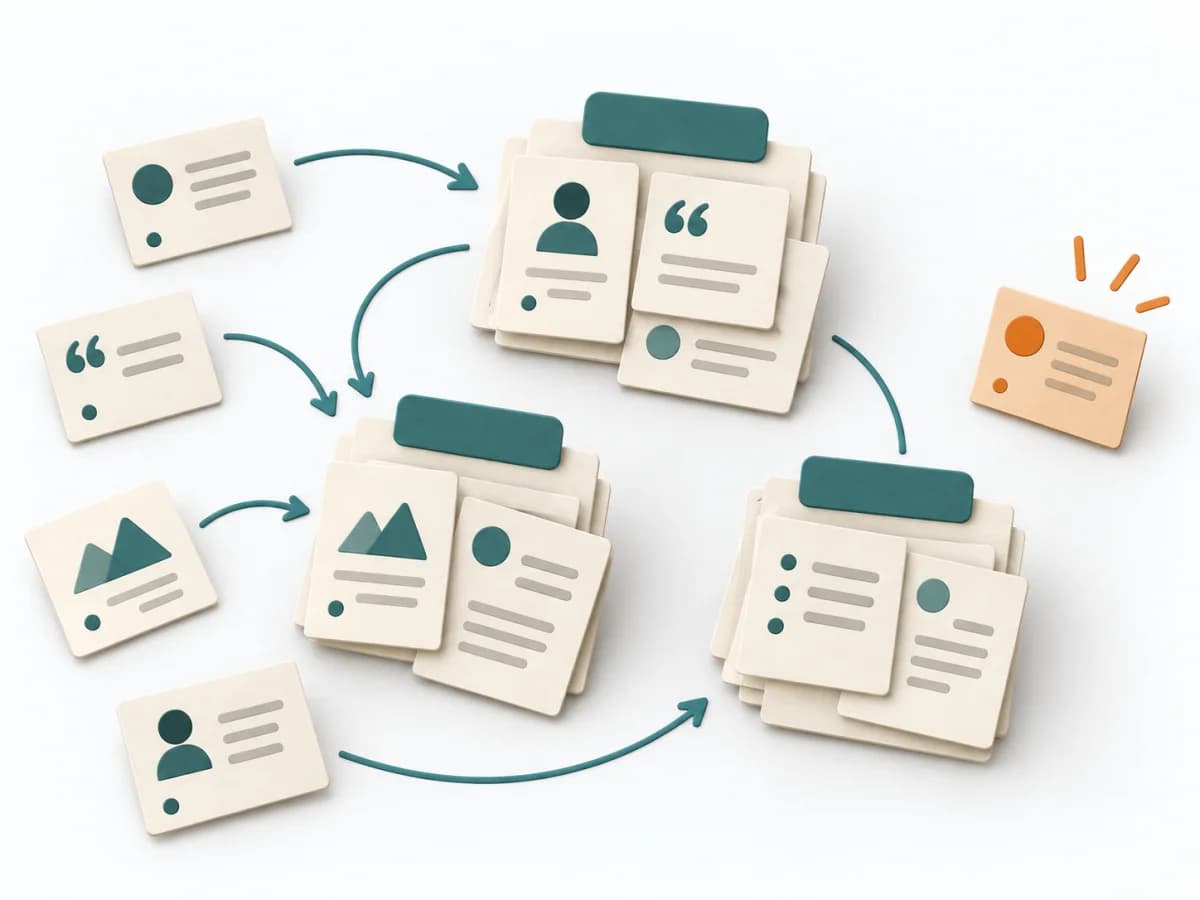 UX Research Affinity Diagramming | 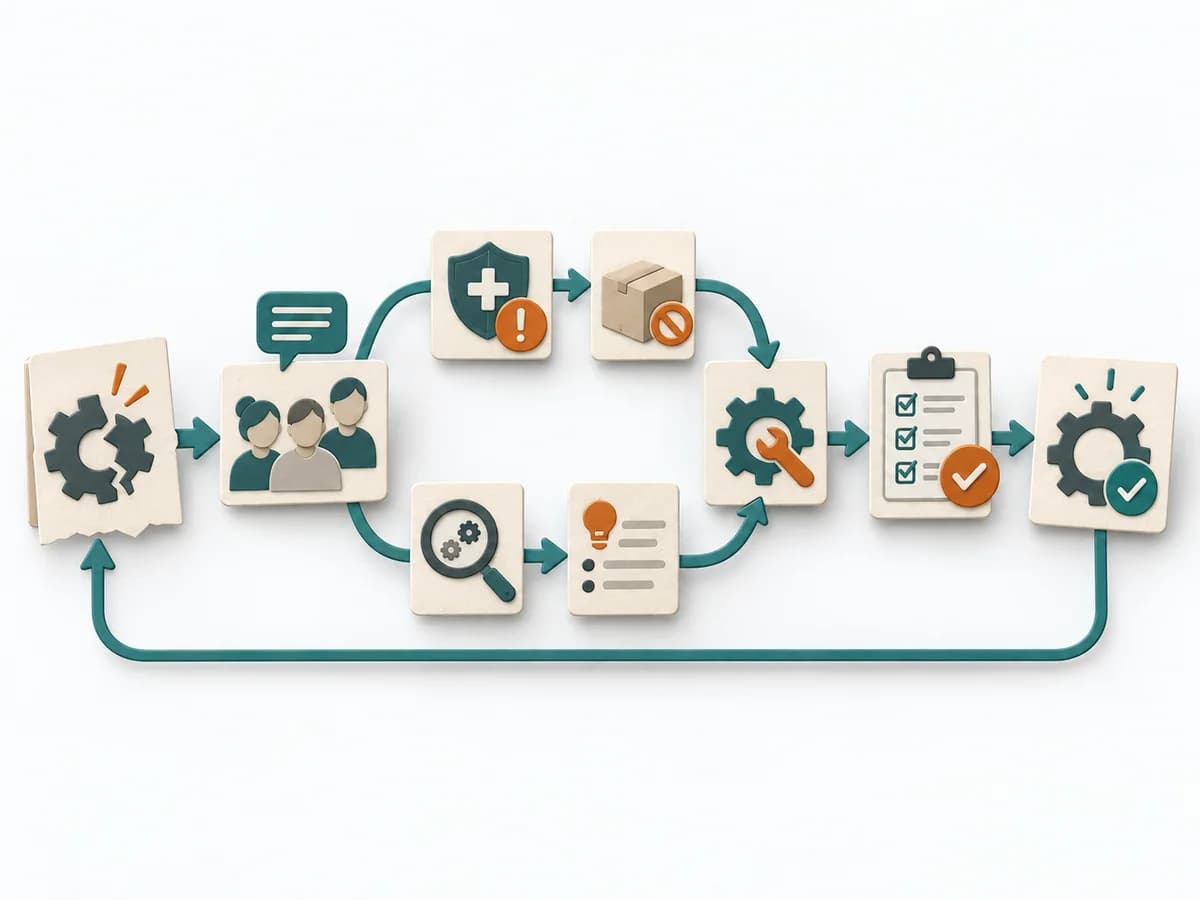 Operations 8D Problem Solving | 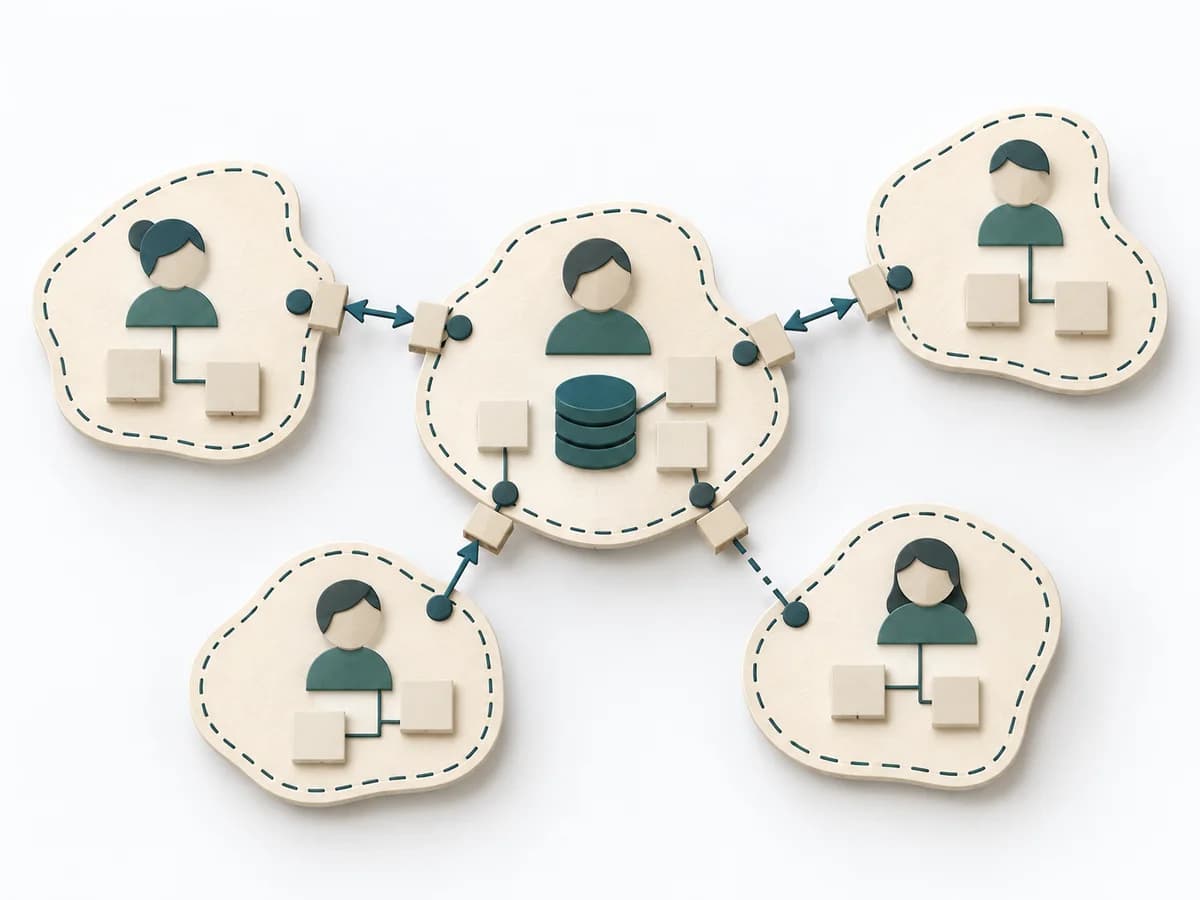 Domain Modeling Domain Context Map |
|---|---|---|---|---|
Purposedifferent | When several contexts need to talk to each other, it makes their relationships and dependencies legible. It helps sort integration pressure and responsibilities across system boundaries. | When research notes, feedback, or observations sit unconnected side by side, affinity diagramming sorts the raw material into solid themes. Many individual points turn into patterns that make decisions and opportunities clearer. | For an acute quality or delivery problem, the method structures immediate protection and root cause work together. It keeps the situation stable while the actual cause is investigated cleanly. | When a domain model and its associated contexts need to be thought through together, it creates a shared overview. It connects the business view and organizational boundary into a readable whole. |
Complexitydifferent | Medium | Low | High | Medium |
Timedifferent | 1-3 h | 45–90 min | 1-6 Wochen | 1-3 h |
Participantsdifferent | 2-8 | 3-10 | 4-10 | 3-10 |
Formatdifferent | Workshop + async | Workshop | Workshop + async | Workshop |
Outputdifferent | Context Map, Integration Patterns, Boundary Notes | Theme clusters, Insight statements, Opportunity areas | 8D Report, Containment Plan, Root Cause Evidence, Corrective Action Plan | Domain Context Map, Boundary Notes, Ownership Map |
Tagsno overlap | Domain-Driven DesignBoundariesStrategy | SynthesisQualitativeRoot cause | QualityProblem solvingRoot cause | Domain-Driven DesignContextBoundaries |