View methods side by side.
Choose up to four methods. Add them using the search and share the comparison by copying its link.
Selected:CATWOE AnalysisStock and Flow DiagramATAM (Architecture Tradeoff Analysis Method)Causal Loop Diagram
| Criterion |  Systems Thinking CATWOE Analysis | 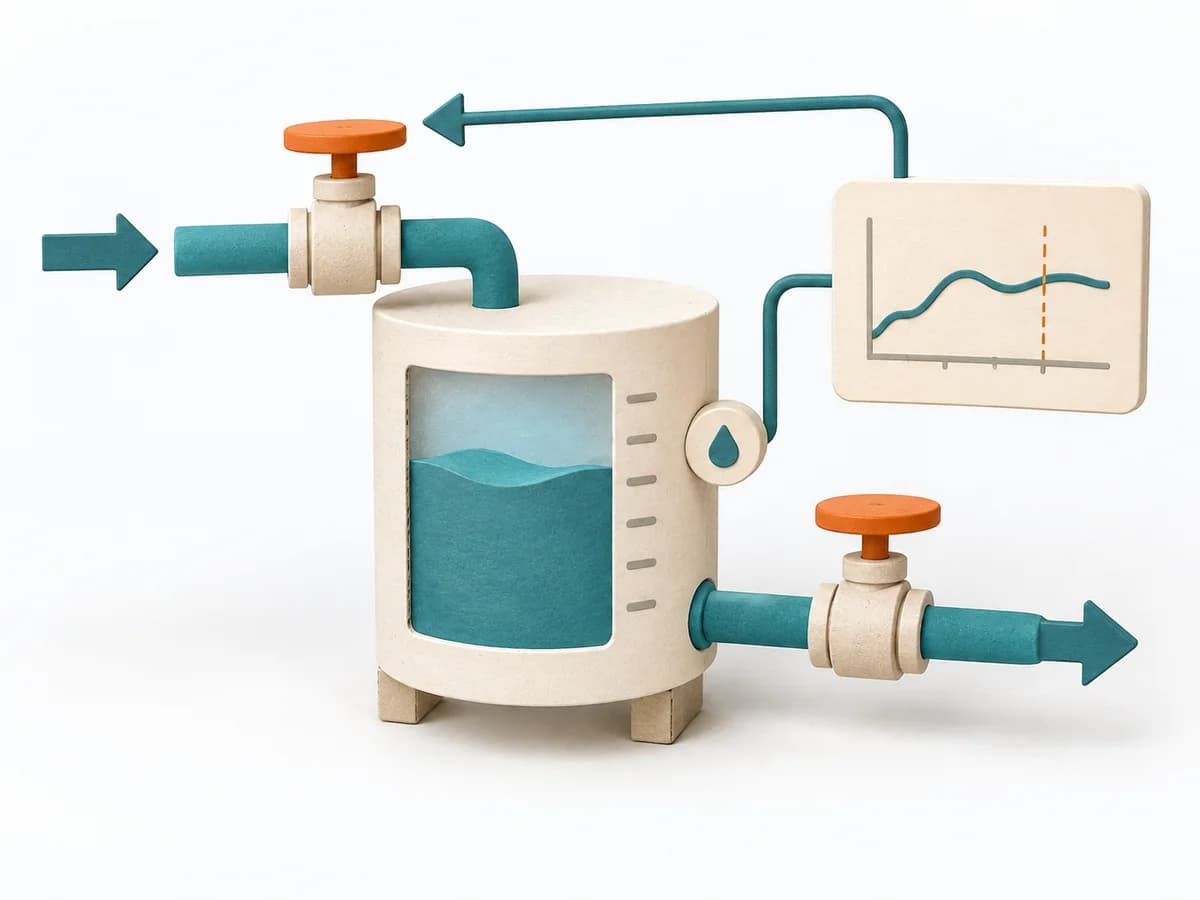 Systems Thinking Stock and Flow Diagram |  Architecture ATAM (Architecture Tradeoff Analysis Method) | 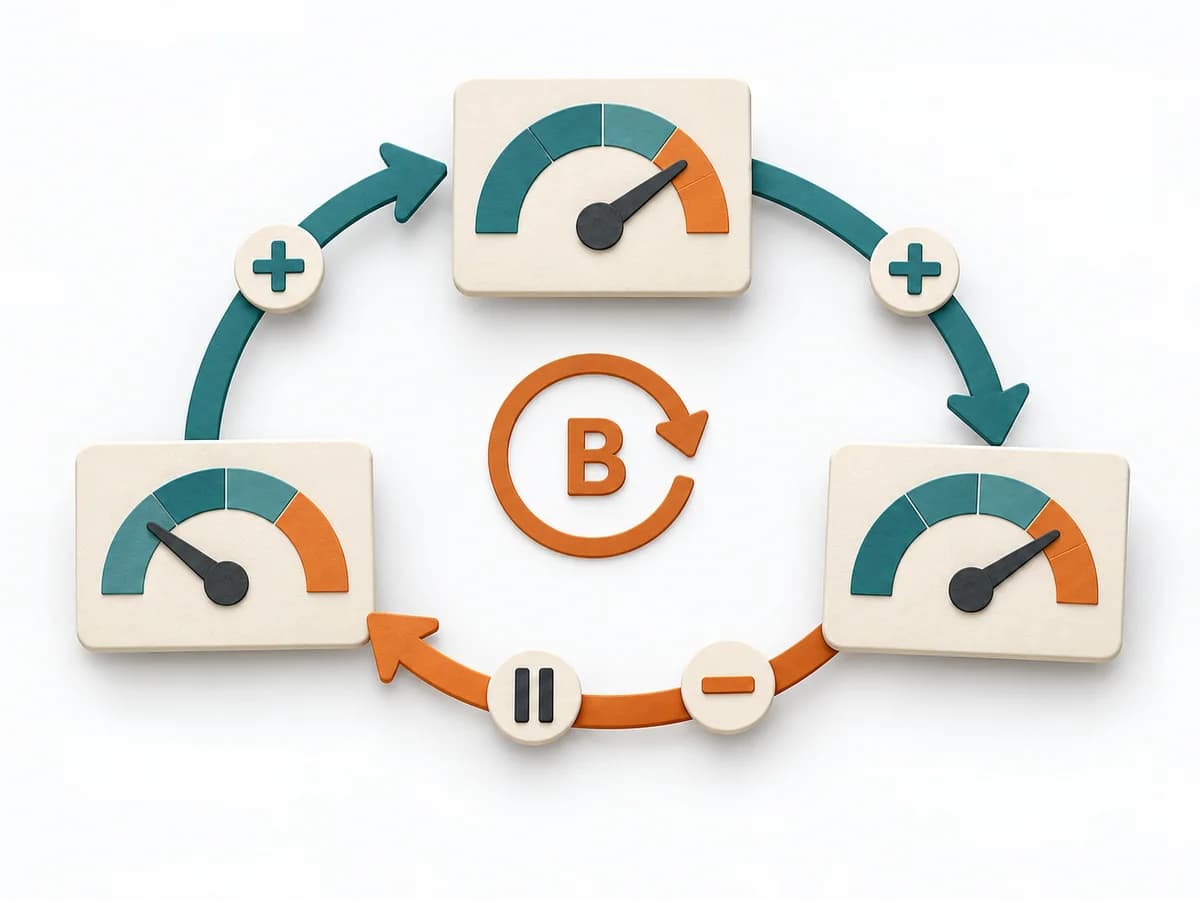 Systems Thinking Causal Loop Diagram |
|---|---|---|---|---|
Purposedifferent | CATWOE structures a problem from six viewpoints and prevents too narrow a view of the situation. Different experiences of the system become comparably discussable this way. | A Stock and Flow Diagram shows how stocks, inflows, and outflows shape a system over time. It is especially suited when growth, delays, or capacity limits determine the dynamics. | ATAM helps teams weigh architecture decisions when quality goals compete. The team considers business goals, stakeholder expectations, and technical decisions together. The evaluation shows which risks need further investigation. | A Causal Loop Diagram makes feedback, reinforcement, and balance in a system legible. It uncovers side effects and self-reinforcement that stay hidden in linear explanations. |
Complexitydifferent | Medium | High | High | Medium |
Timedifferent | 45-90 min | 2-6 h | Several meetings plus preparation and analysis; total effort depends on scope | 1-3 h |
Participantsdifferent | 3-8 | 1-6 | Evaluation team, architects, and relevant stakeholders | 2-8 |
Formatdifferent | Workshop + async | Workshop + async | Workshop + async | Workshop |
Outputdifferent | CATWOE Canvas, Root Definition, Stakeholder Perspectives, Constraints | Stock and Flow Model, Dynamics Notes, Simulation Hypotheses | Prioritized quality scenarios in a utility tree, Architecture risks with reasoning and assumptions, Sensitivity and trade-off points, Findings report with open investigations | Causal Loop Diagram, Feedback Notes, Leverage Points |
Tagsno overlap | Systems thinkingFramingStakeholders | DynamicsSimulationFeedbackSystems thinking | ArchitectureQualityRiskTradeoffsStakeholders | FeedbackSystems thinkingCausalityDynamics |