View methods side by side.
Choose up to four methods. Add them using the search and share the comparison by copying its link.
| Criterion | 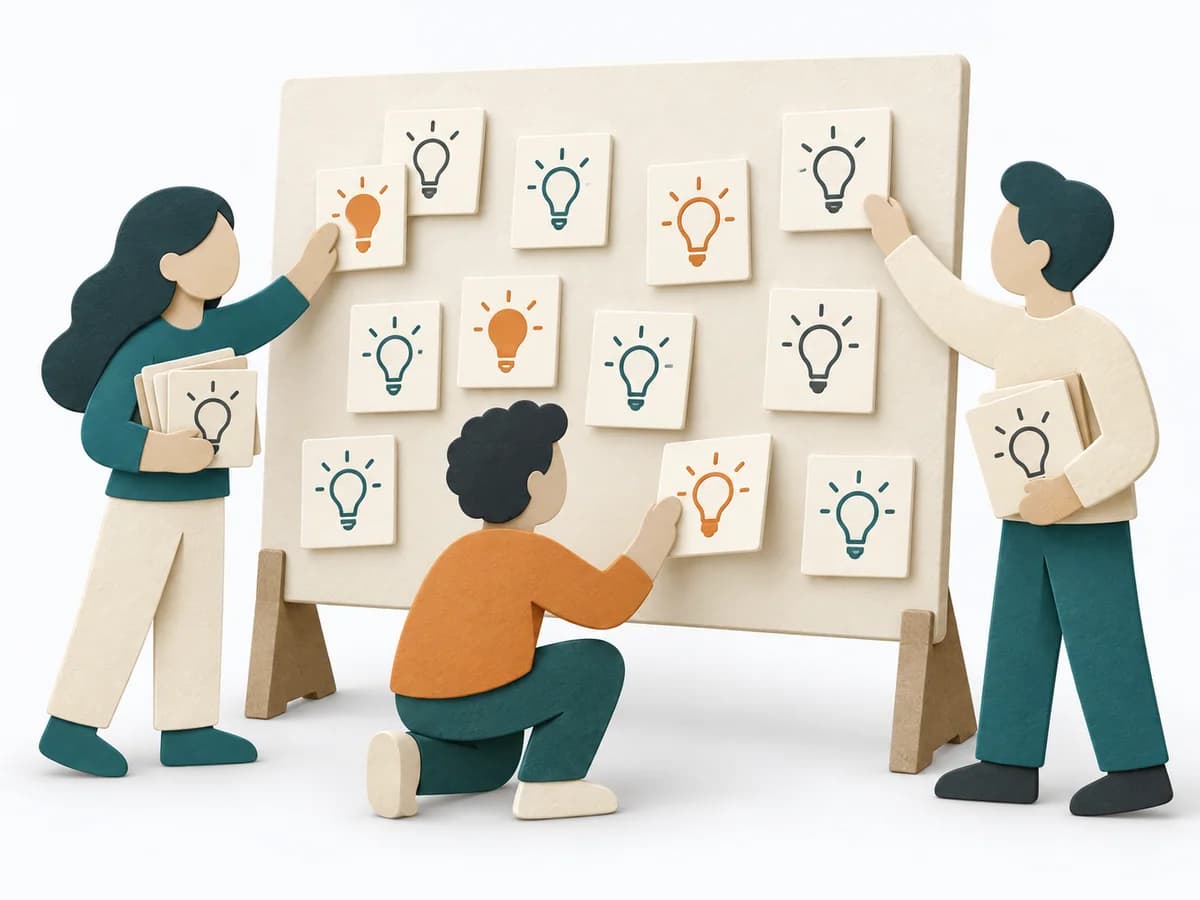 Innovation Brainstorming | 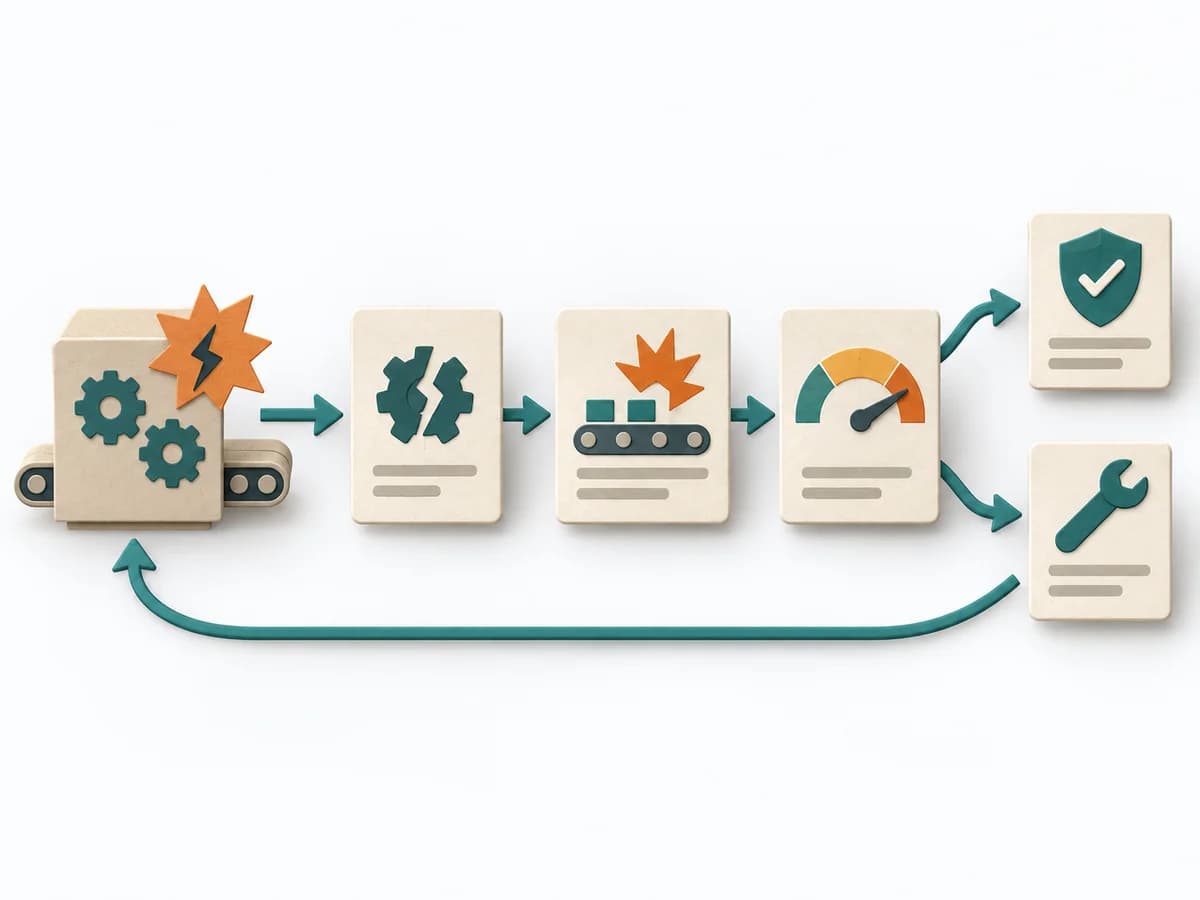 Operations Failure Mode and Effects Analysis | 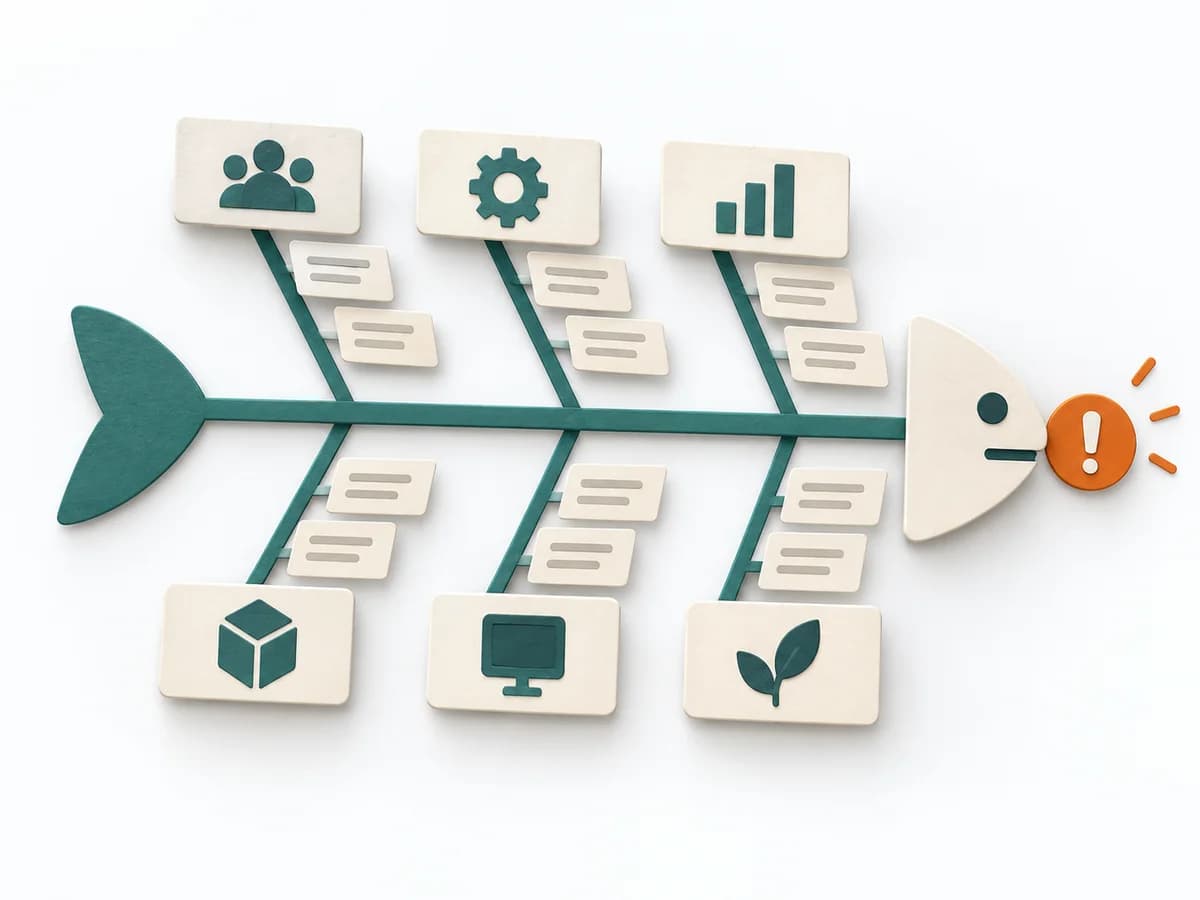 Operations Fishbone Diagram | 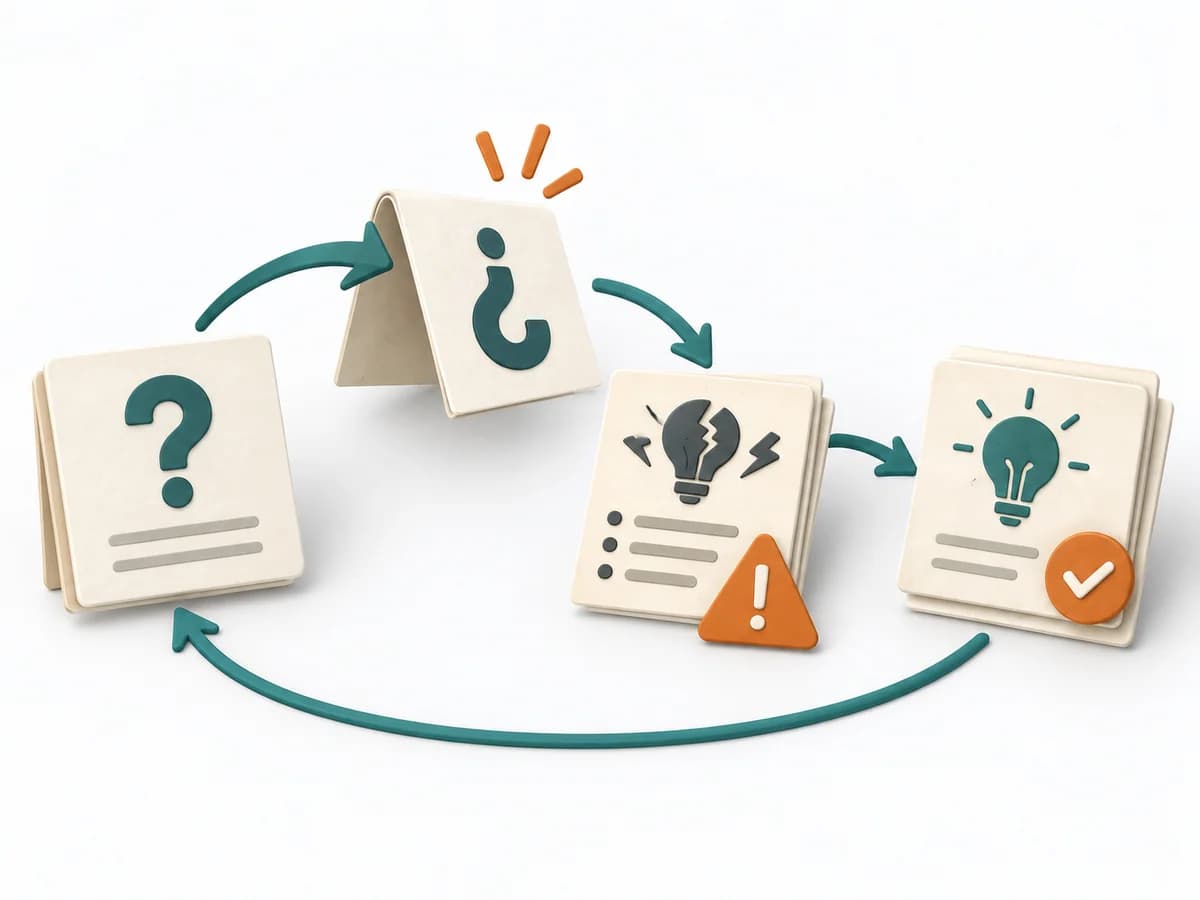 Innovation Reverse Brainstorming |
|---|---|---|---|---|
Purposedifferent | When a team faces an open question with many obvious directions, the method first creates breadth instead of premature commitment. It separates idea flow from evaluation and makes lines of thought visible, creating a pool for selection and further development. | For a process, product, or service with noticeable failure risks, the method assesses possible failure modes in advance. It directs attention to combinations of occurrence, effect, and detectability. | When a problem has several possible contributing factors, the method sorts causes by cause areas. It prevents an initial hunch from blocking the view of other plausible drivers. | For persistent errors or blockages, the method shifts the view to the opposite of the desired effect. It exposes the mechanics of failure and makes hidden causes easier to grasp. This makes improvement more concrete and the problem clearer. |
Complexitydifferent | Low | High | Low | Low |
Timedifferent | 30-60 min | 2-6 h | 30-60 min | 30-60 min |
Participantsdifferent | 4-12 | 3-10 | 2-8 | 3-12 |
Formatsame | Workshop | Workshop | Workshop | Workshop |
Outputdifferent | Idea pool, Theme clusters, Shortlist | FMEA Table, Risk Priority, Mitigation Actions | Fishbone Diagram, Cause Categories, Investigation Backlog | Reverse Ideas, Risk Themes, Solution Ideas |
Tagsno overlap | BrainstormingIdeationCreativityWorkshopDivergence | RiskQualityOperationsRoot cause | Root causeQualityOperations | BrainstormingIdeationCreativityRisk |