View methods side by side.
Choose up to four methods. Add them using the search and share the comparison by copying its link.
| Criterion | 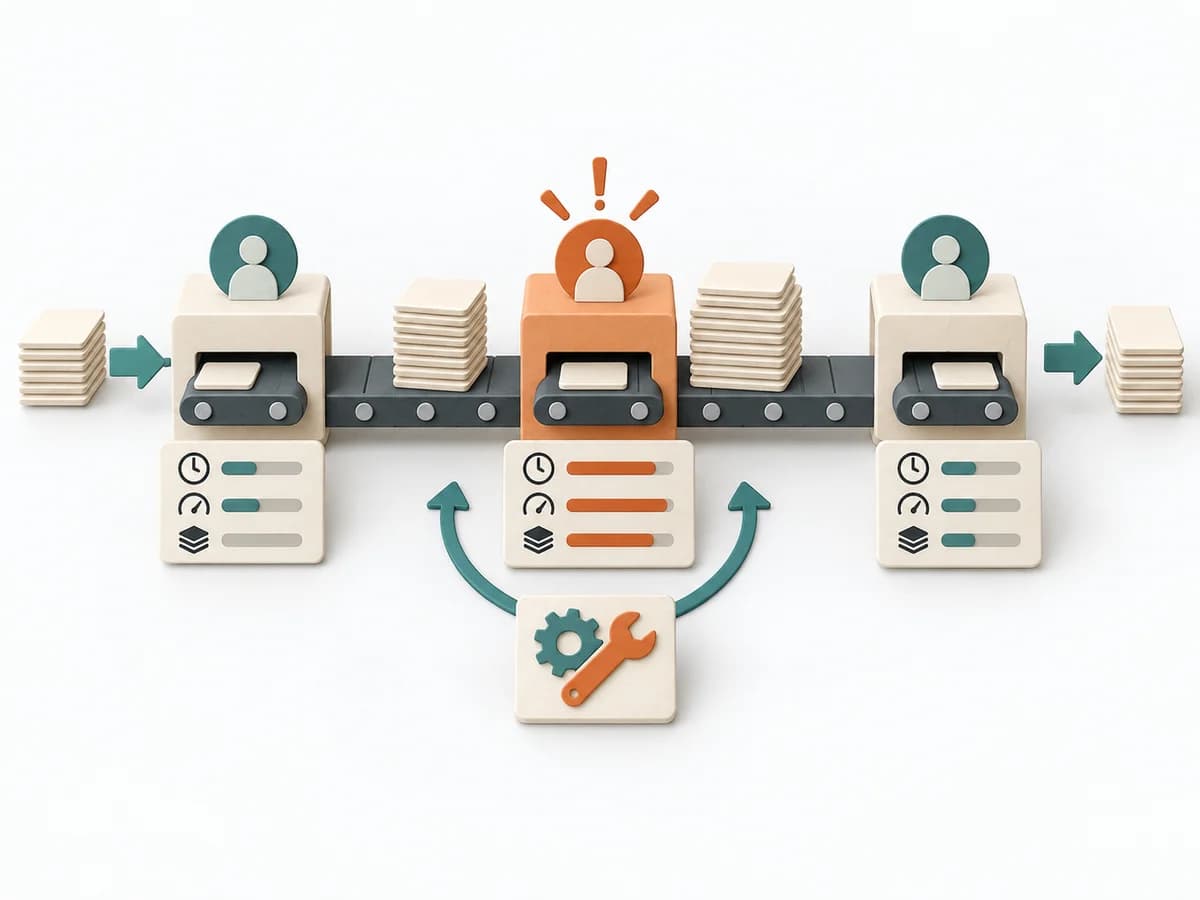 Operations Bottleneck Analysis | 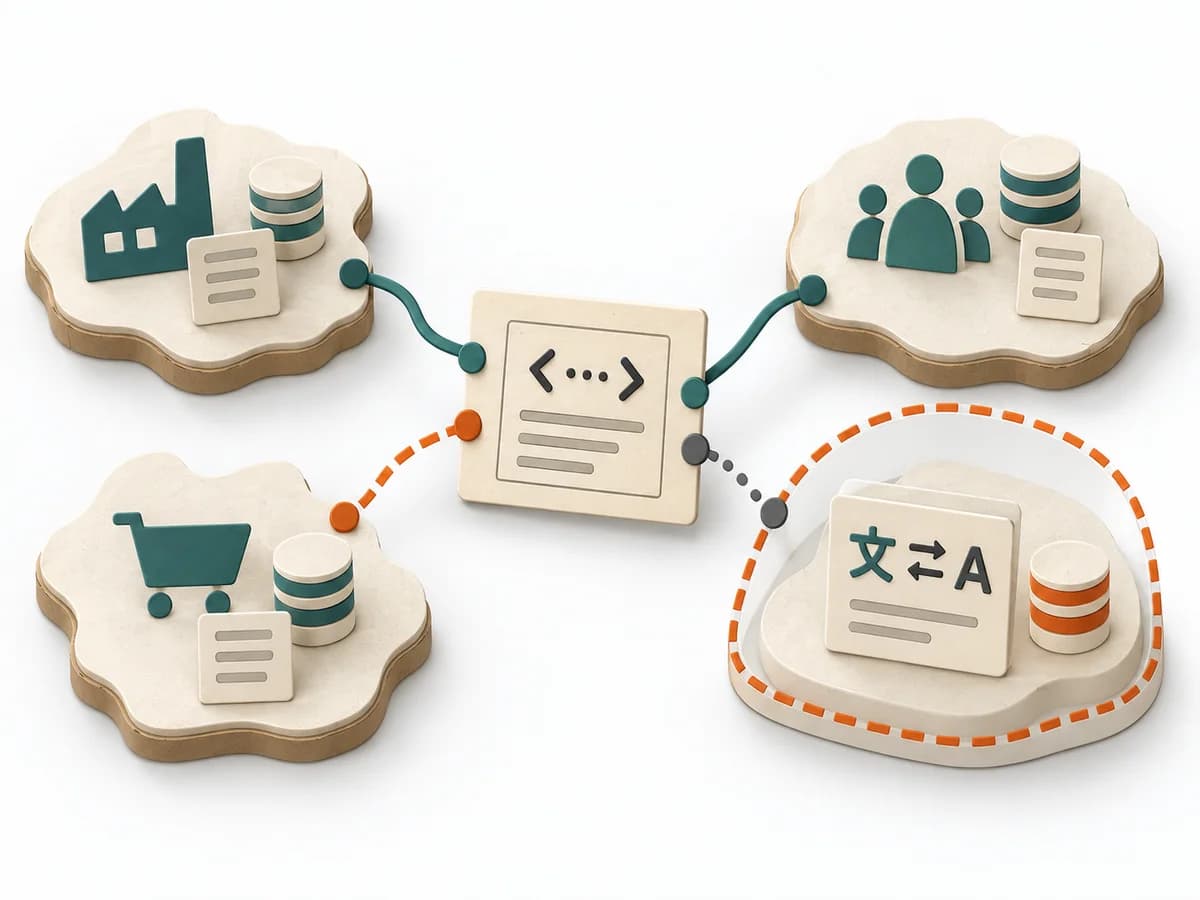 Domain Modeling Context Map |  Facilitation Stakeholder Mapping | 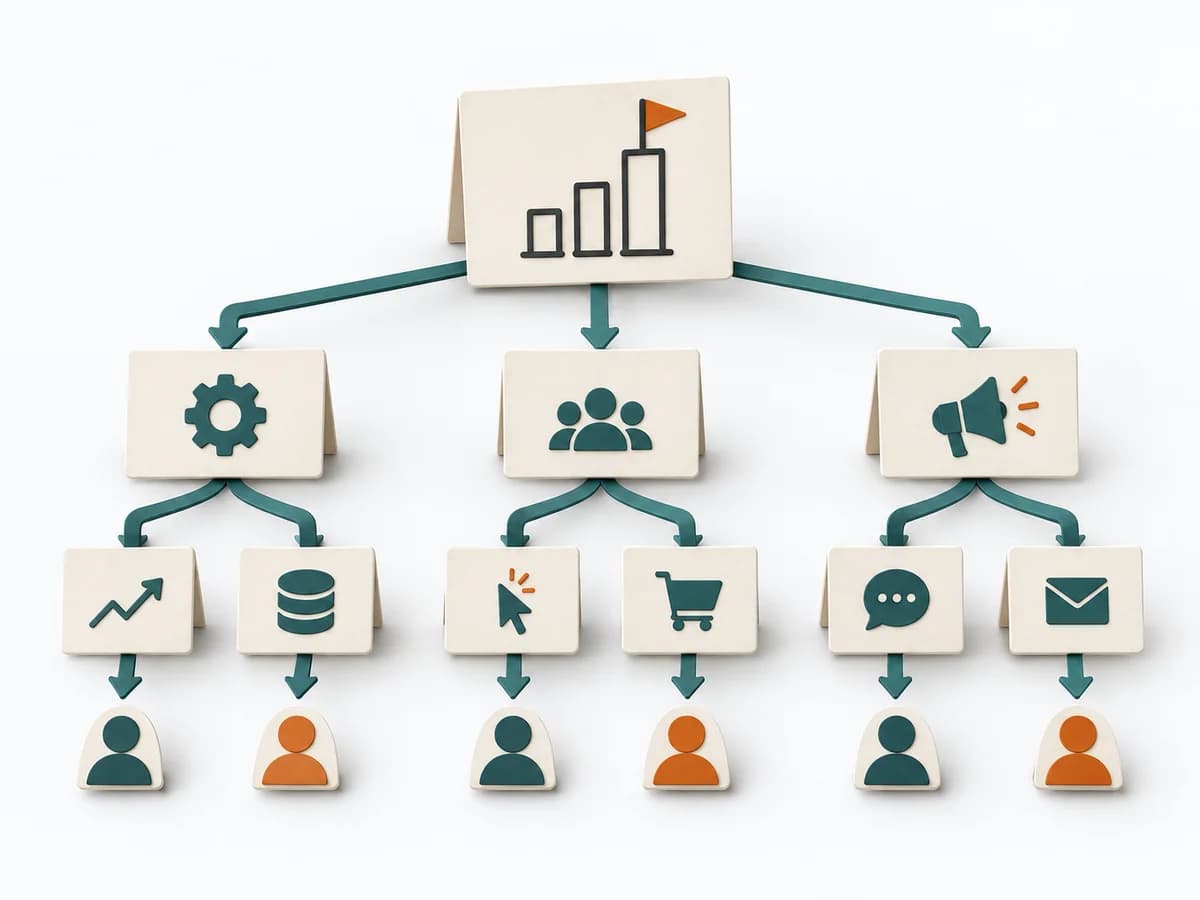 Product Strategy KPI Tree |
|---|---|---|---|---|
Purposedifferent | For a flow that backs up at one point, the method looks for the capacity limit with the greatest leverage. It explains why extra effort elsewhere barely improves throughput. | When several contexts need to talk to each other, it makes their relationships and dependencies legible. It helps sort integration pressure and responsibilities across system boundaries. | When an initiative depends on many people, interests, and power dynamics, Stakeholder Mapping systematically orders the environment. It shows who influences, who is affected, and where relationship management or safeguarding matters first. | When metrics across the organization drift apart, it arranges drivers and effects under one shared logic. It connects customer value, product logic, and decision priorities. The result is captured as a KPI tree and owner list. |
Complexitydifferent | Medium | Medium | Low | Medium |
Timedifferent | 1-3 h | 1-3 h | 60–90 min | 90-180 min initial, dann laufend |
Participantsdifferent | 3-8 | 2-8 | 2-8 | 3-8 |
Formatsame | Workshop + async | Workshop + async | Workshop + async | Workshop + async |
Outputdifferent | Bottleneck Map, Flow Metrics, Improvement Options, Follow-up Measures | Context Map, Integration Patterns, Boundary Notes | Stakeholder Map, Engagement Plan, Risk Notes | KPI Tree, Owner List |
Tagsno overlap | FlowMeasurementConstraints | Domain-Driven DesignBoundariesStrategy | StakeholdersAlignmentFacilitationChange | MetricsStrategyAlignmentMeasurement |