View methods side by side.
Choose up to four methods. Add them using the search and share the comparison by copying its link.
| Criterion | 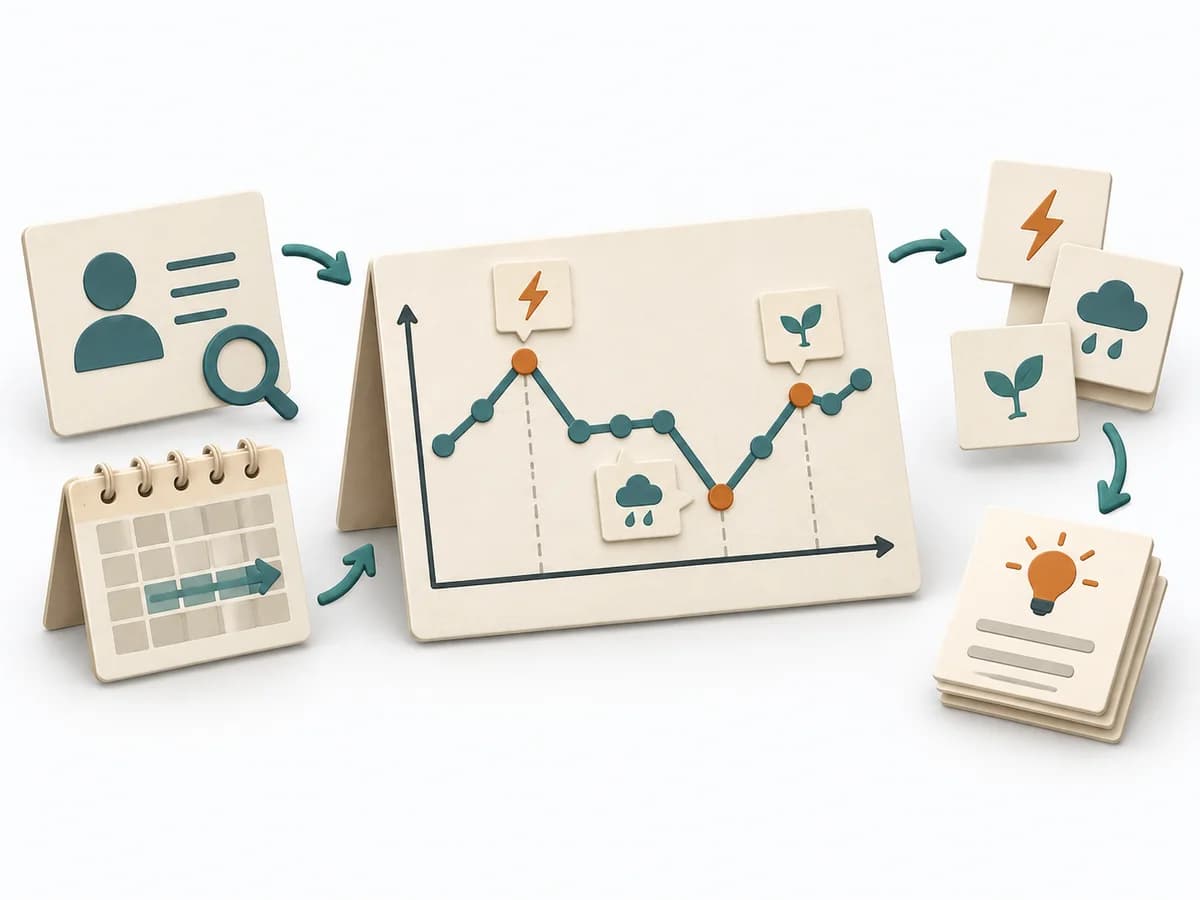 Systems Thinking Behavior Over Time Graph |  Product Discovery Outcome-Driven Innovation |  UX Research Surveys | 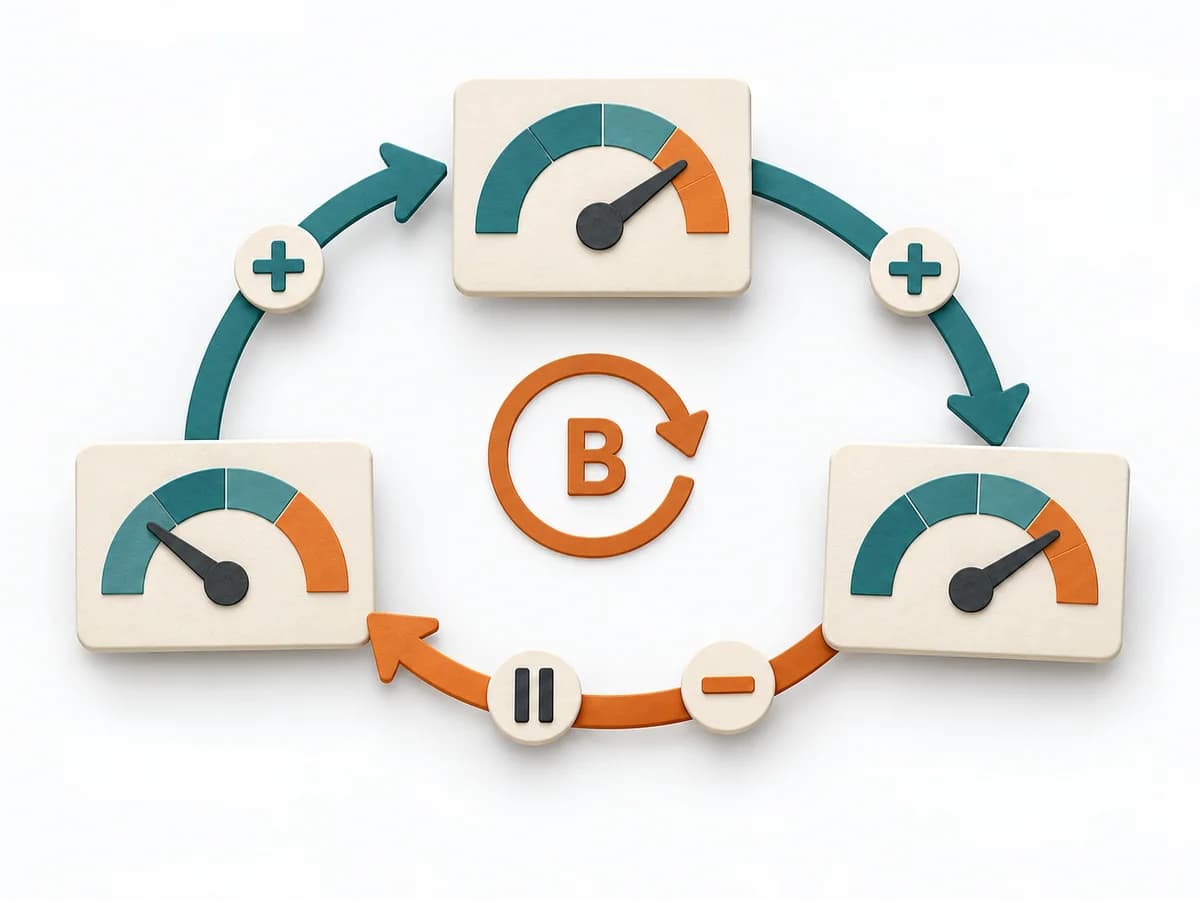 Systems Thinking Causal Loop Diagram |
|---|---|---|---|---|
Purposedifferent | A Behavior Over Time Graph shows how a metric or observation develops over time. The method makes trends, breaks, and recurring patterns visible that get lost in snapshots. | Outcome-Driven Innovation clarifies customer problems, solution opportunities, and evidence. It separates jobs, desired outcomes, importance, satisfaction, and opportunity, and captures results as desired outcome statements, an opportunity landscape, and segments by underserved needs. | When a topic needs to be validated broadly and many people can answer the same question, surveys gather structured feedback in a scalable form. Answers become comparable and segmentable instead of remaining merely anecdotal. | A Causal Loop Diagram makes feedback, reinforcement, and balance in a system legible. It uncovers side effects and self-reinforcement that stay hidden in linear explanations. |
Complexitydifferent | Low | High | Medium | Medium |
Timedifferent | 20-45 min | Mehrere Wochen | 3-14 Tage | 1-3 h |
Participantsdifferent | 1-10 | 2-6 researchers plus sample | 50+ | 2-8 |
Formatdifferent | Workshop + async | Workshop + async | Async | Workshop |
Outputdifferent | Behavior Over Time Graph, Trend Hypotheses, Key Events | Desired outcome statements, Opportunity landscape, Segmentation by underserved needs, Innovation hypotheses | Survey Results, Charts, Segment Insights | Causal Loop Diagram, Feedback Notes, Leverage Points |
Tagsno overlap | Systems thinkingPatternsDynamics | OutcomesInnovationResearchQuantitative | QuantitativeResearchValidation | FeedbackSystems thinkingCausalityDynamics |