View methods side by side.
Choose up to four methods. Add them using the search and share the comparison by copying its link.
Selected:Outcome-Driven InnovationSystem Dynamics SimulationStock and Flow DiagramCausal Loop Diagram
| Criterion |  Product Discovery Outcome-Driven Innovation | 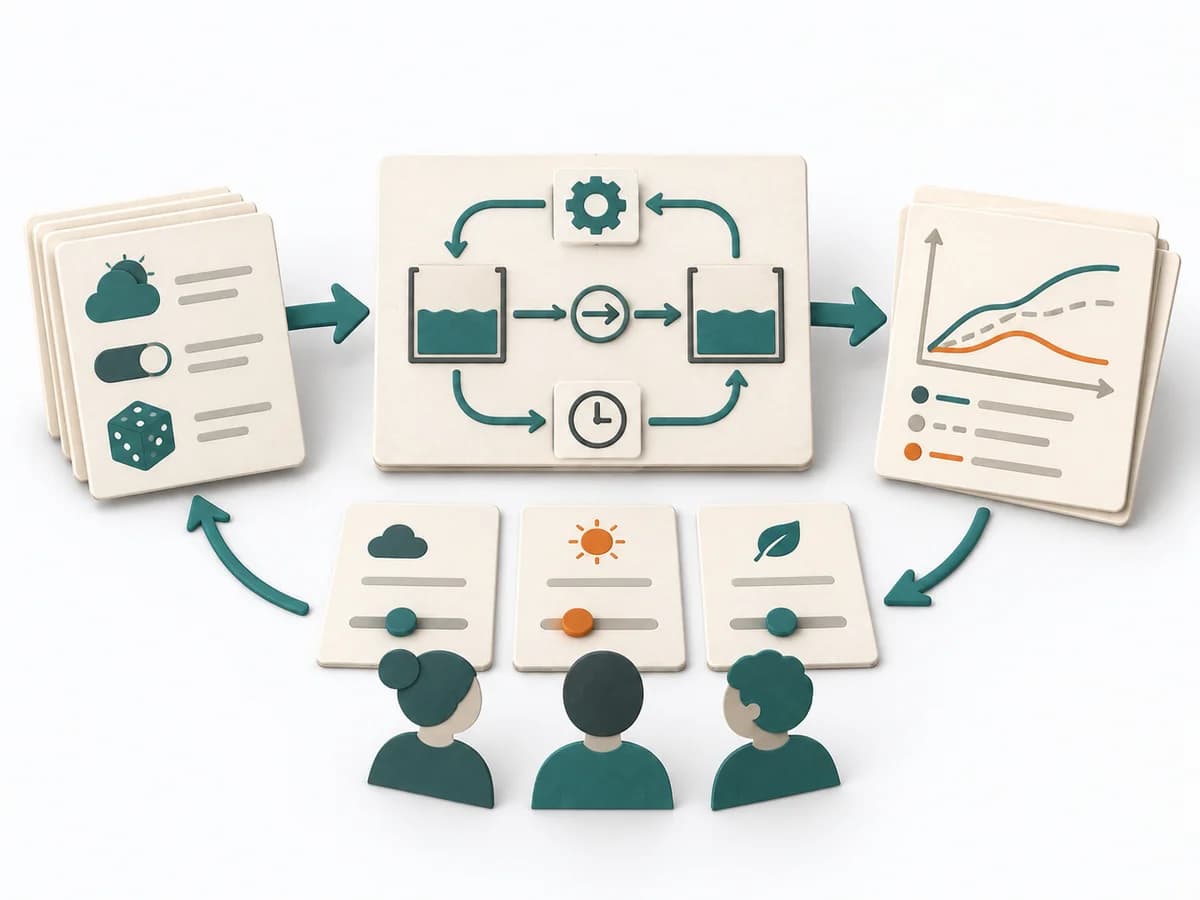 Systems Thinking System Dynamics Simulation | 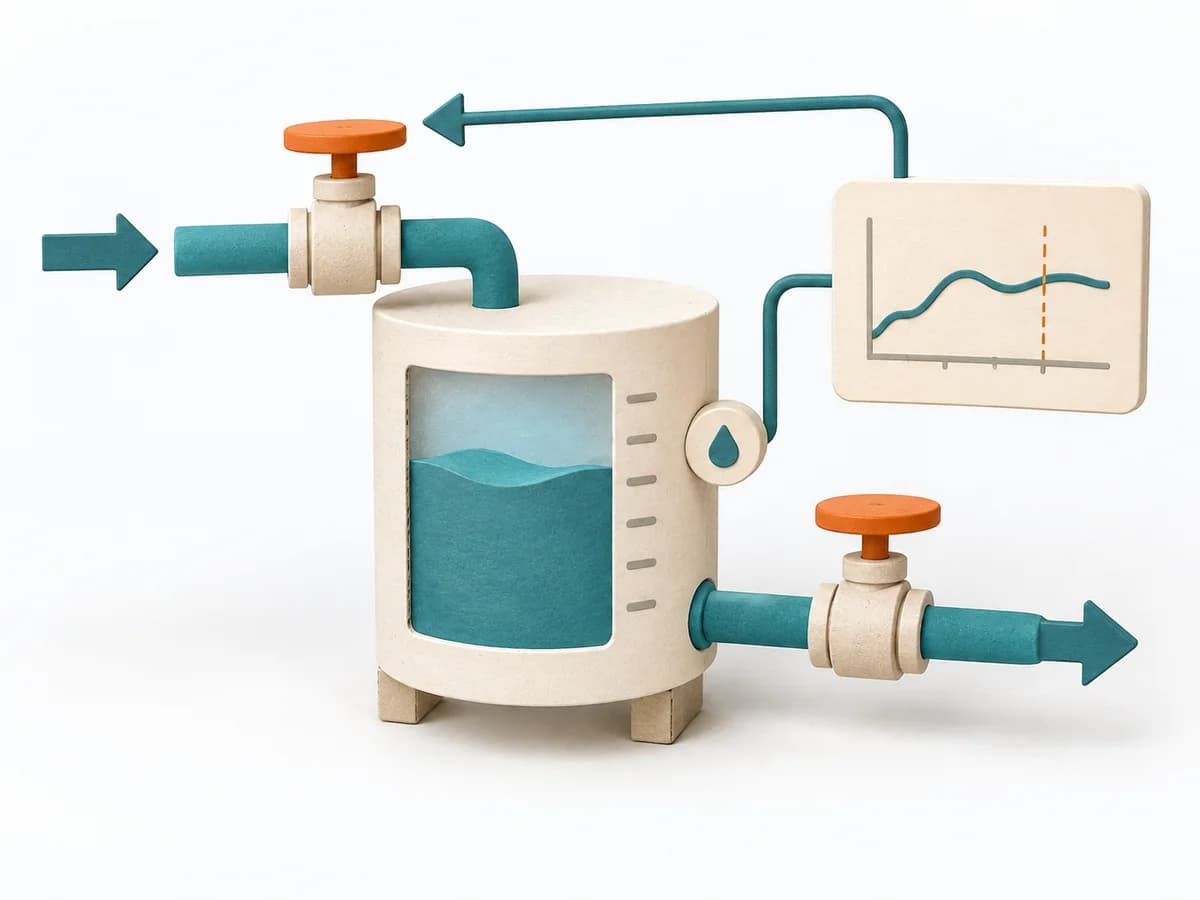 Systems Thinking Stock and Flow Diagram | 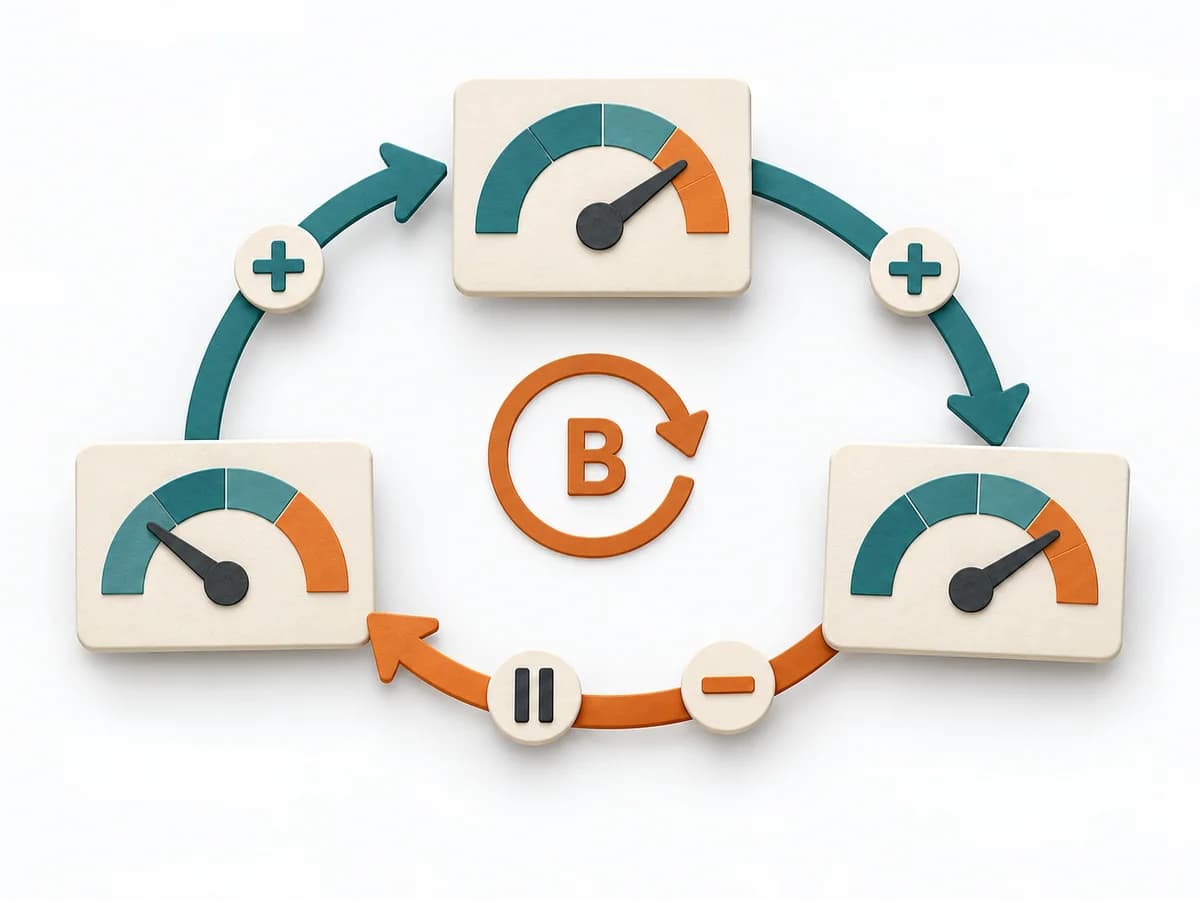 Systems Thinking Causal Loop Diagram |
|---|---|---|---|---|
Purposedifferent | Outcome-Driven Innovation clarifies customer problems, solution opportunities, and evidence. It separates jobs, desired outcomes, importance, satisfaction, and opportunity, and captures results as desired outcome statements, an opportunity landscape, and segments by underserved needs. | System Dynamics Simulation makes assumptions about time, delay, and feedback testable through experiments. It draws relationships, patterns, and feedback loops. The result is captured as a simulation model and scenario reports. | A Stock and Flow Diagram shows how stocks, inflows, and outflows shape a system over time. It is especially suited when growth, delays, or capacity limits determine the dynamics. | A Causal Loop Diagram makes feedback, reinforcement, and balance in a system legible. It uncovers side effects and self-reinforcement that stay hidden in linear explanations. |
Complexitydifferent | High | High | High | Medium |
Timedifferent | Mehrere Wochen | Mehrere Tage bis Wochen | 2-6 h | 1-3 h |
Participantsdifferent | 2-6 researchers plus sample | 1-5 Modellierende, Stakeholder asynchron | 1-6 | 2-8 |
Formatdifferent | Workshop + async | Async | Workshop + async | Workshop |
Outputdifferent | Desired outcome statements, Opportunity landscape, Segmentation by underserved needs, Innovation hypotheses | Simulation Model, Scenario Reports | Stock and Flow Model, Dynamics Notes, Simulation Hypotheses | Causal Loop Diagram, Feedback Notes, Leverage Points |
Tagsno overlap | OutcomesInnovationResearchQuantitative | Systems thinkingDynamicsSimulationAnalysis | DynamicsSimulationFeedbackSystems thinking | FeedbackSystems thinkingCausalityDynamics |